RATNAGIRI RATNAVALI - Exploring Marine Biodiversity, Sustainable Living & Cultural Heritage
Four-Day Field Immersion Course | Ratnagiri, Maharashtra | 2–5 November 2026 Under the Nature Basket experiential learning initiative.
Introduction
ABOUT THE PROGRAMME
Ratnagiri Ratnavali: Exploring Marine Biodiversity, Sustainable Living & Cultural Heritage was a four-day experiential learning programme focused on the ecological, cultural and historical landscapes of the Konkan region of Maharashtra.
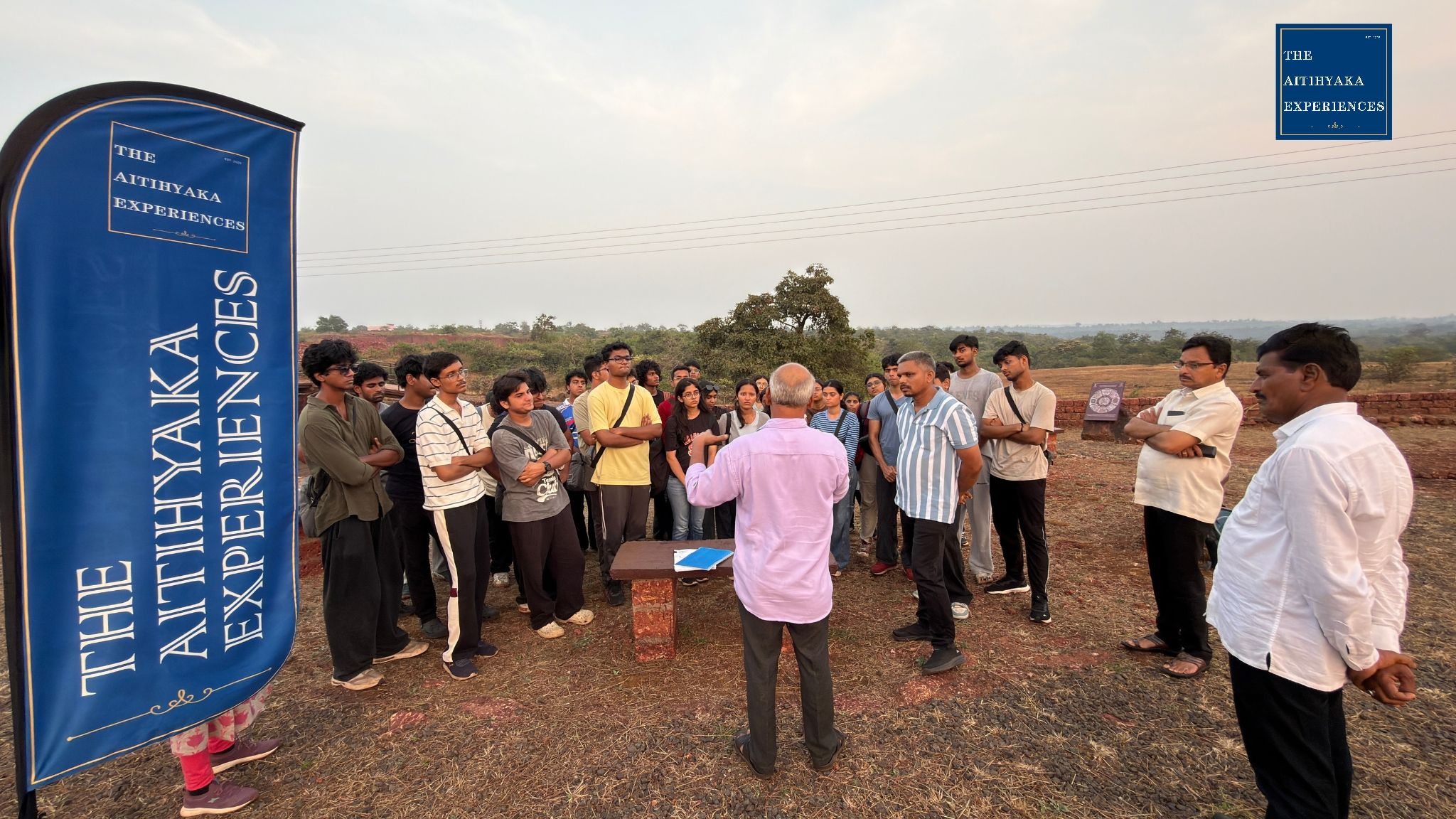
Located along the Arabian Sea, Ratnagiri is characterised by a varied coastal environment comprising lateritic plateaus, forested hills, river systems, estuaries and rocky shores. These landscapes support diverse terrestrial and marine ecosystems and shape the region's agricultural, fishing and other resource-based livelihoods.
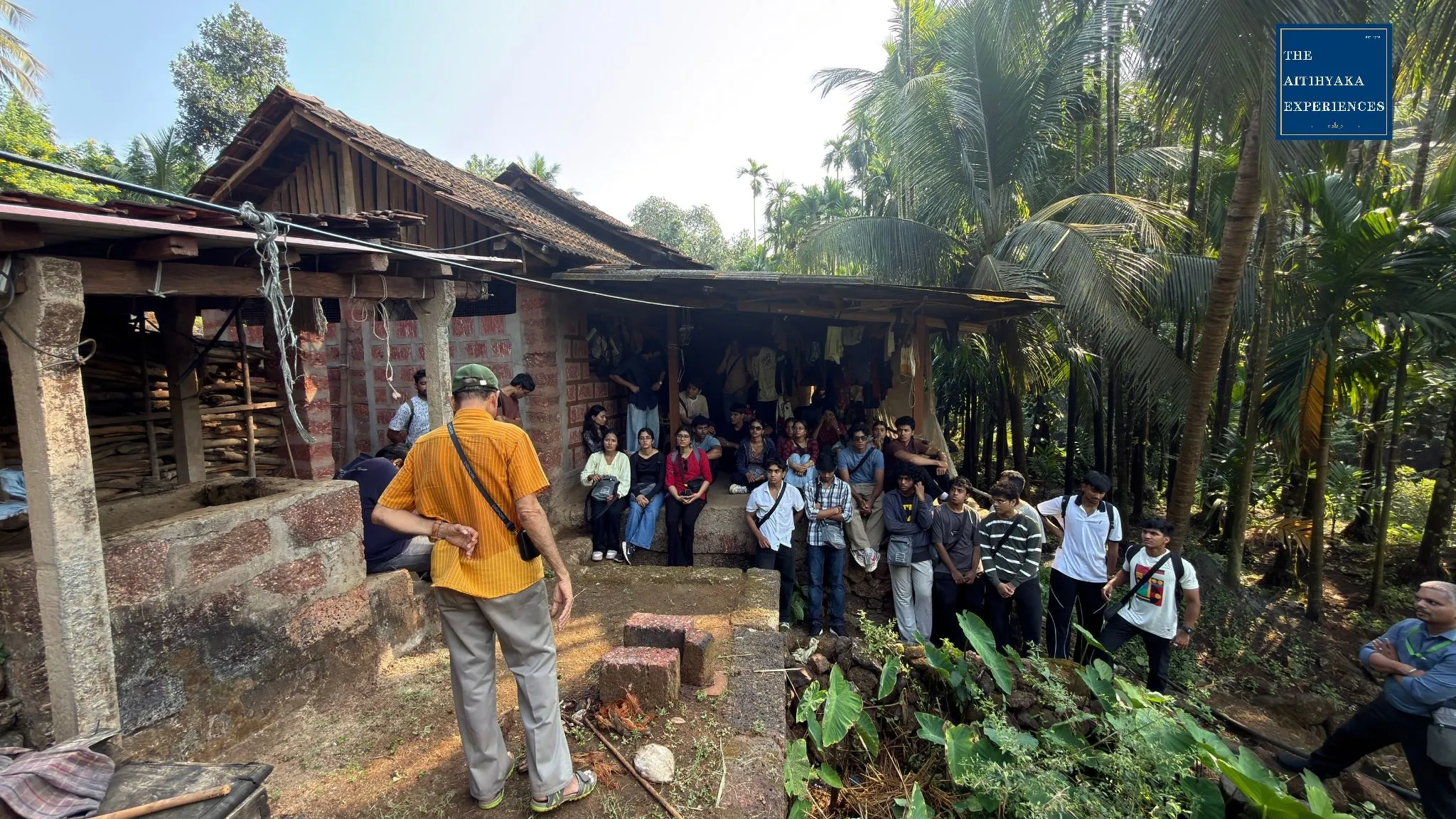
The region's cultural landscape reflects generations of adaptation to these environmental conditions. Traditional water-management practices, vernacular architecture and the use of locally available materials demonstrate the relationship between communities and their surroundings. Practices such as palm-leaf weaving and pottery-making also offer insights into traditional craftsmanship, material knowledge and rural livelihoods.
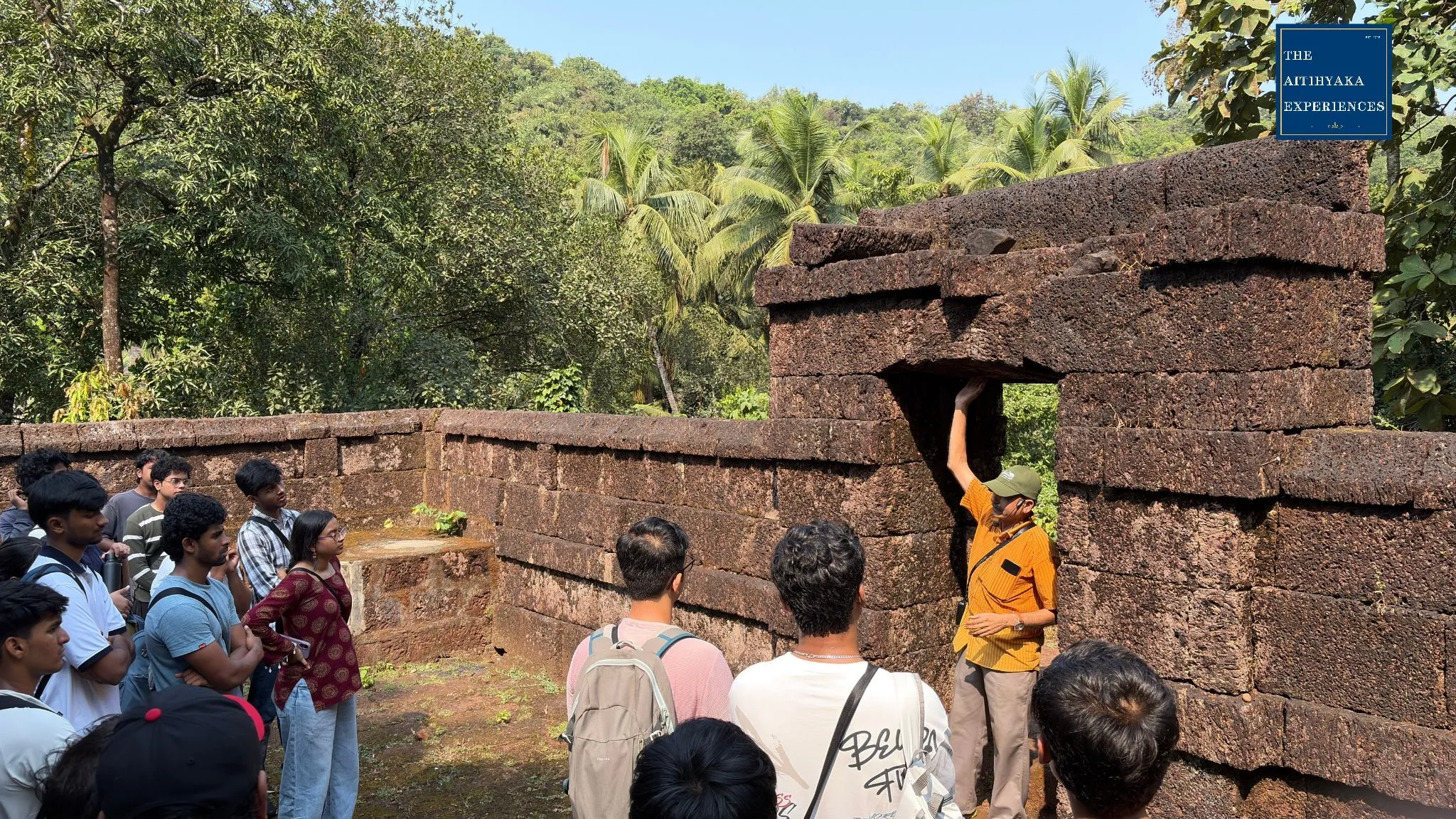
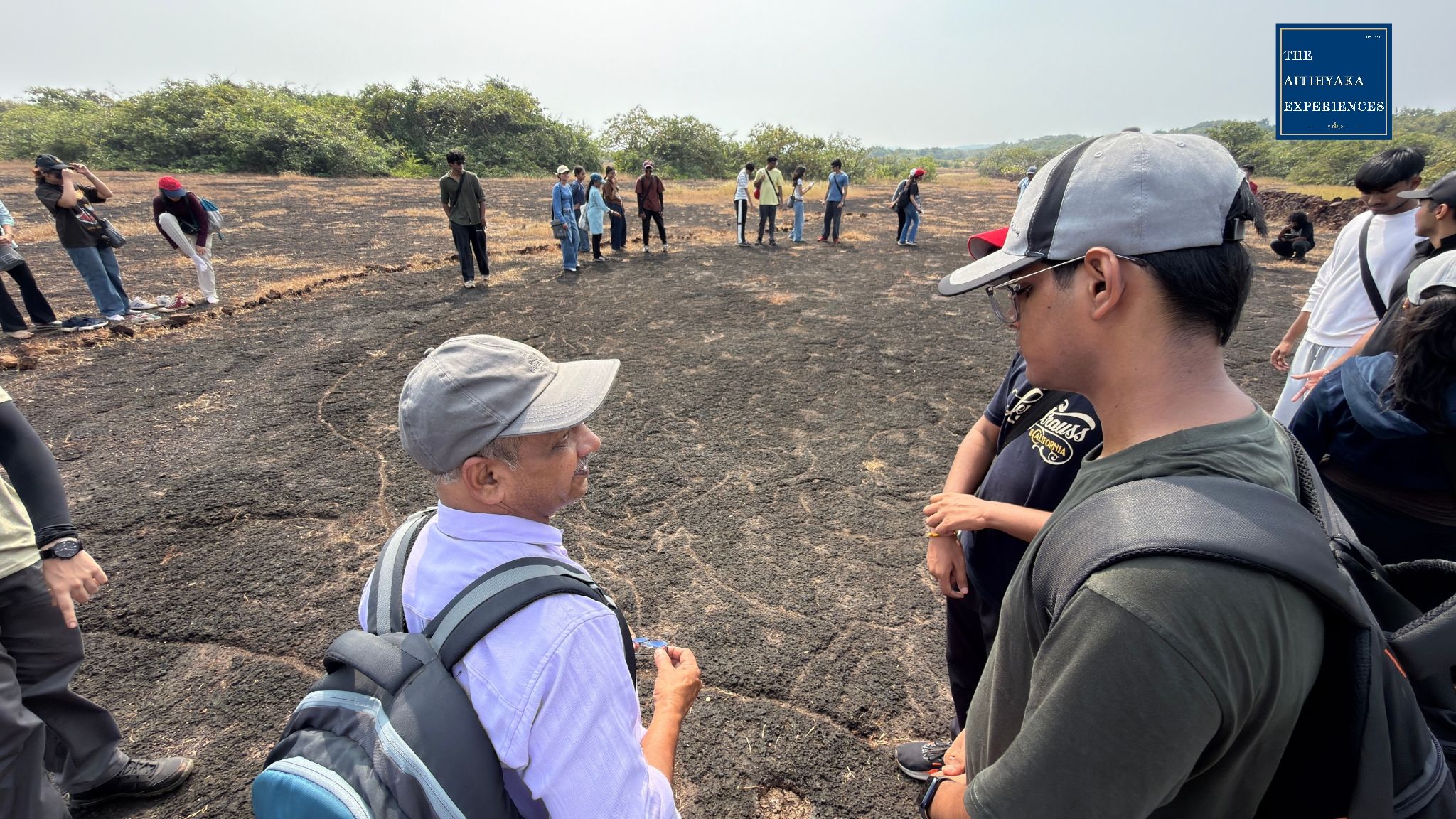
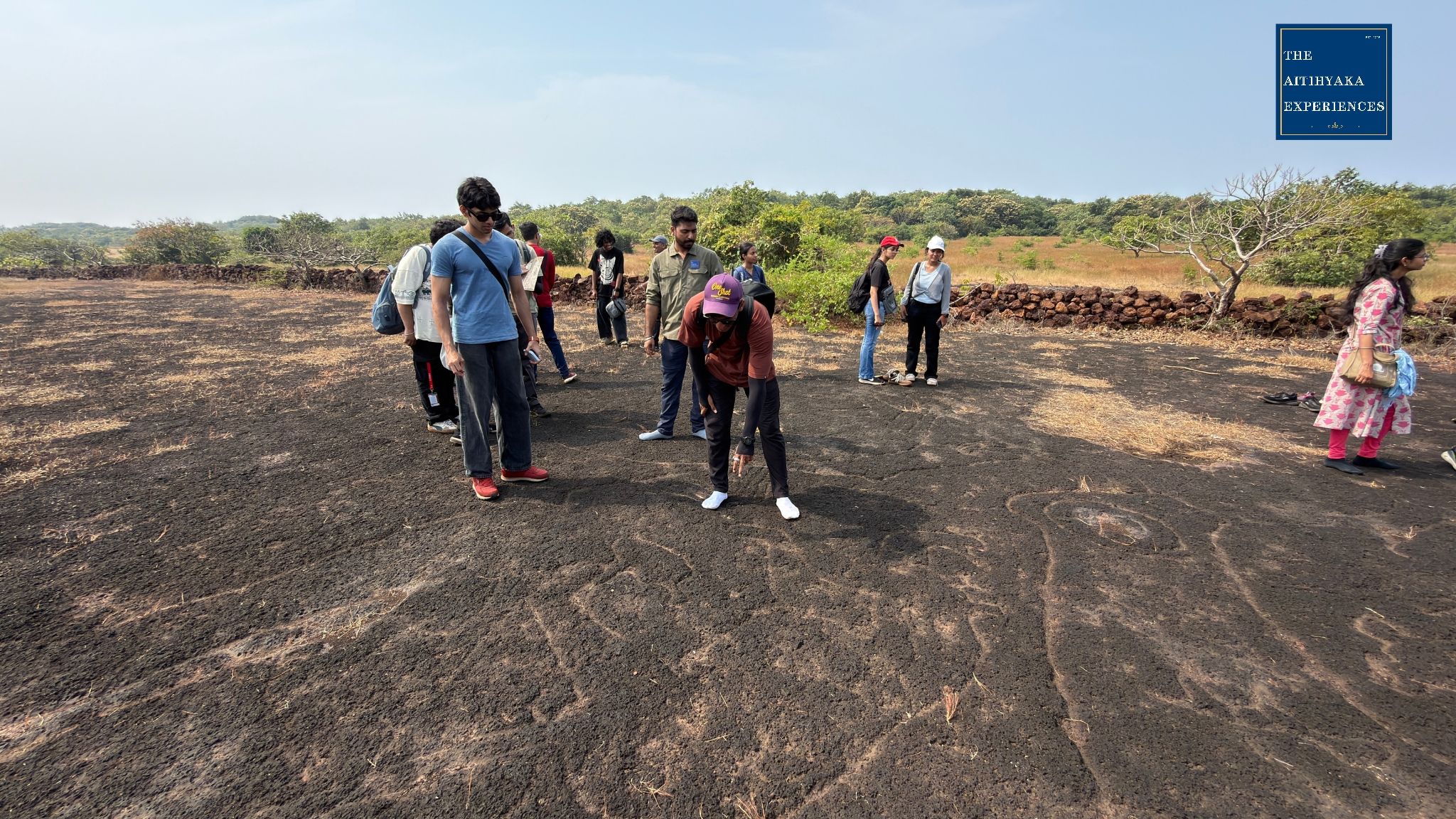
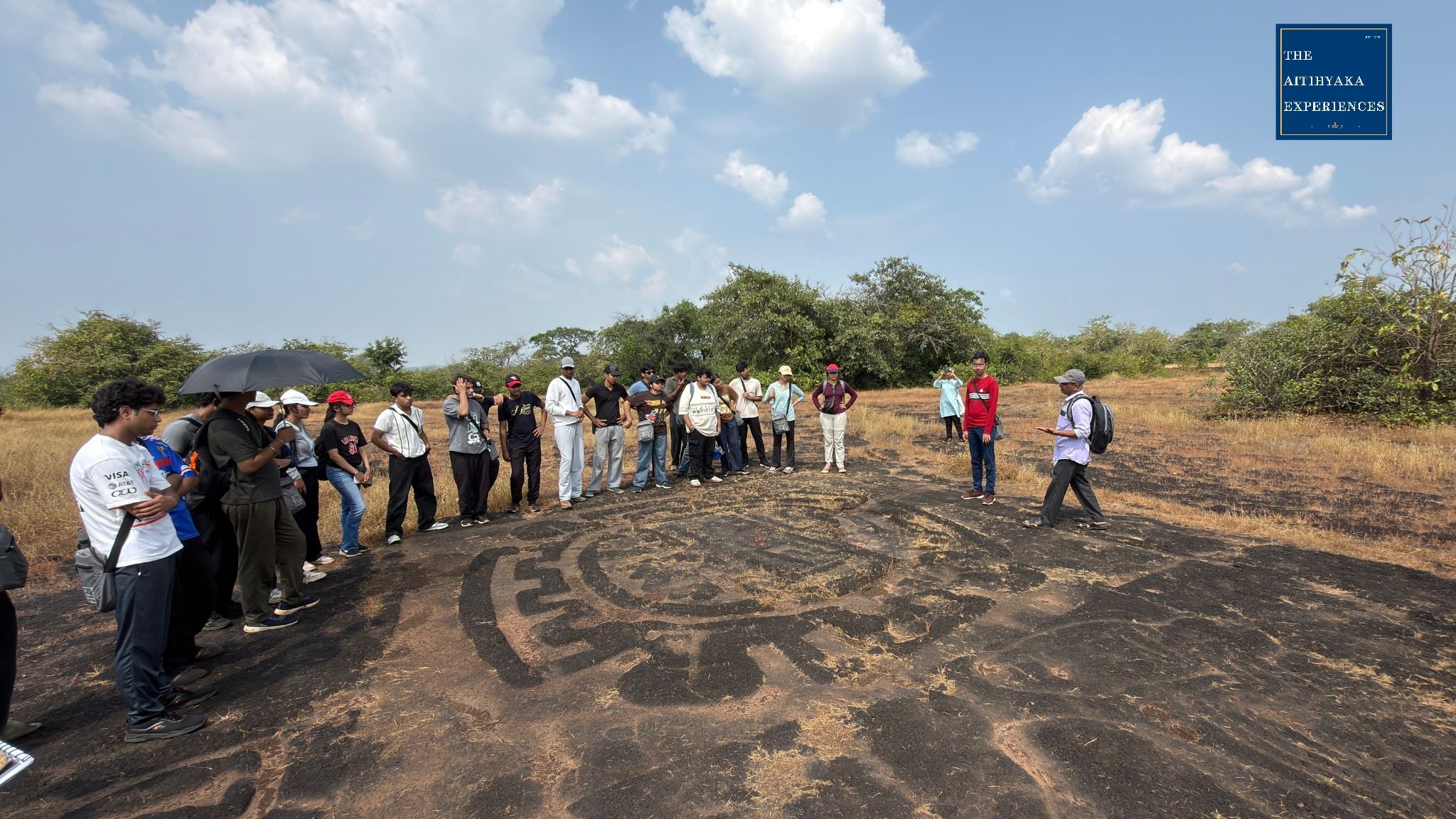
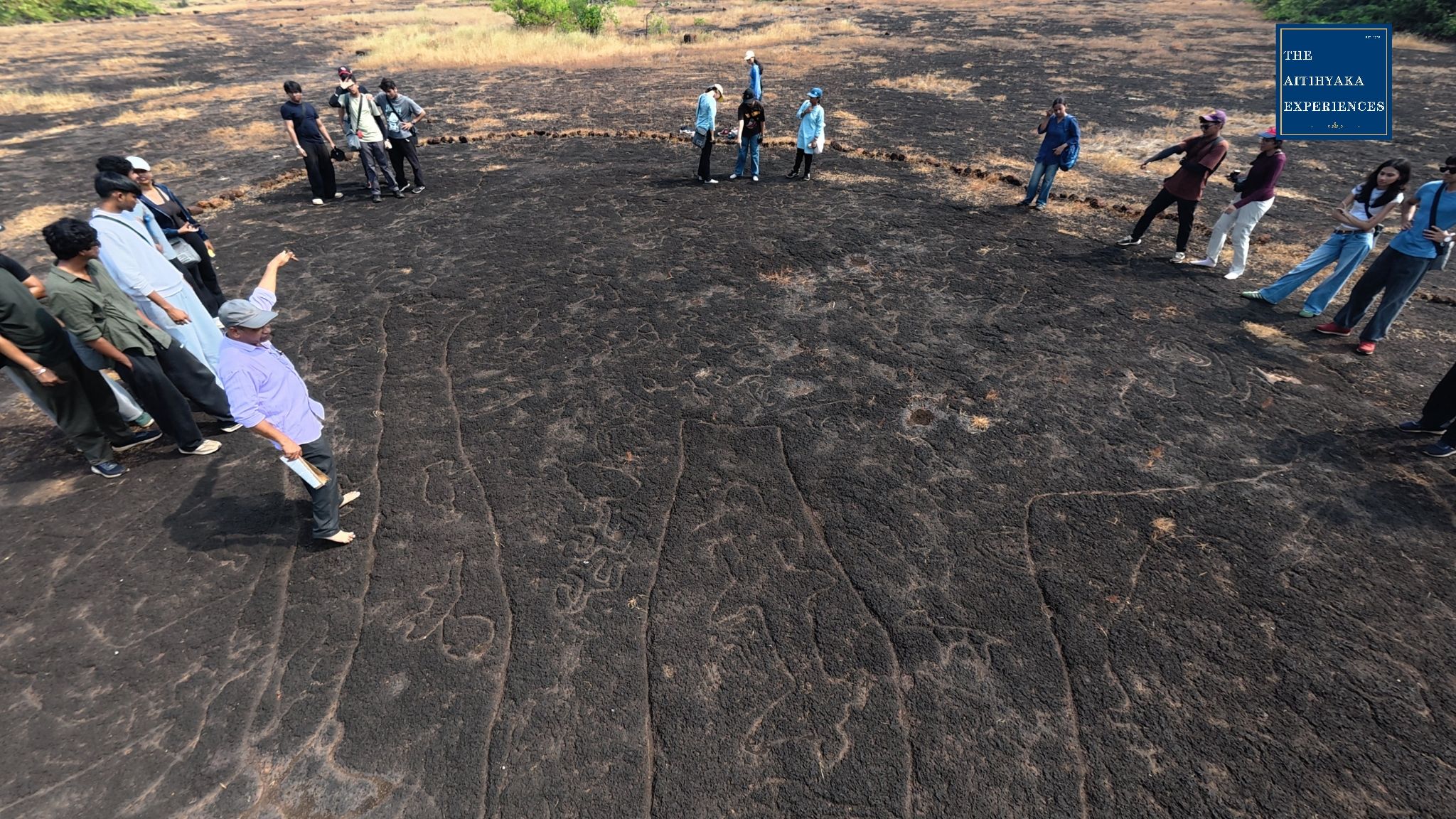
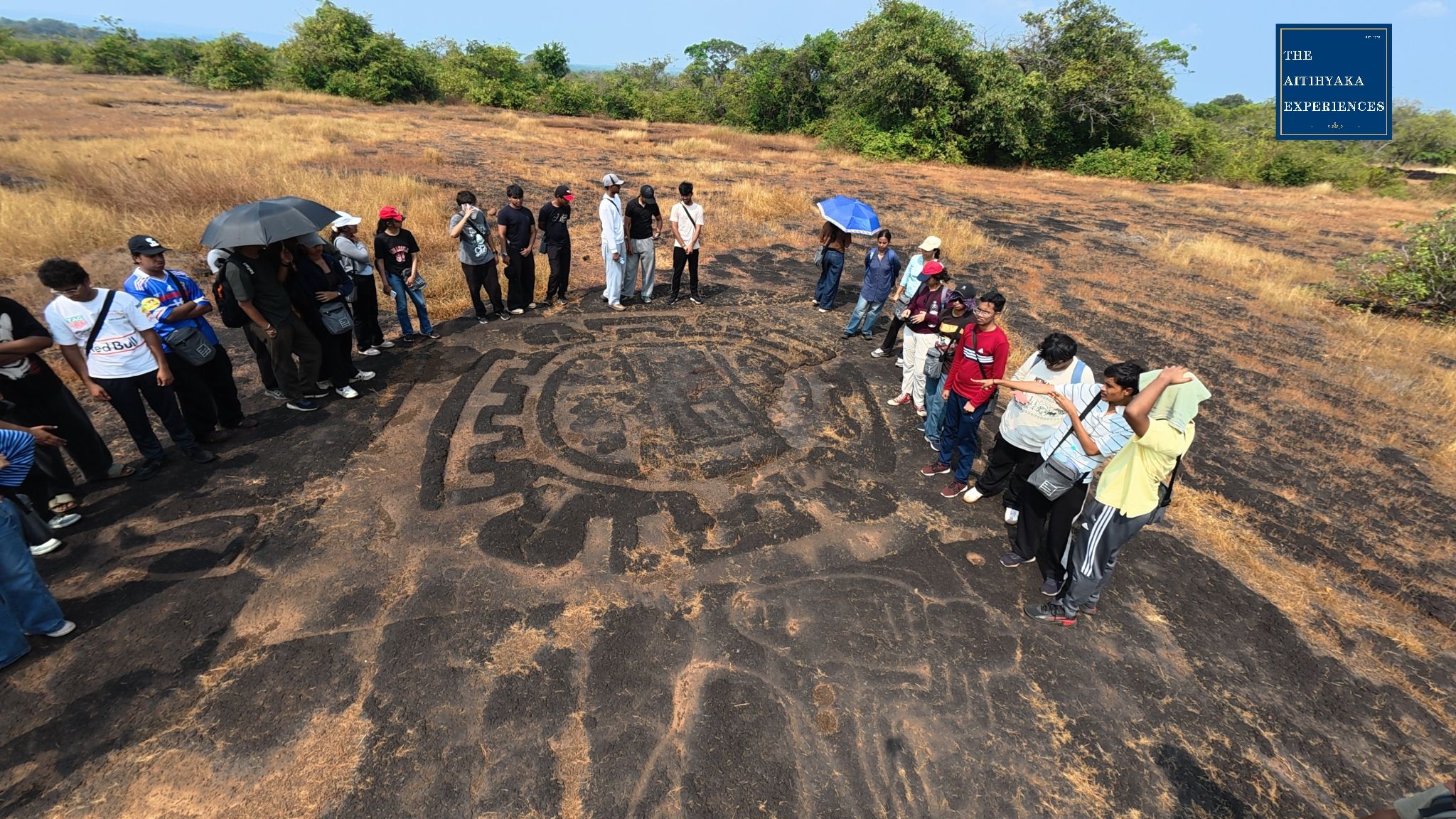
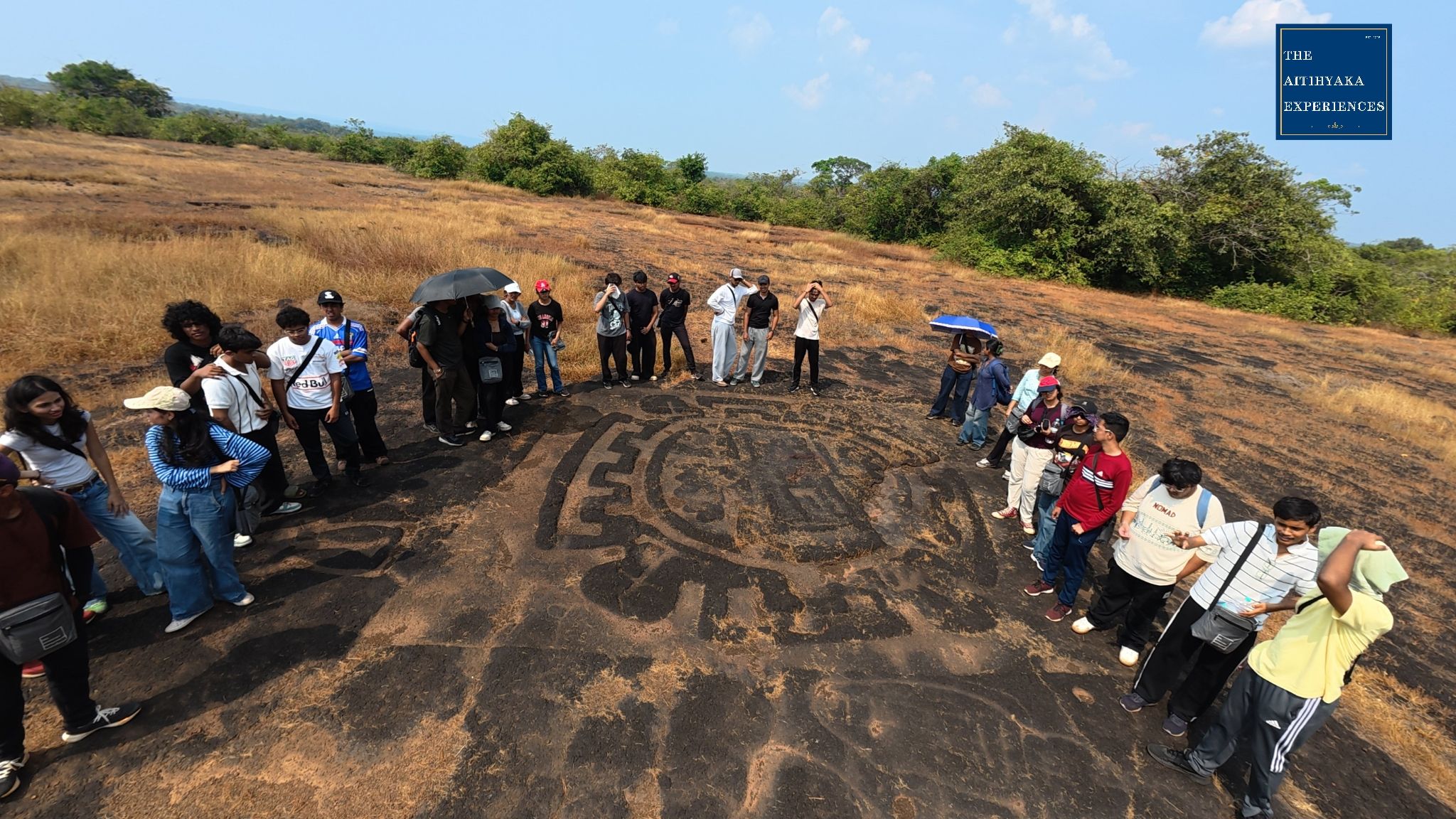
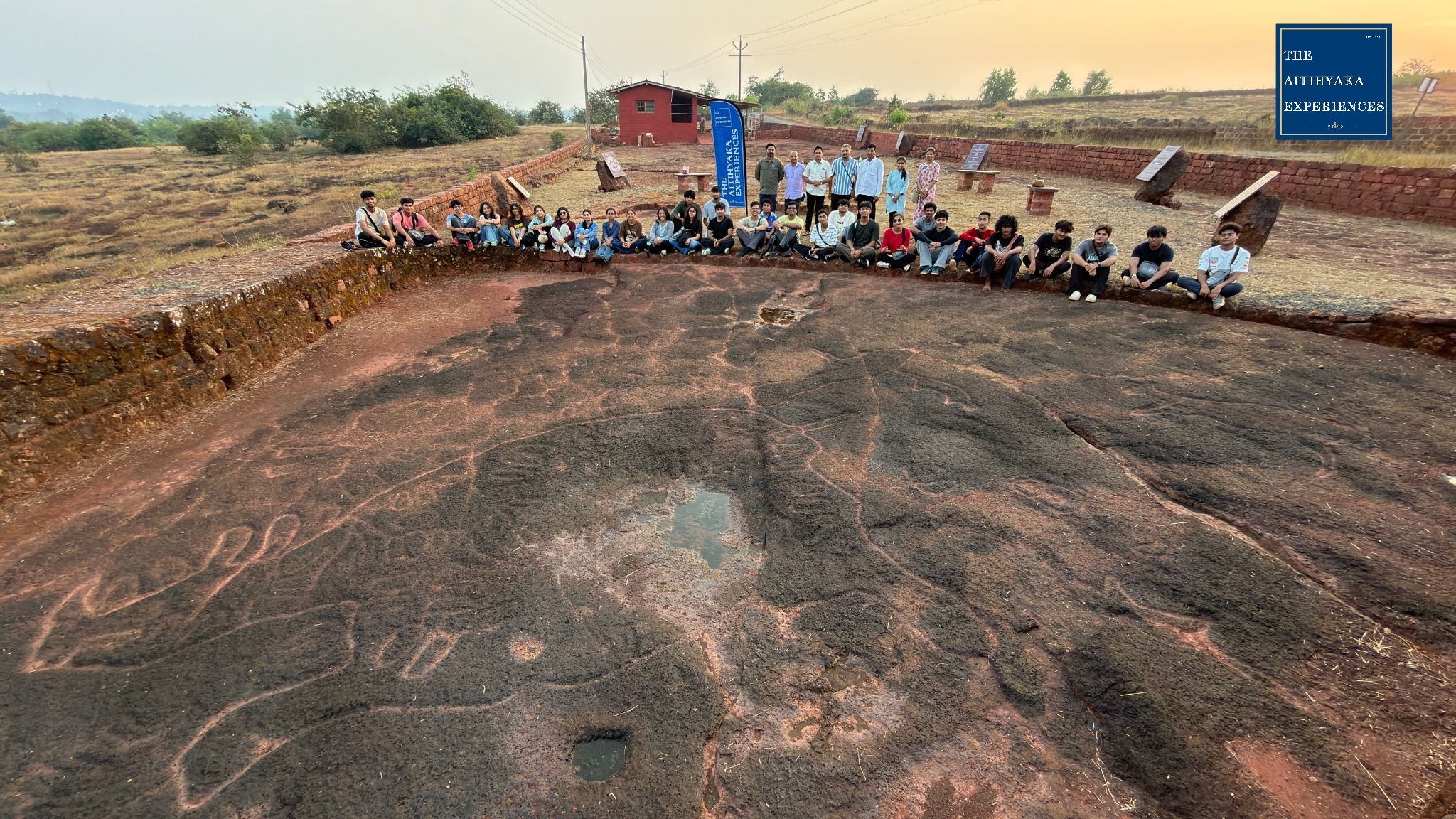
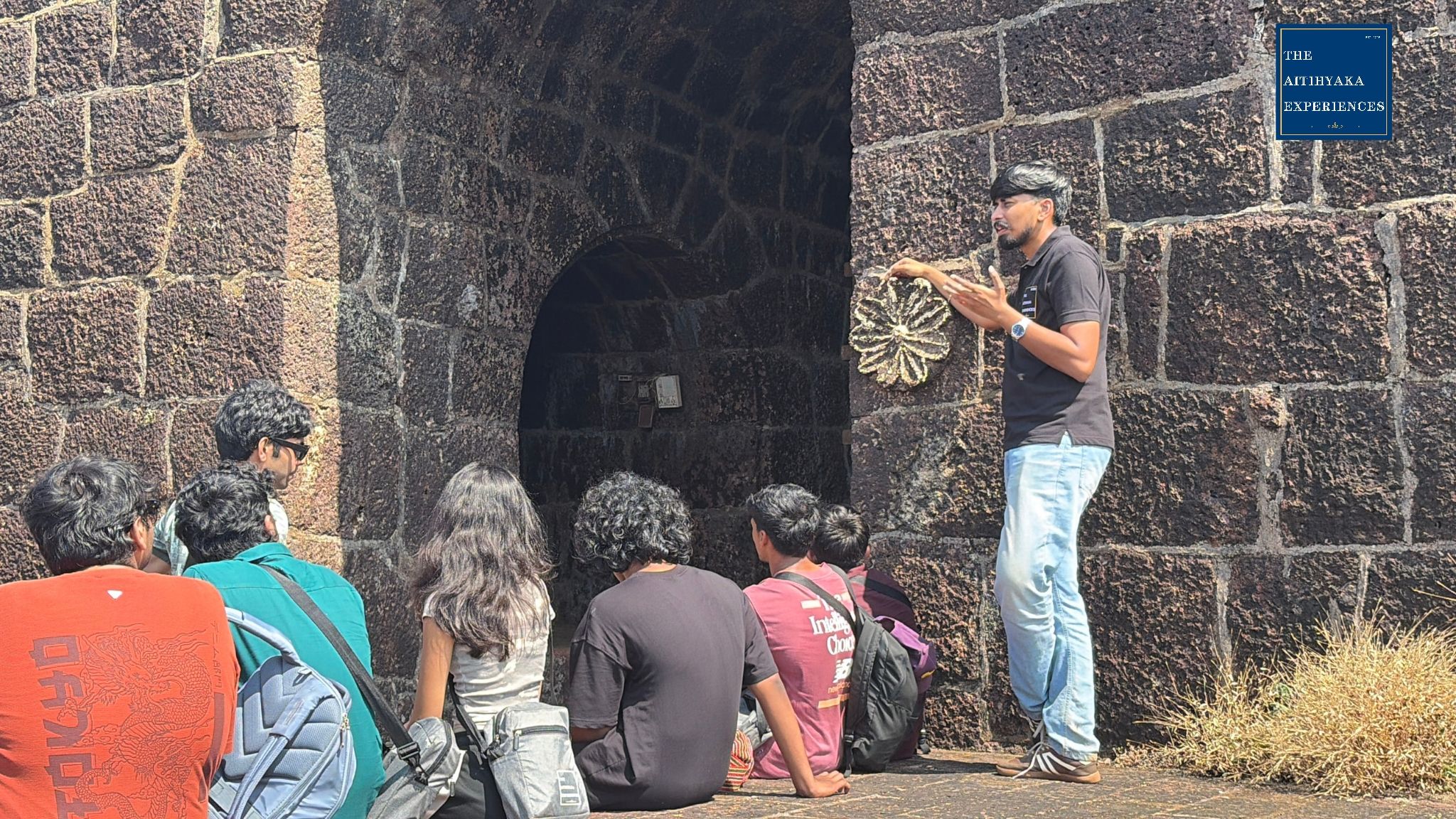
Ratnagiri's archaeological and maritime heritage provides further perspectives on its historical development. Prehistoric rock engravings depicting human figures, animals and geometric forms offer opportunities to study early human expression and interactions with the natural environment. Historic coastal fortifications reflect the strategic significance of the Konkan coastline, while historical coins and inscriptions provide material evidence of dynastic identities, political authority and economic activity.
Through guided field visits, practical demonstrations, material exploration and interactive activities, the programme introduced participants to marine biodiversity, agro-ecology, traditional knowledge, archaeology, coastal architecture and numismatics.
By engaging directly with natural environments, traditional practices and historical material, students developed a contextual understanding of the ways in which ecological conditions, human activity and cultural heritage have shaped the Konkan landscape.
The Work
Programme Overview
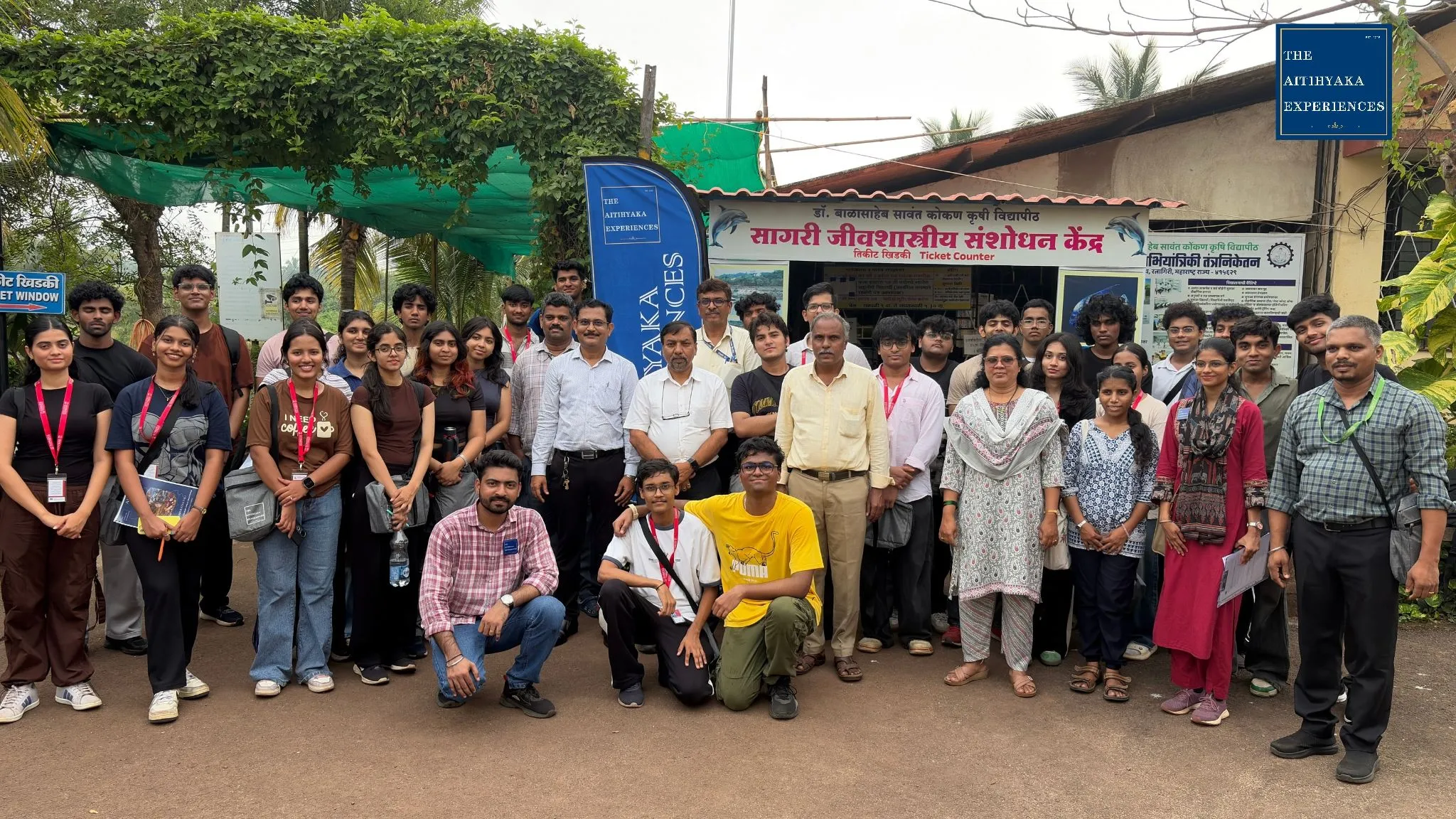
Ratnagiri Ratnavali was a four-day field-based experiential learning programme conducted in Ratnagiri district, Maharashtra. The programme explored the region’s marine biodiversity, traditional knowledge systems, prehistoric rock art, coastal heritage and local livelihoods. Through site visits, guided observations and hands-on activities, students engaged with the ecological and cultural landscapes of the Konkan region.
Marine Biodiversity, Museum Learning and Agro-Ecology
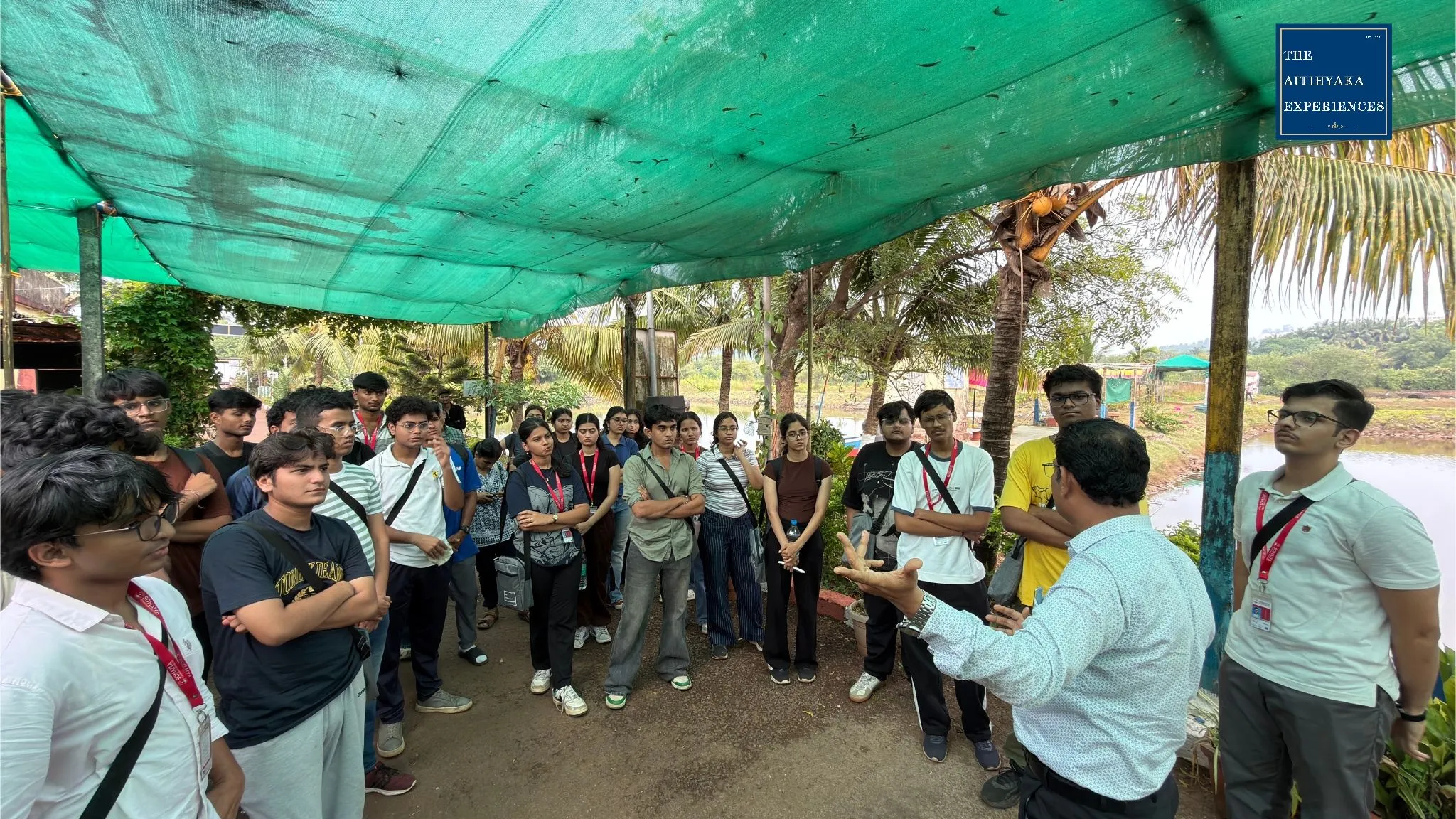
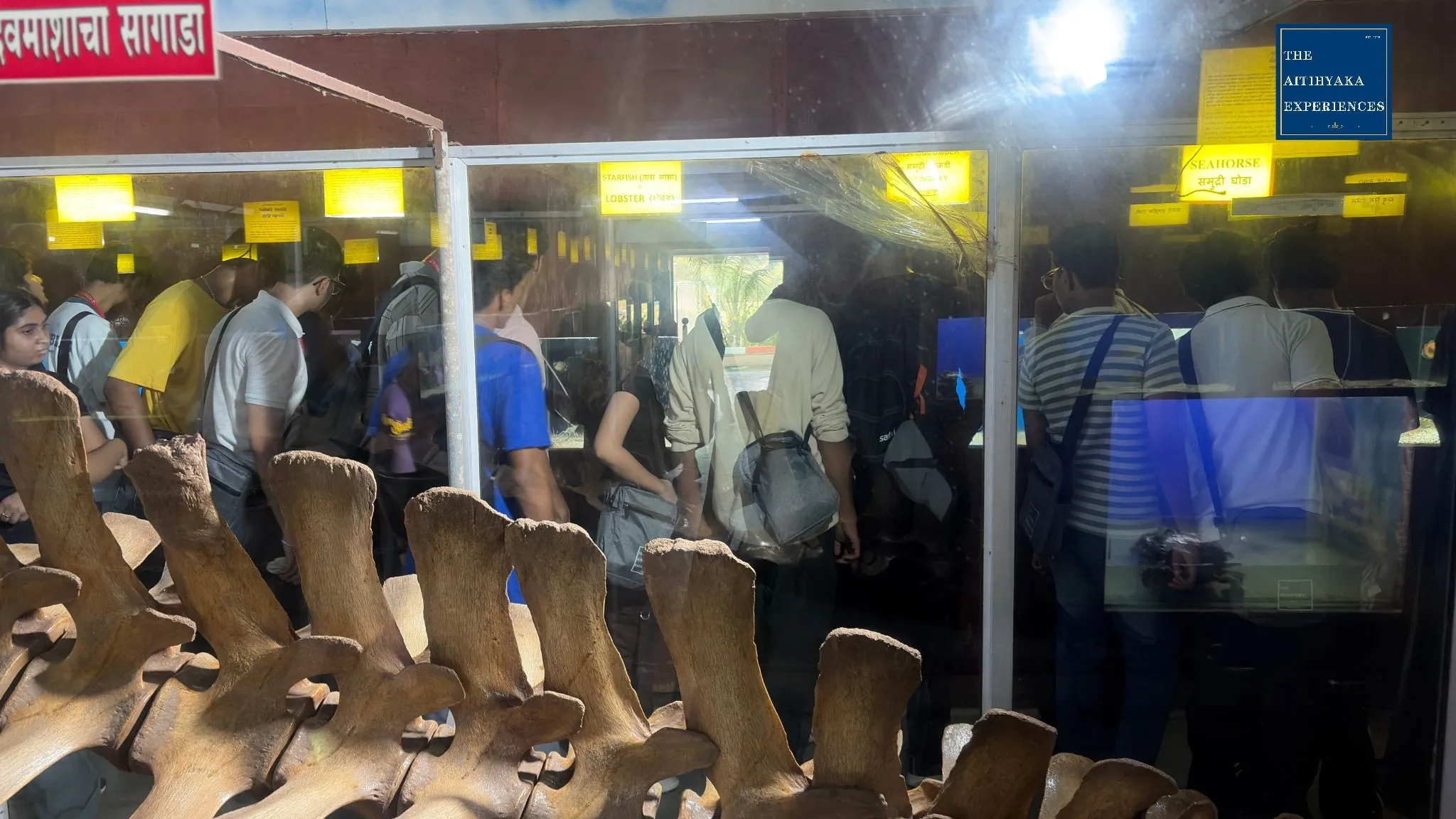
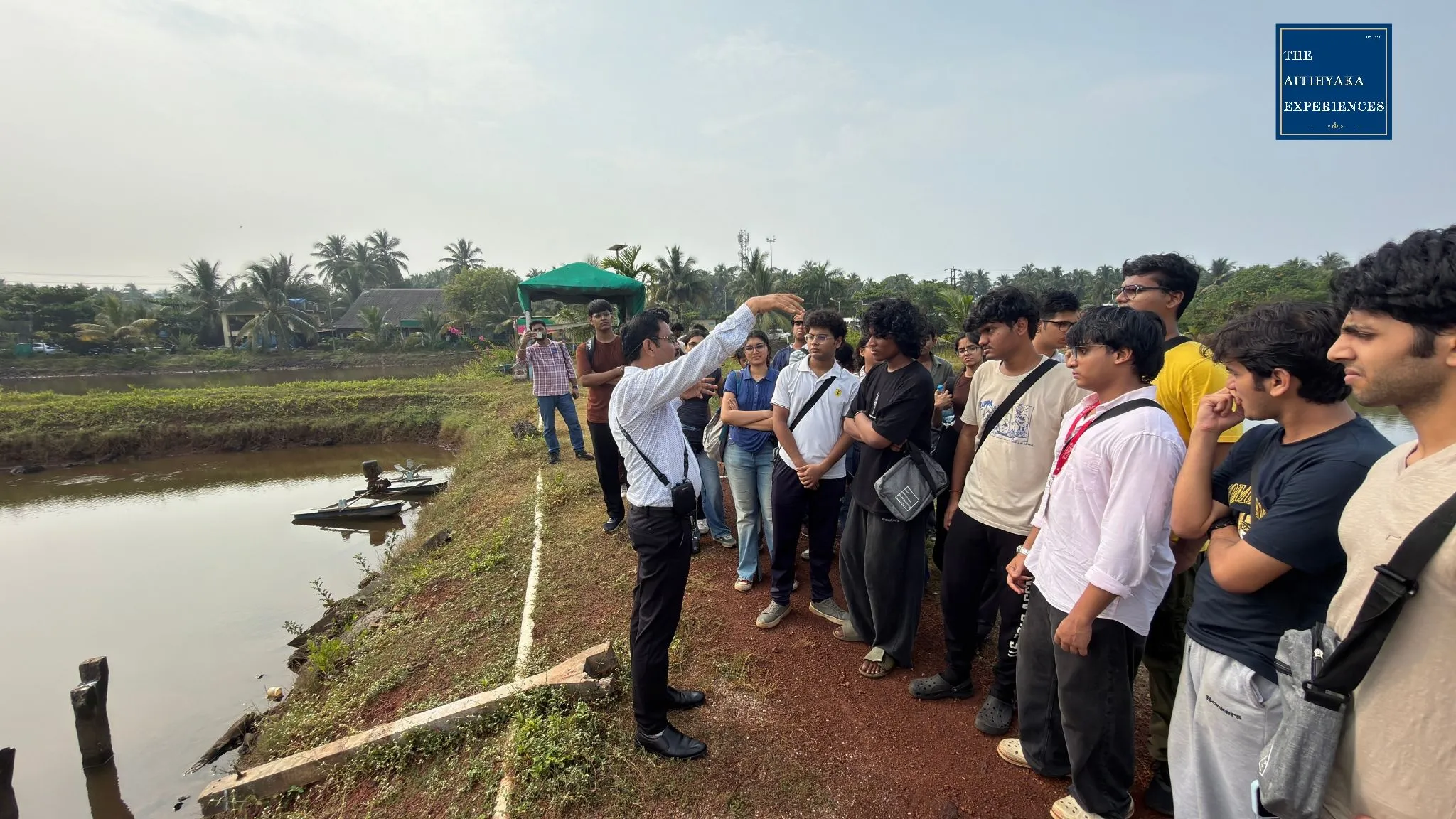
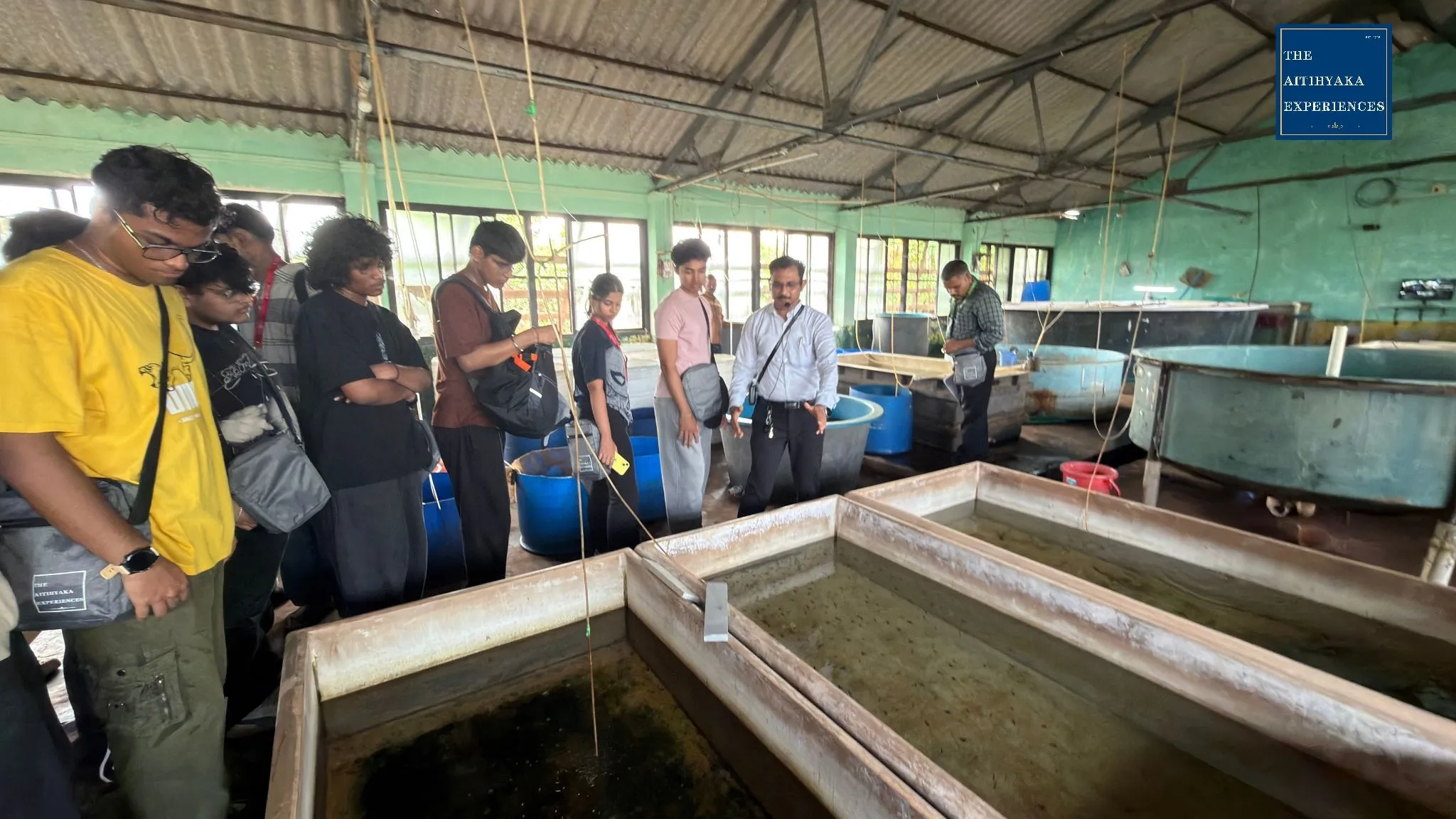
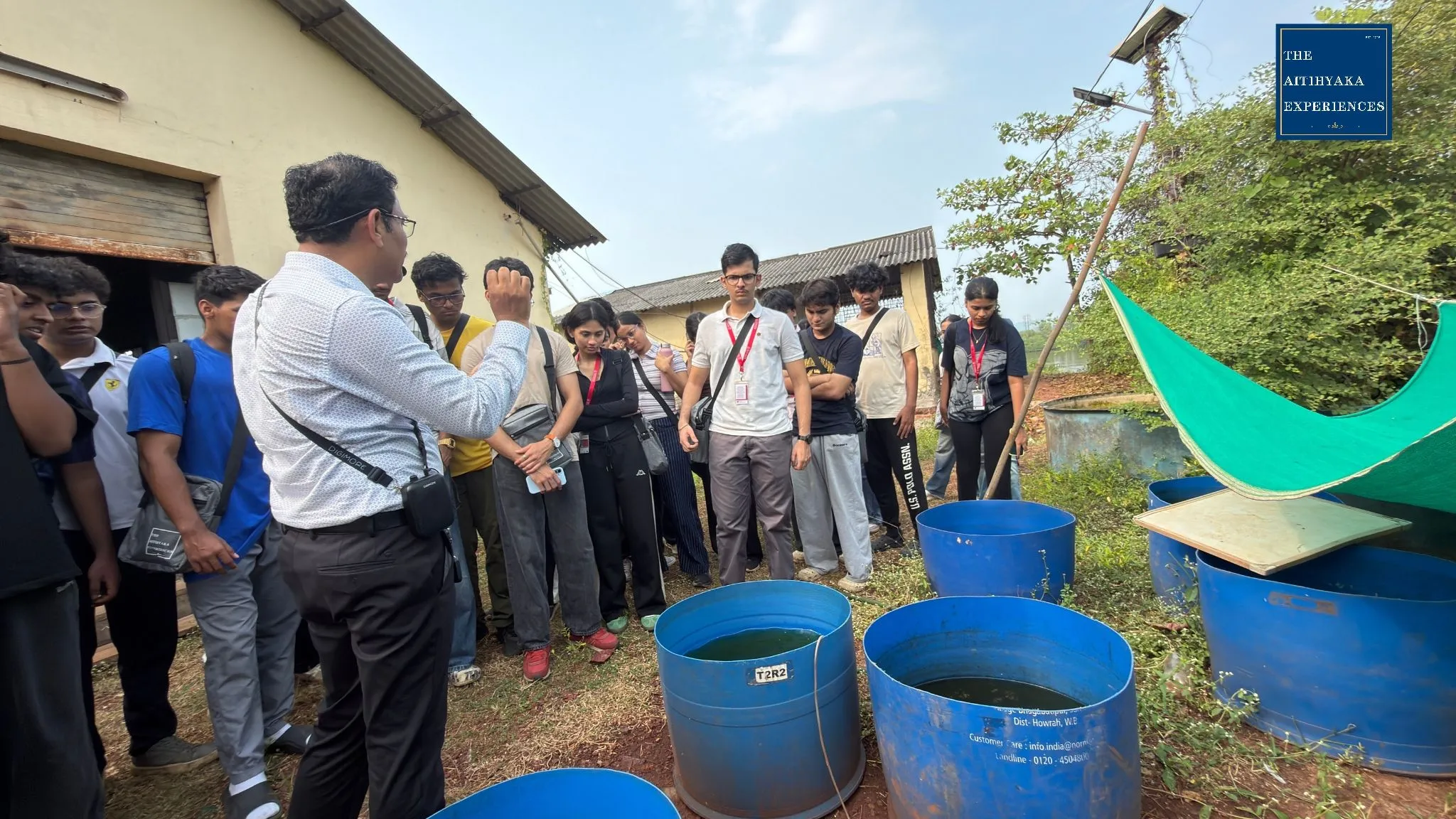
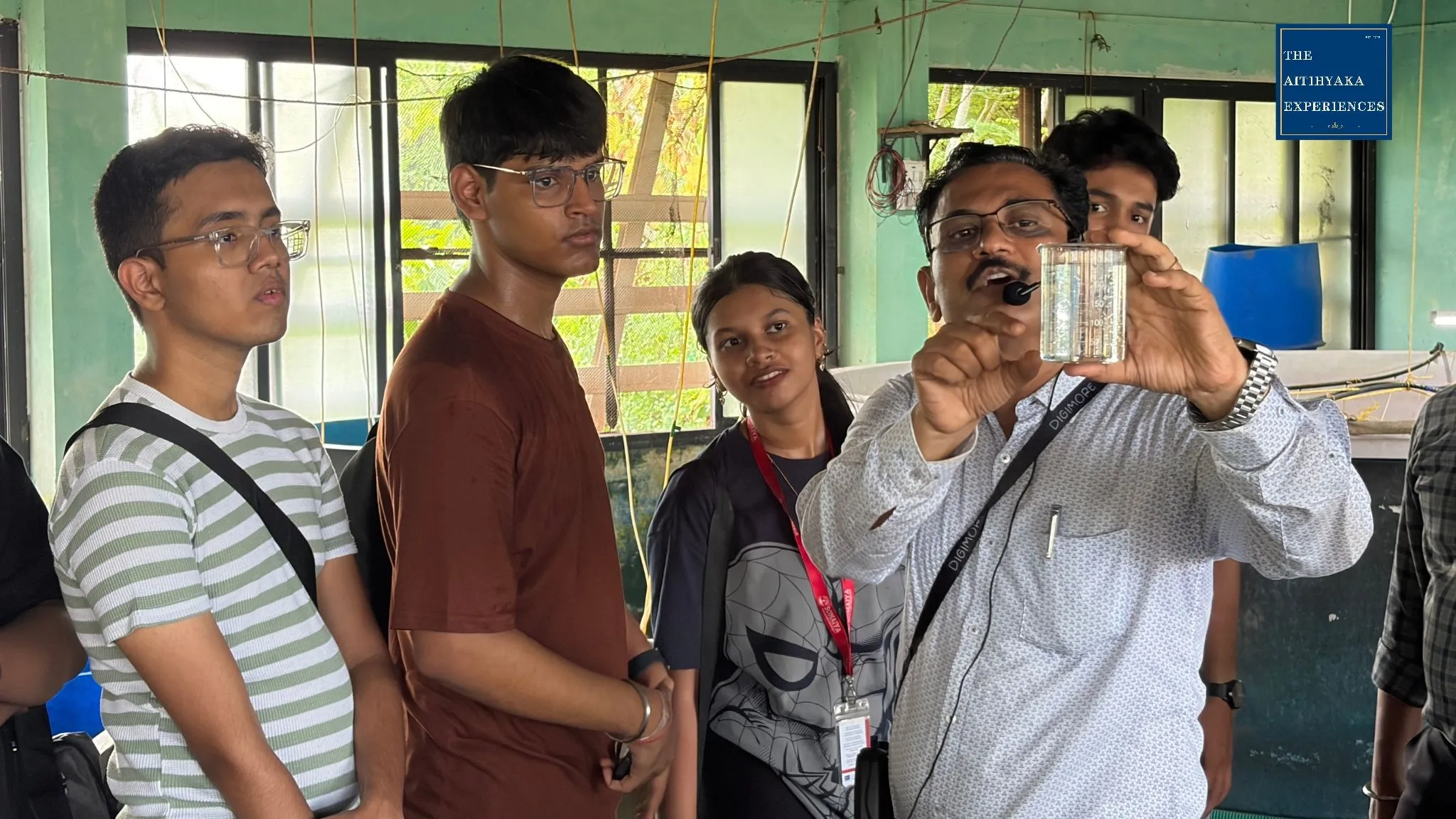
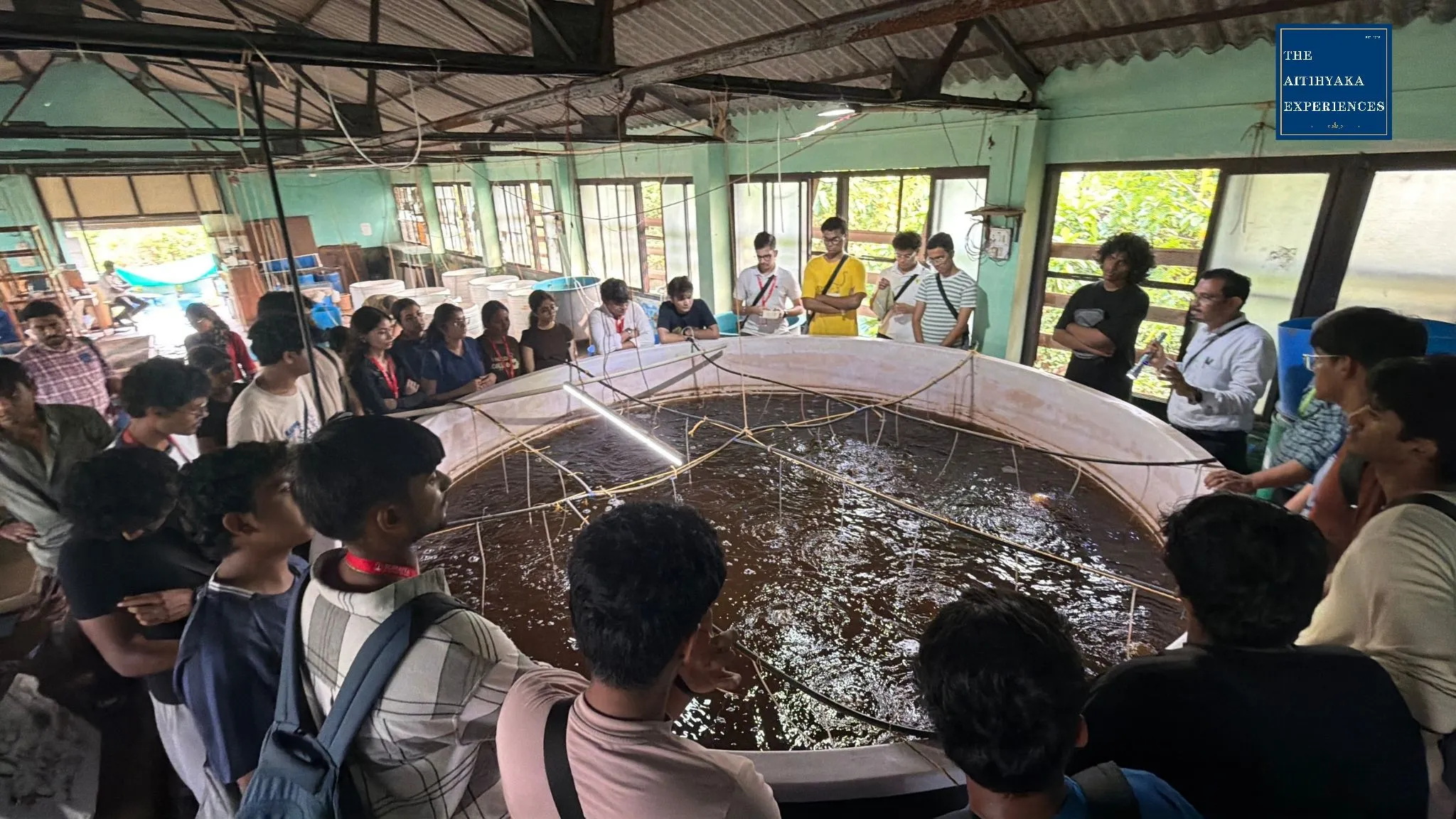
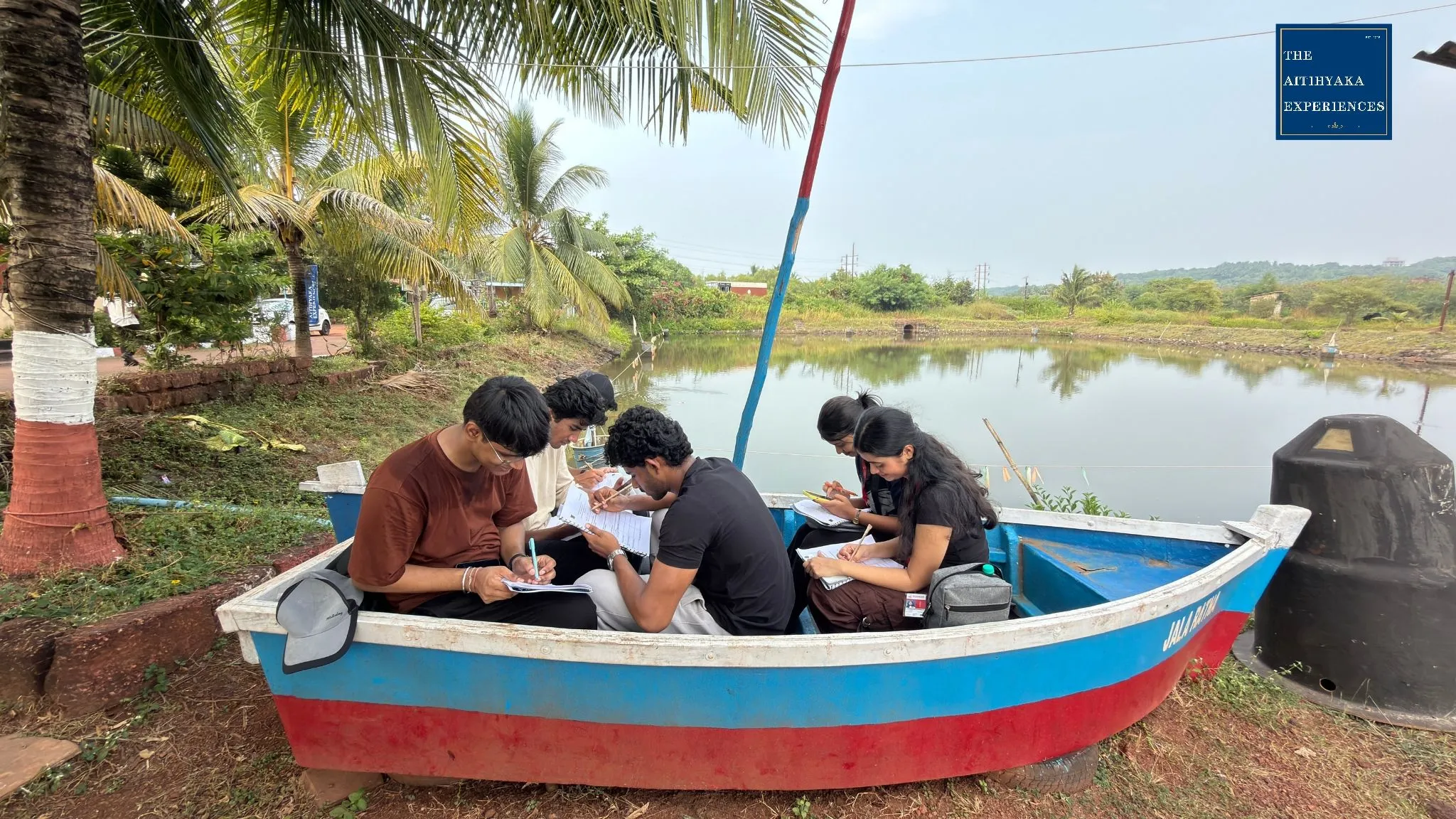
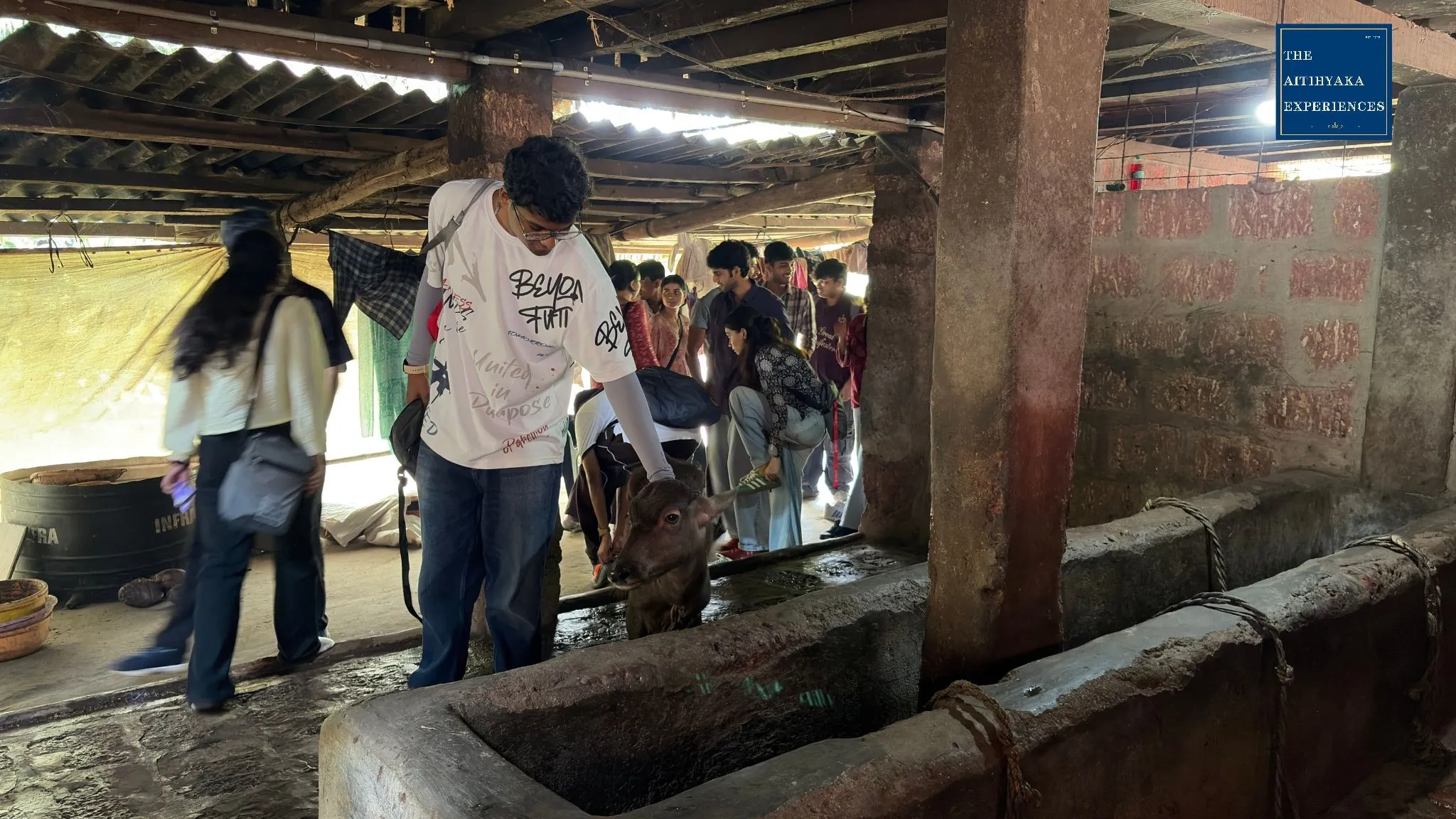
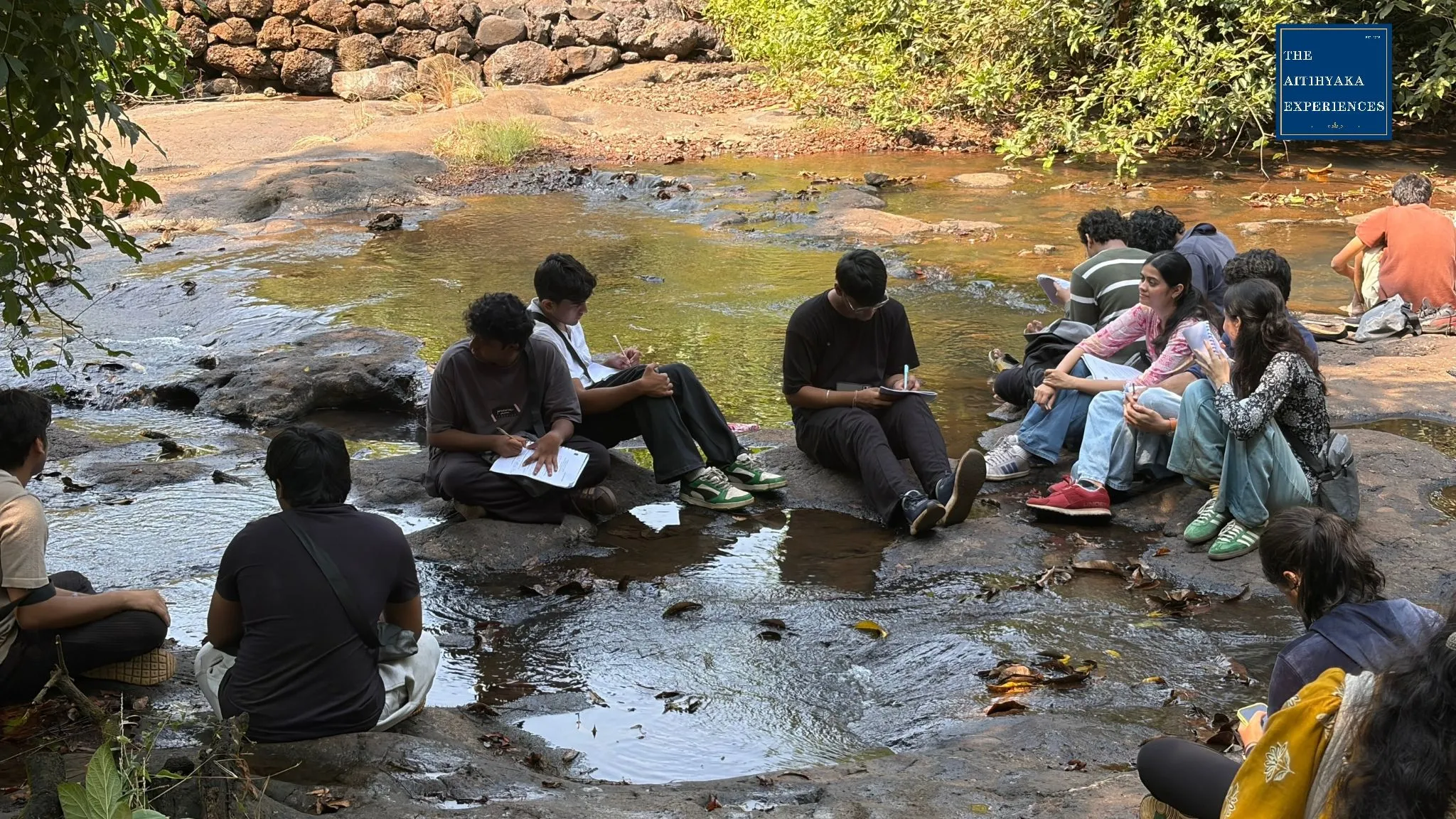
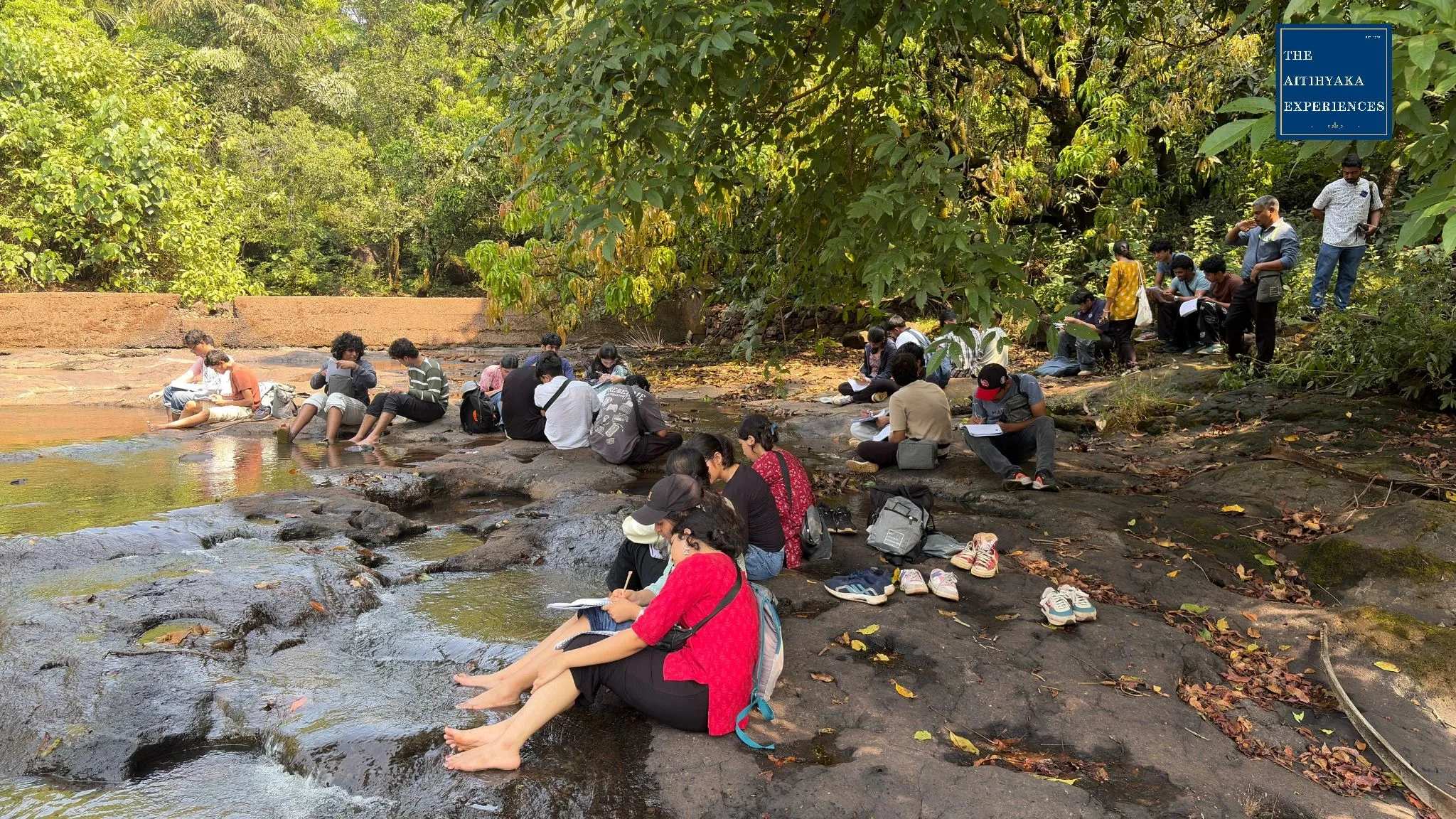
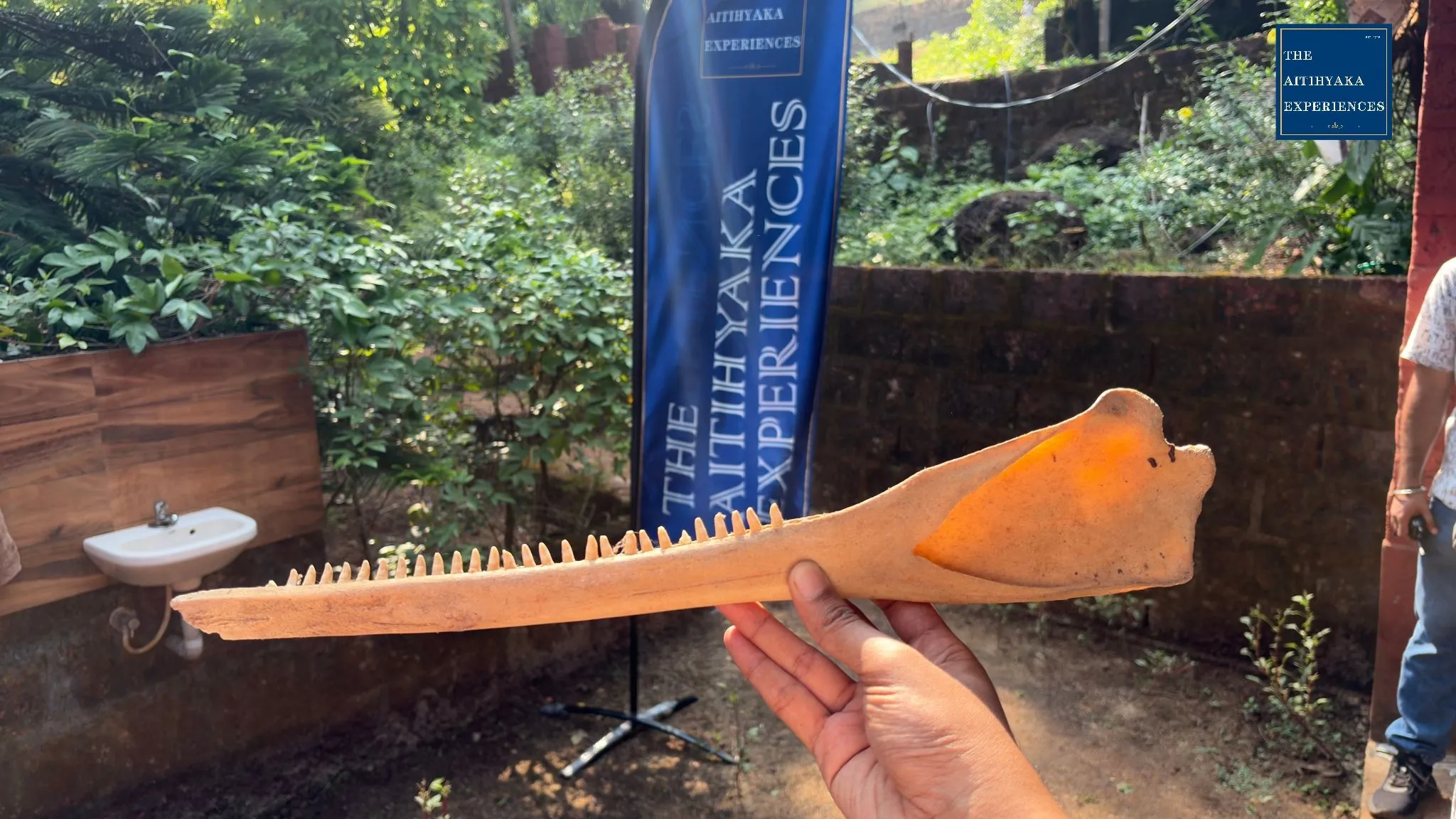
The programme introduced students to the marine biodiversity of the Konkan coast through museum-based learning and observation of marine and freshwater specimens. Students explored aquatic ecosystems, fisheries and their ecological and economic significance. A visit to an agro-farm further introduced them to cultivated landscapes, vegetation patterns and the relationship between agriculture and the surrounding environment.
Traditional Knowledge, Sustainable Living and Vernacular Architecture
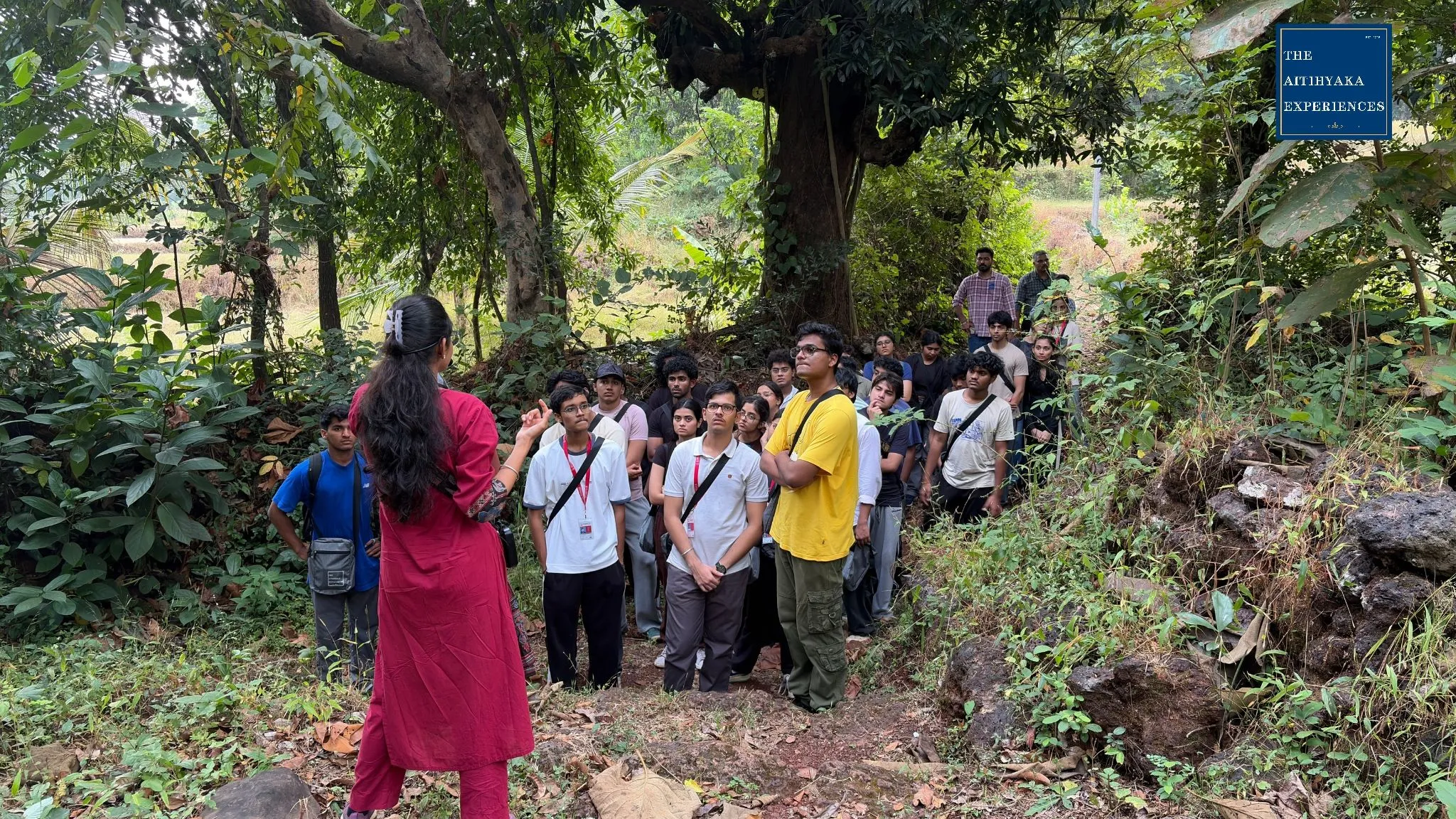
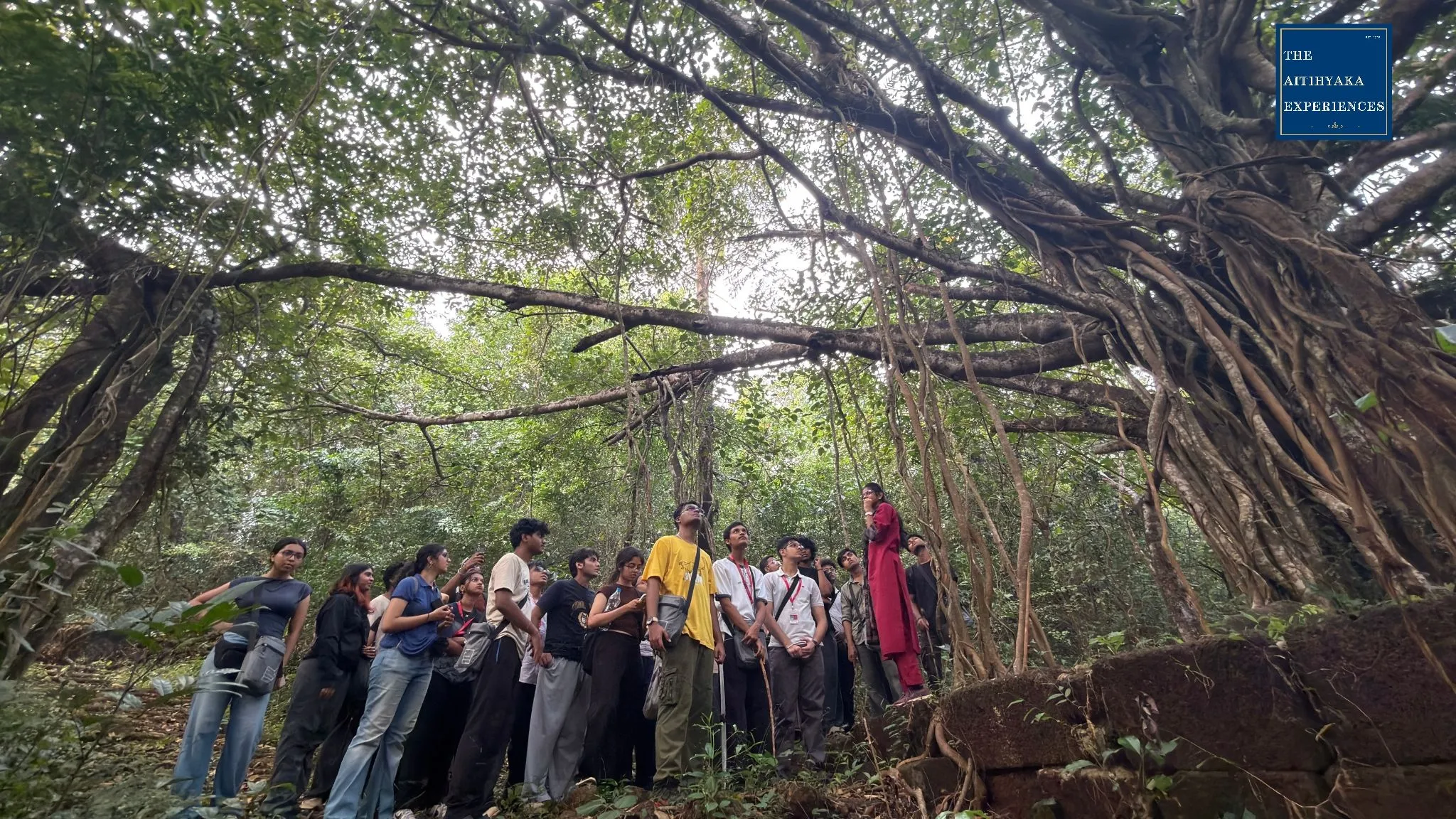
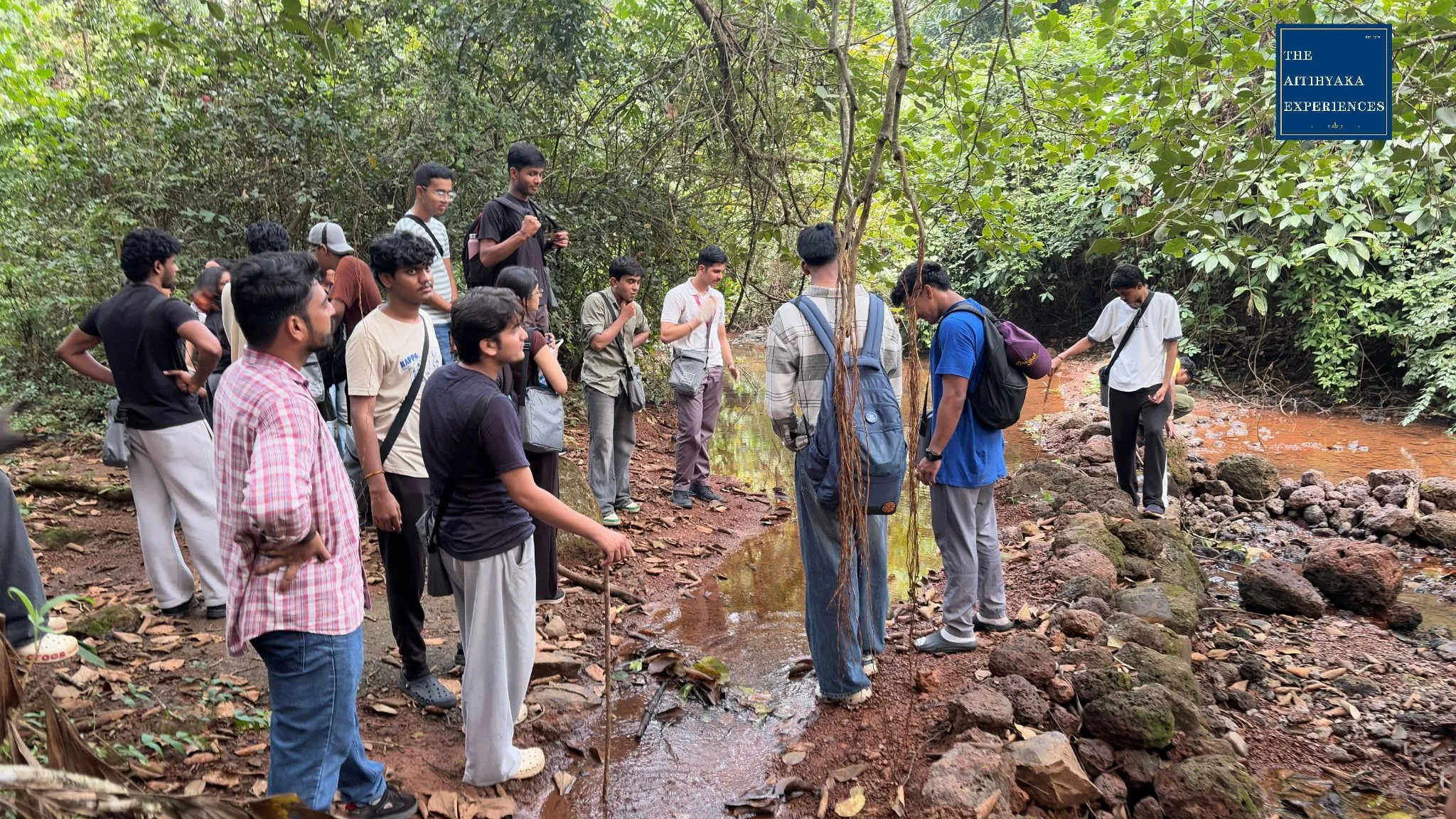
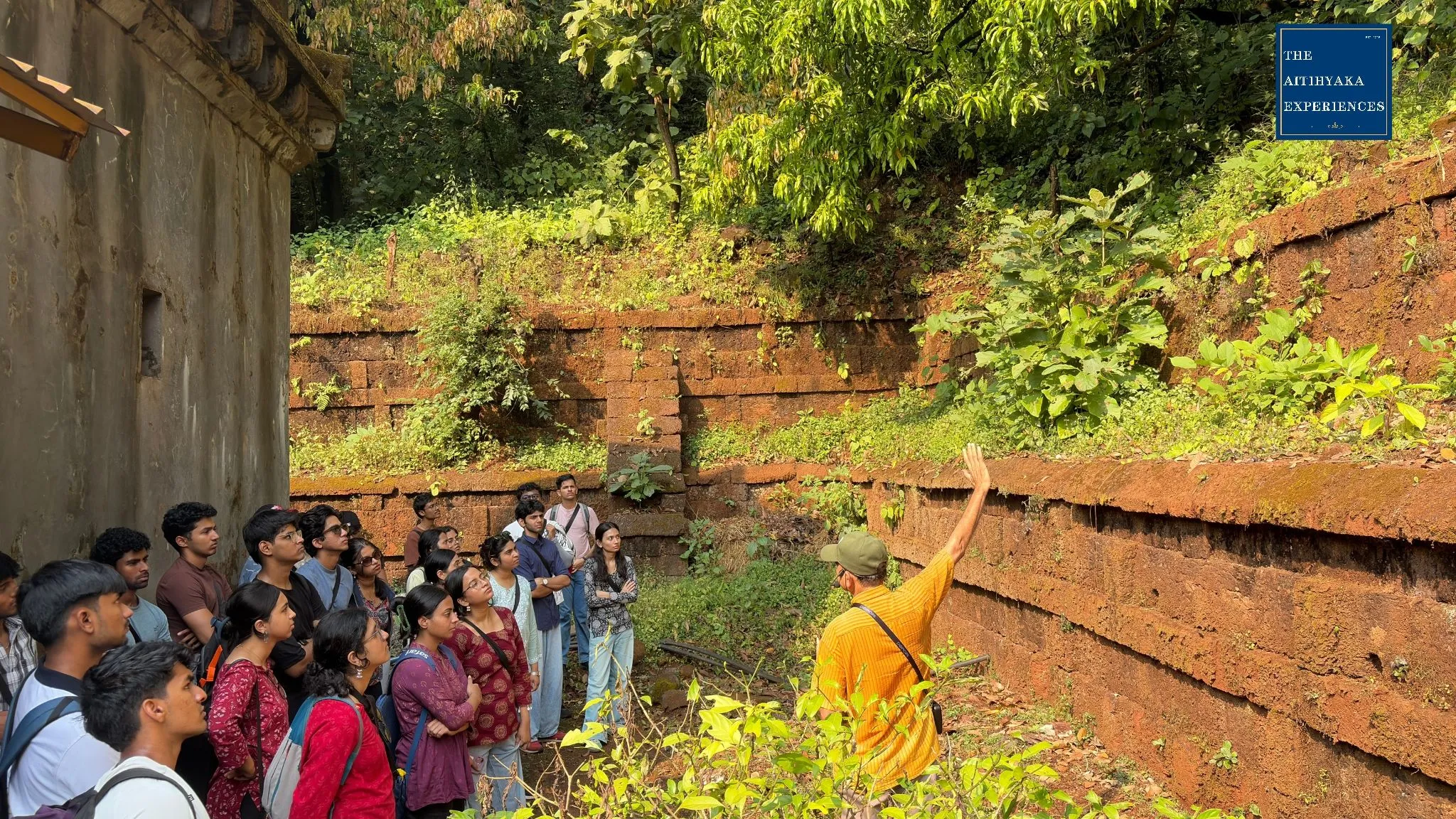
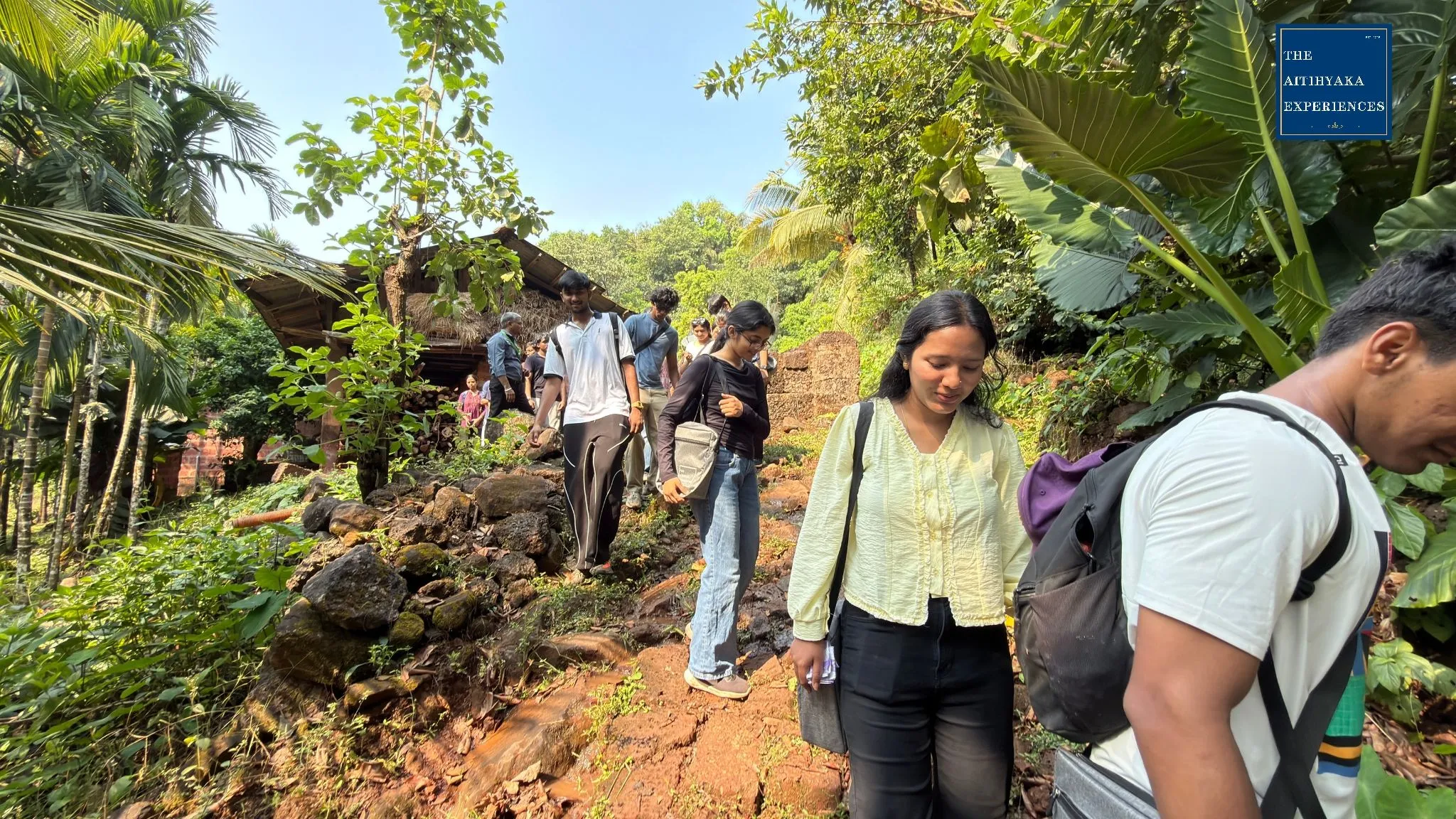
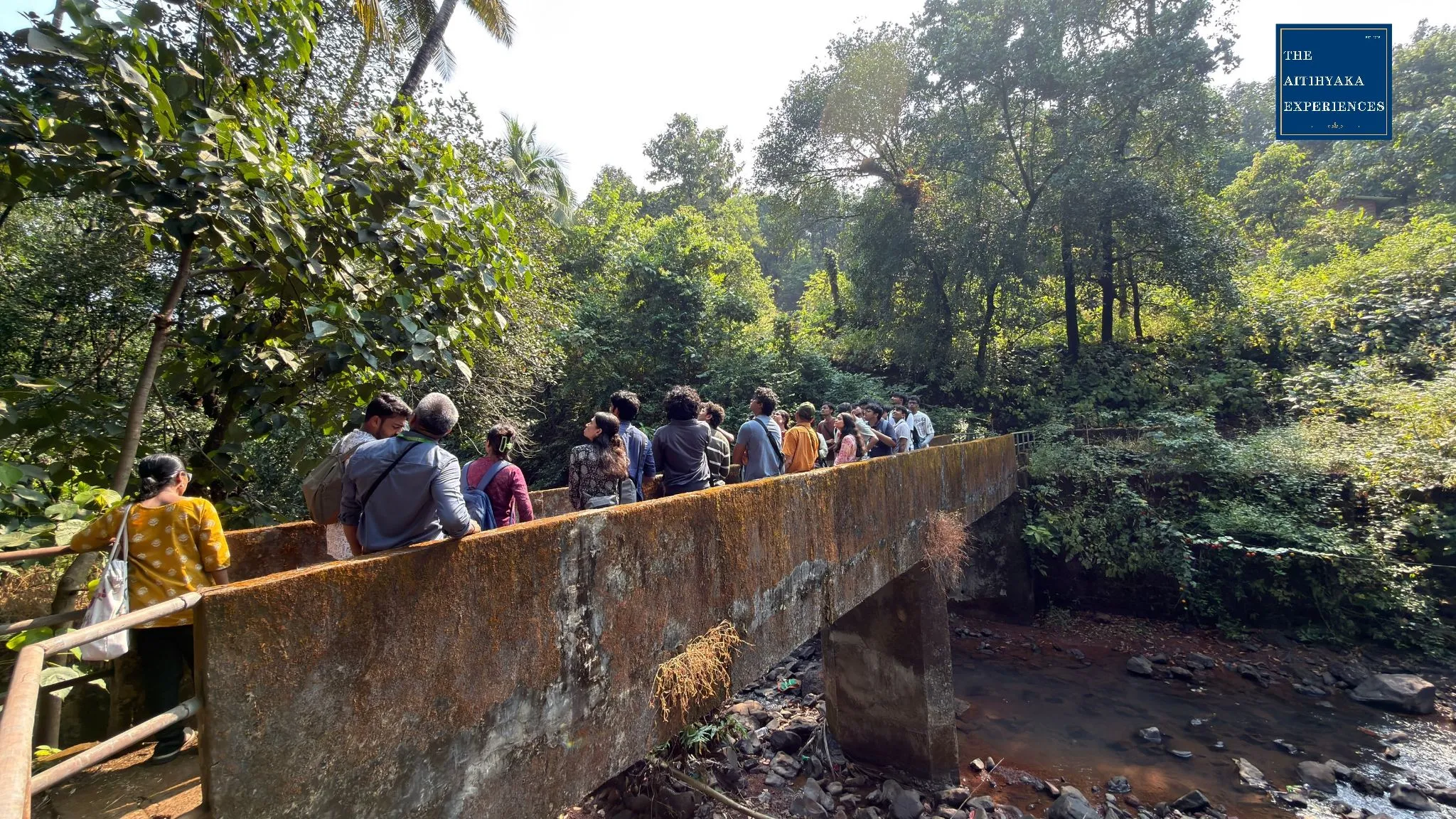
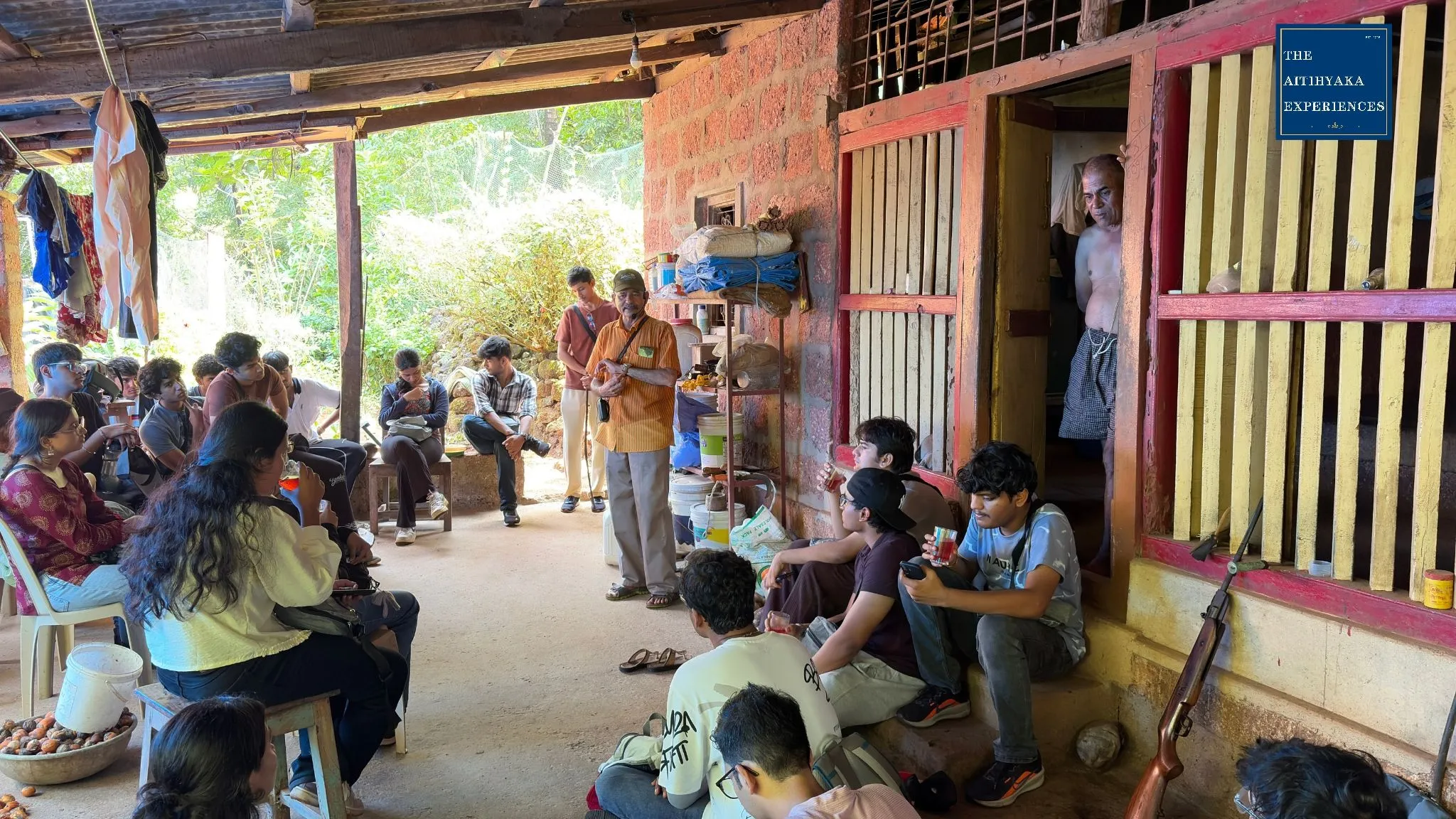
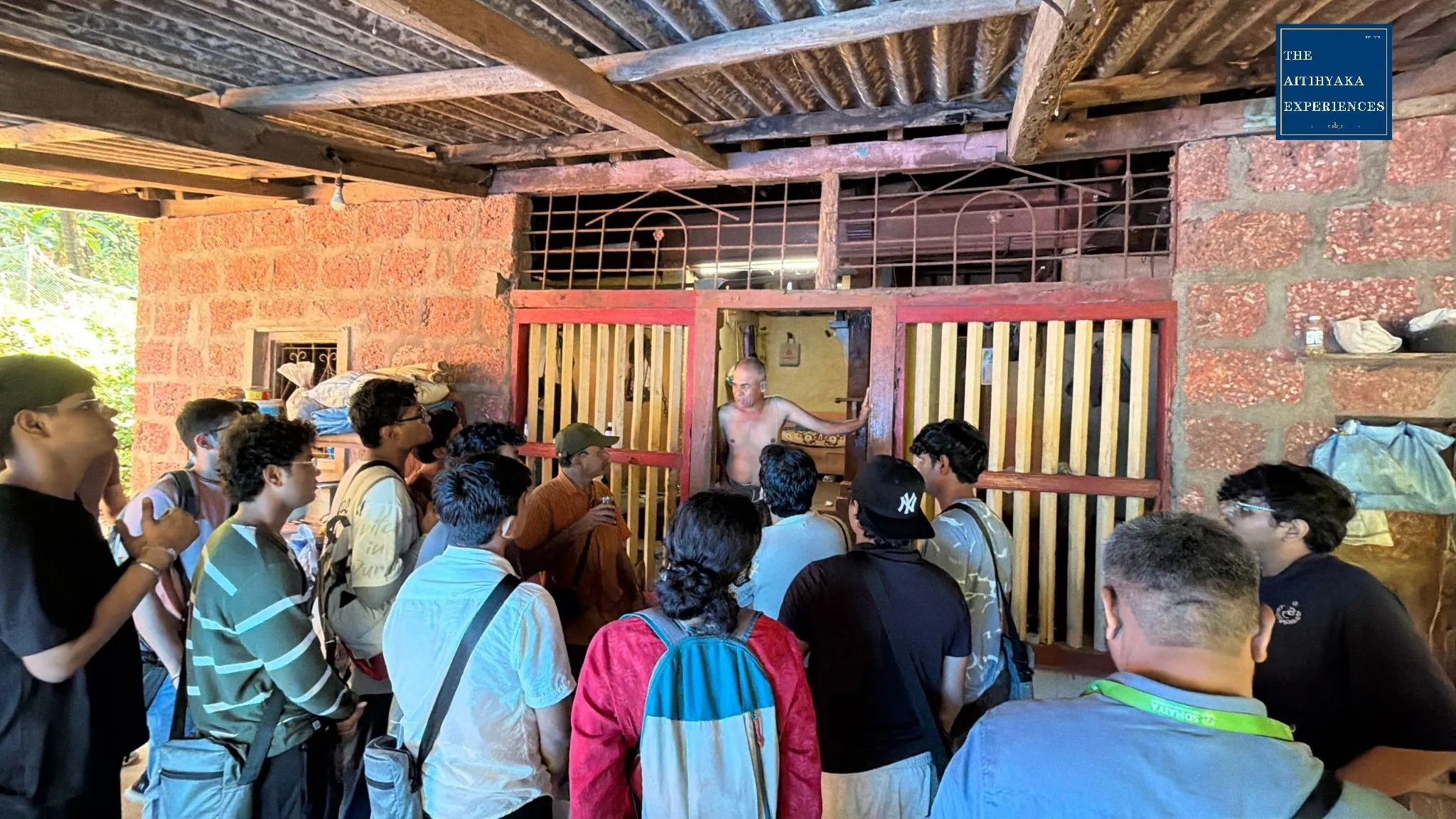
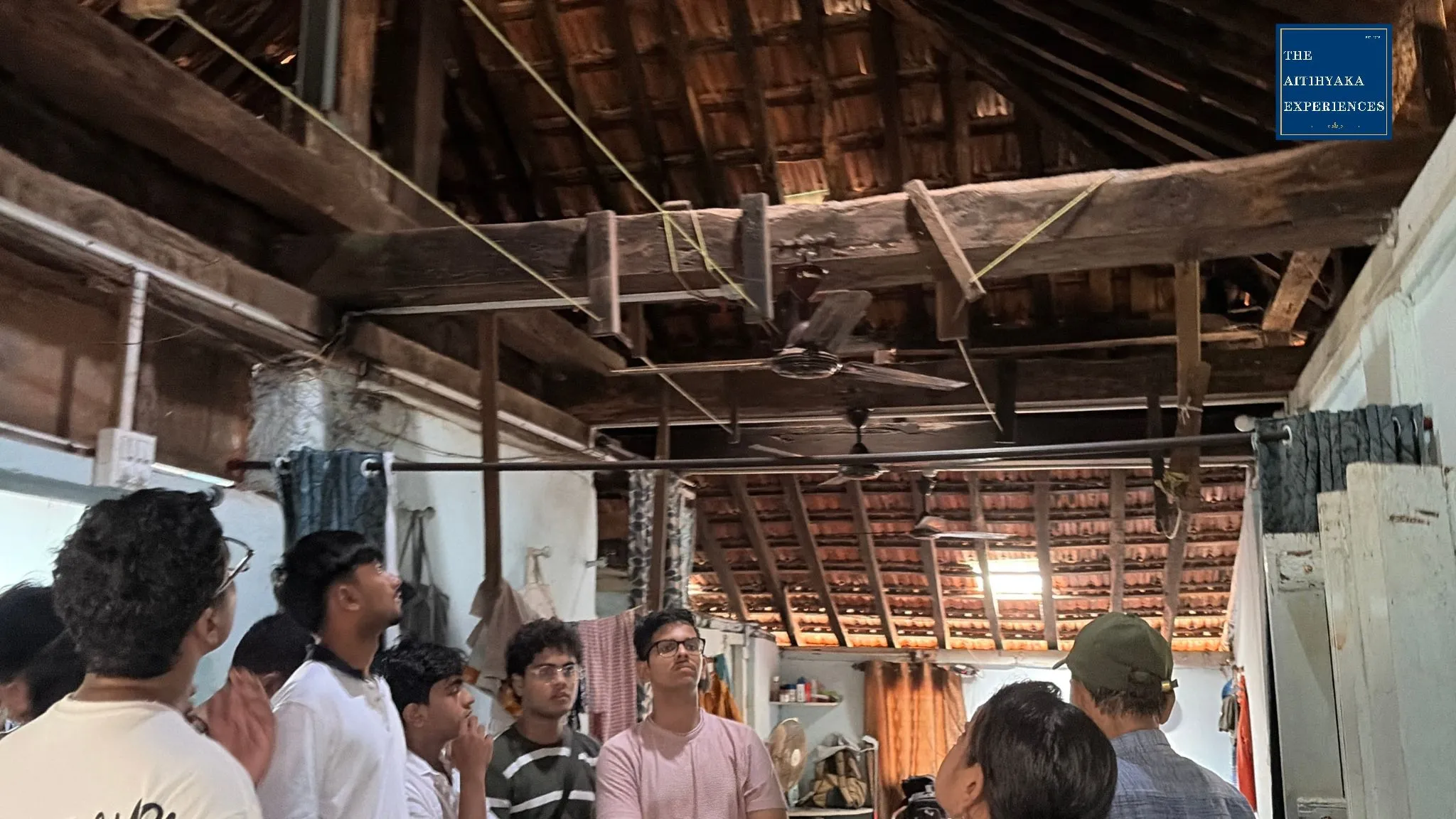
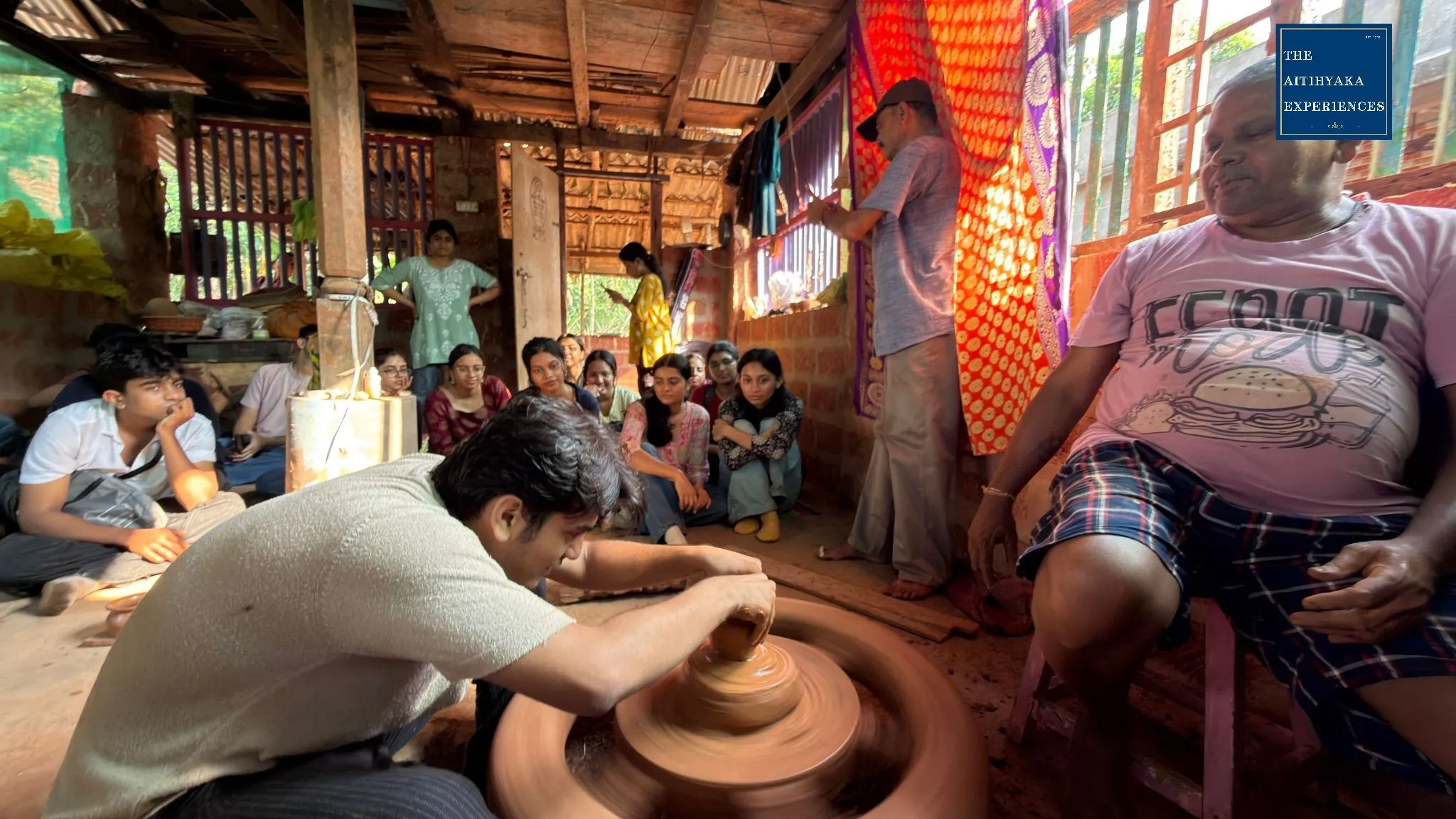
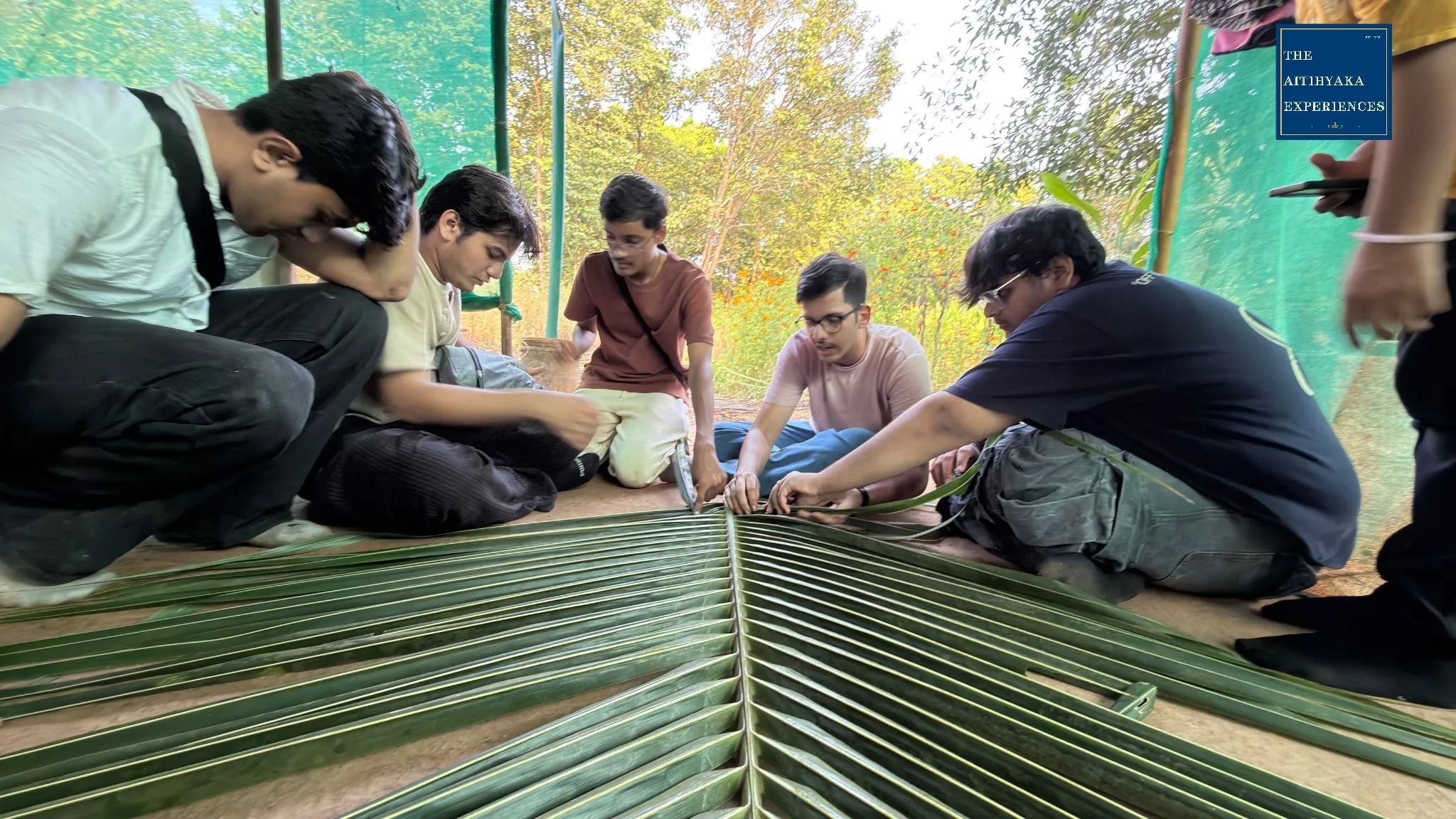
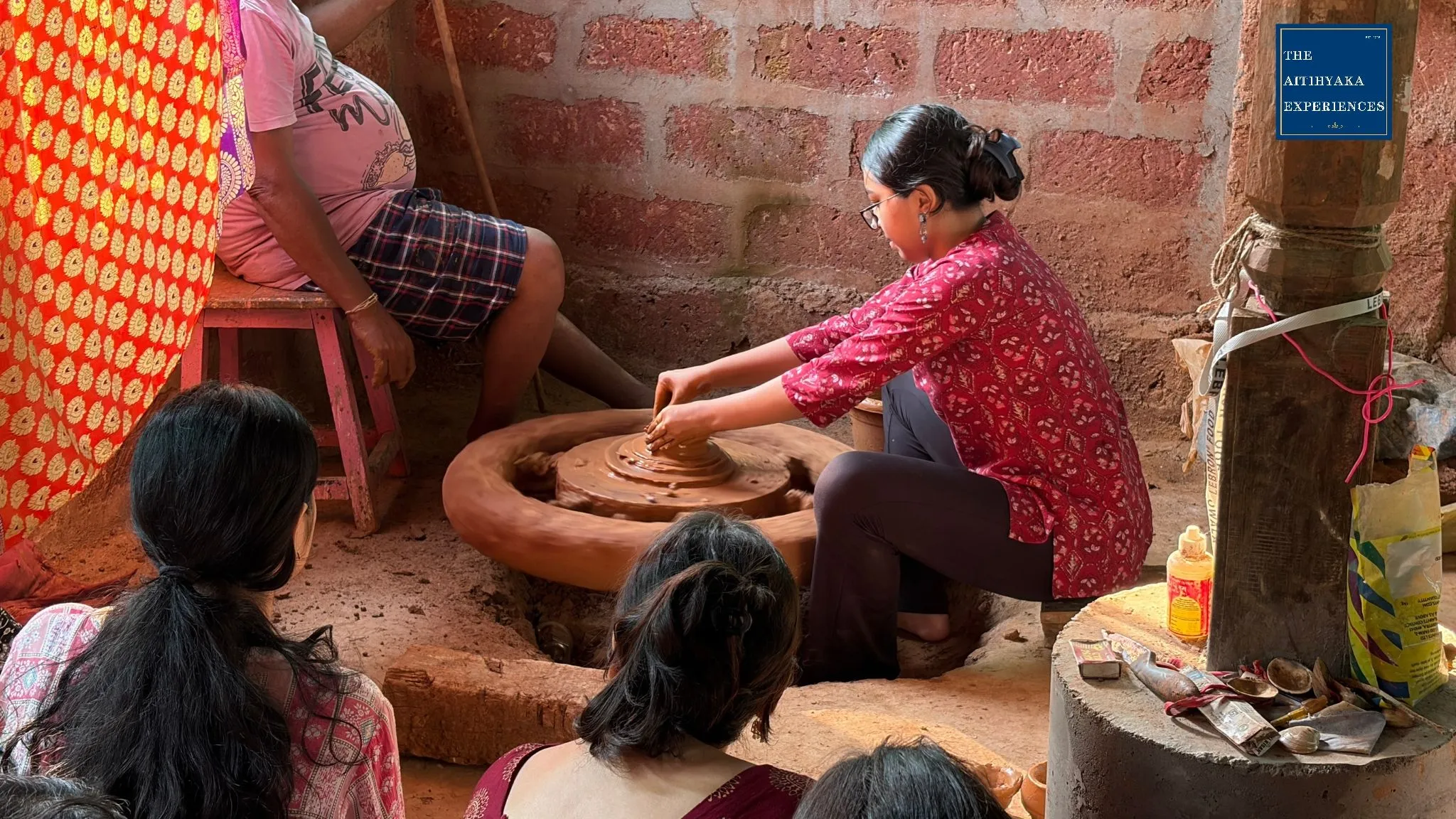
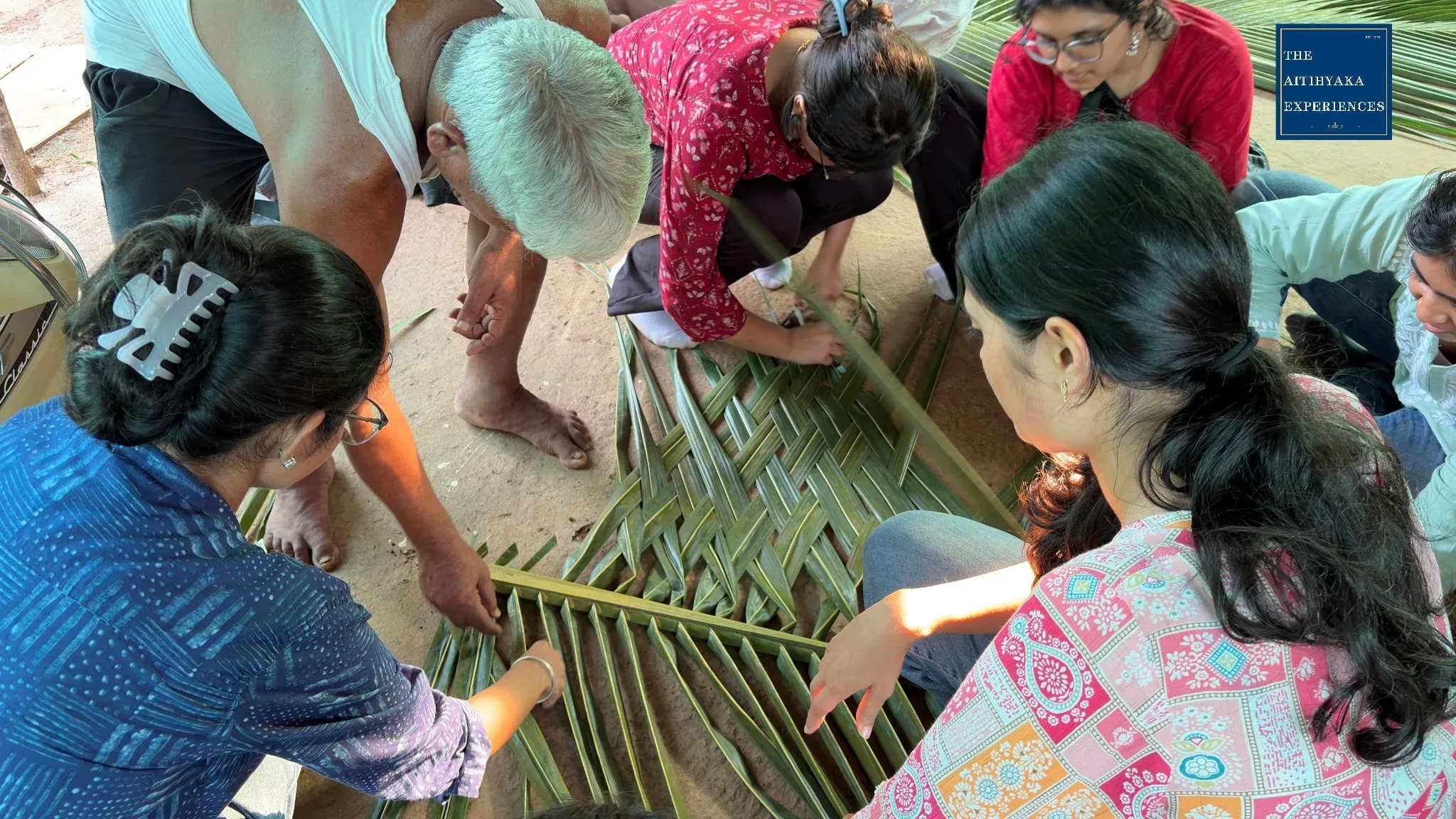
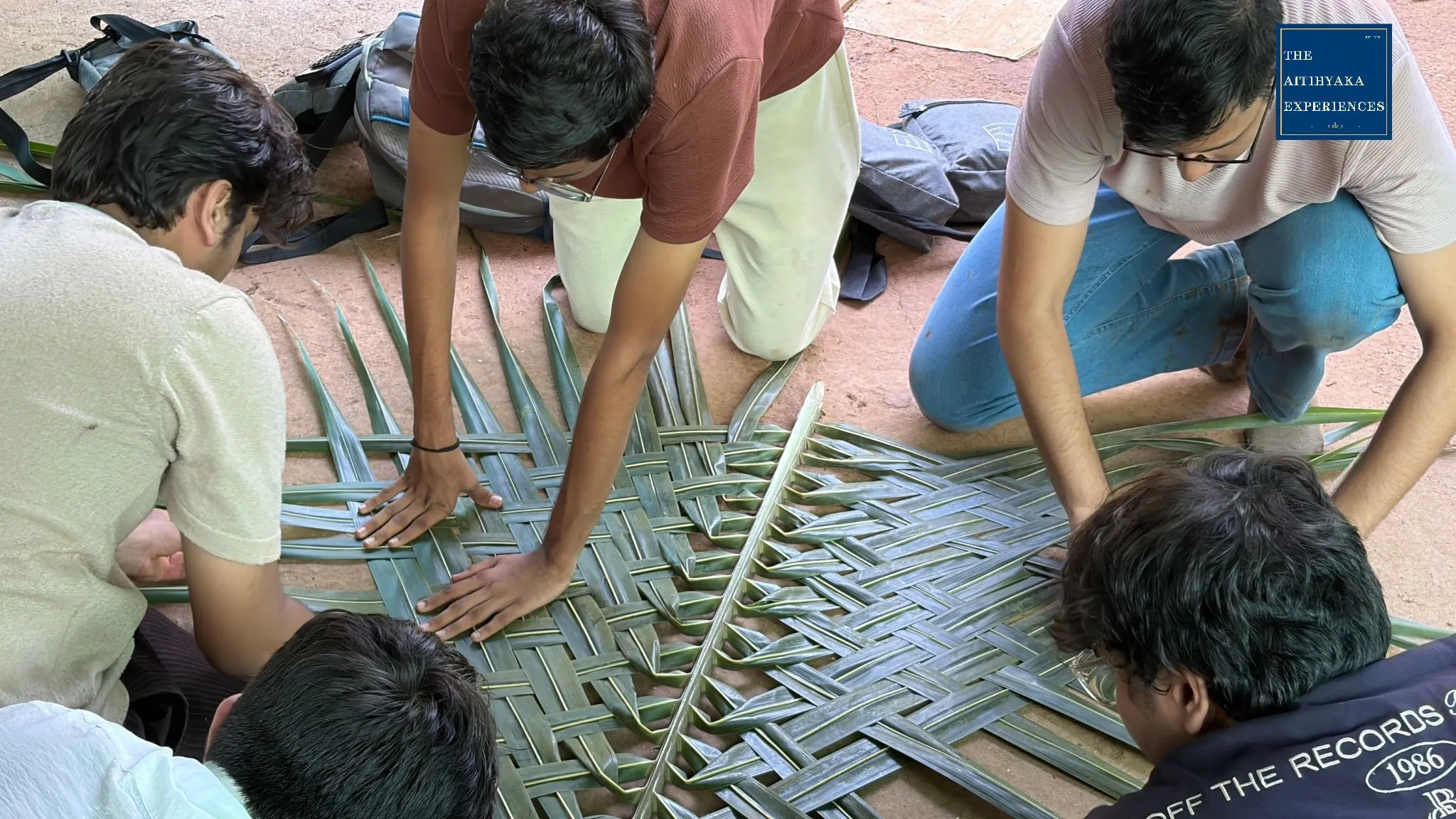
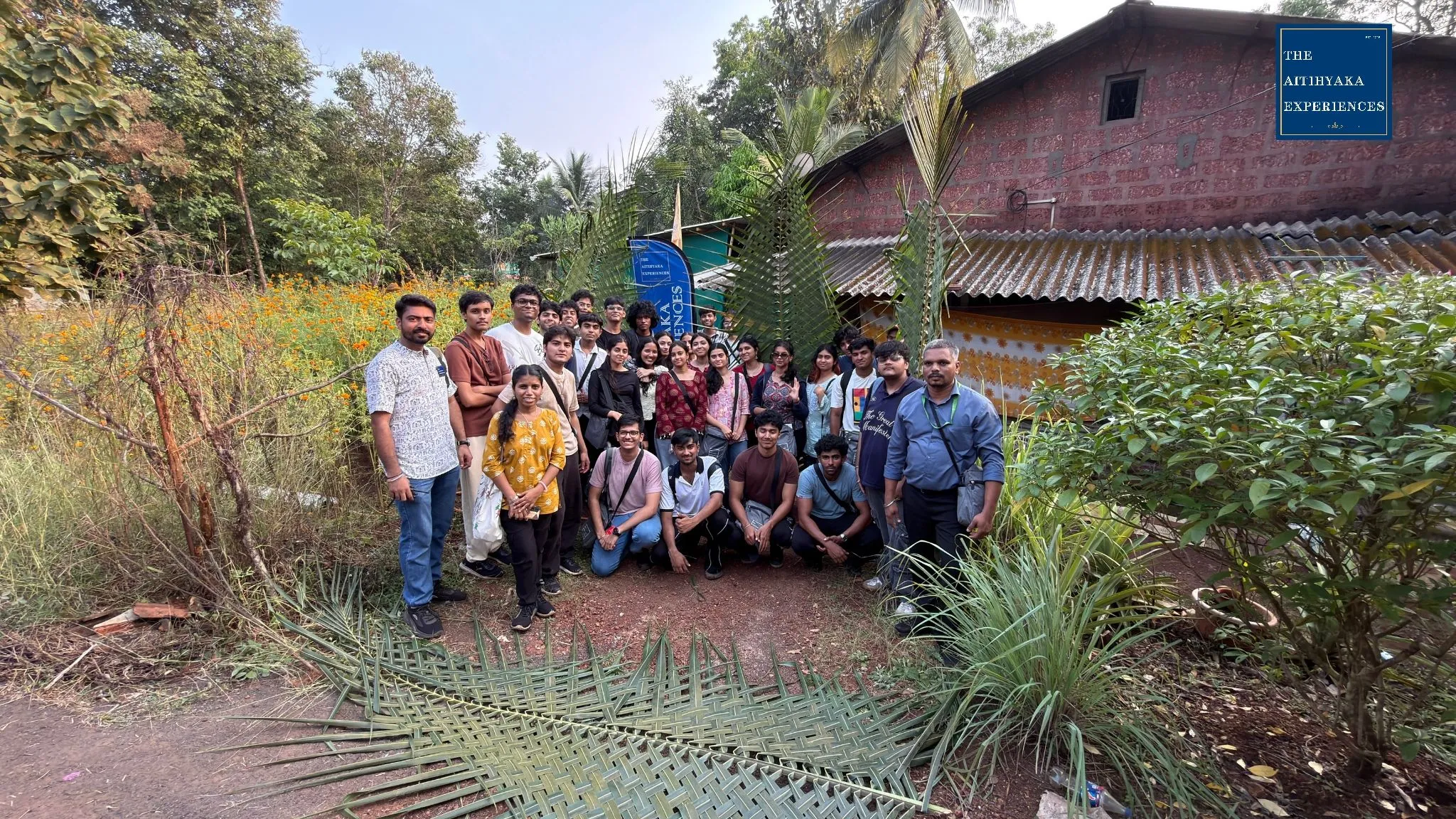
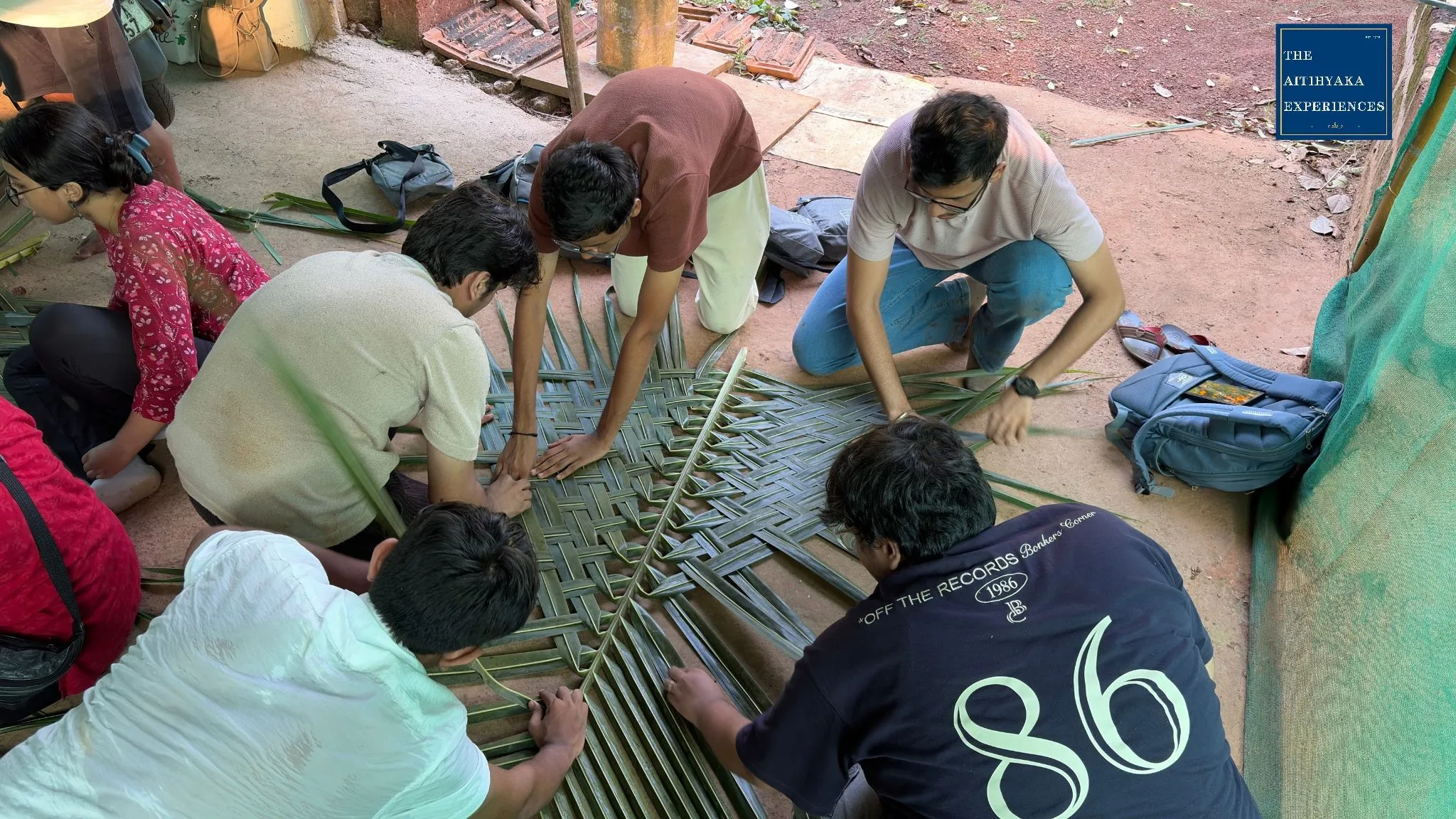
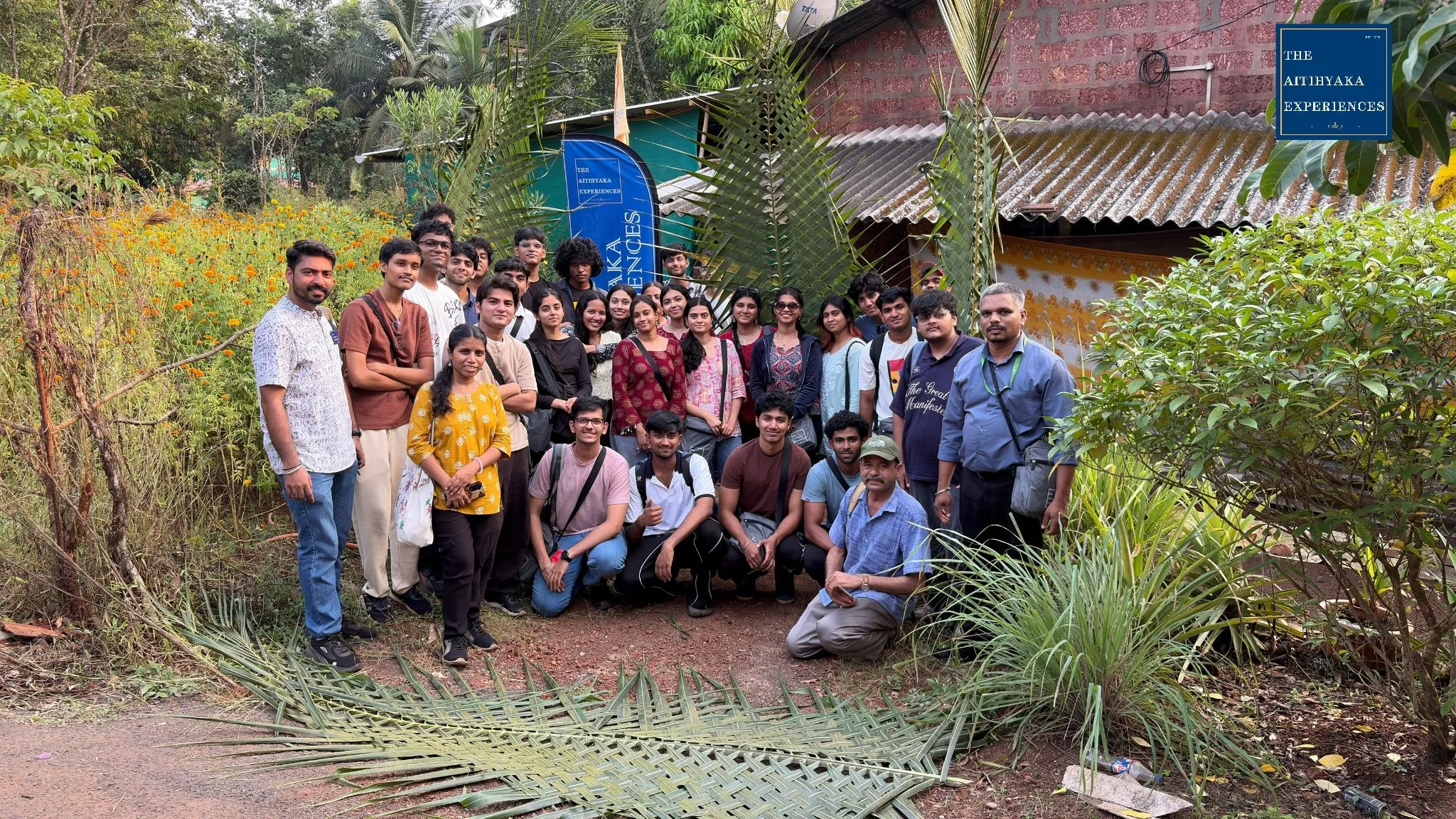
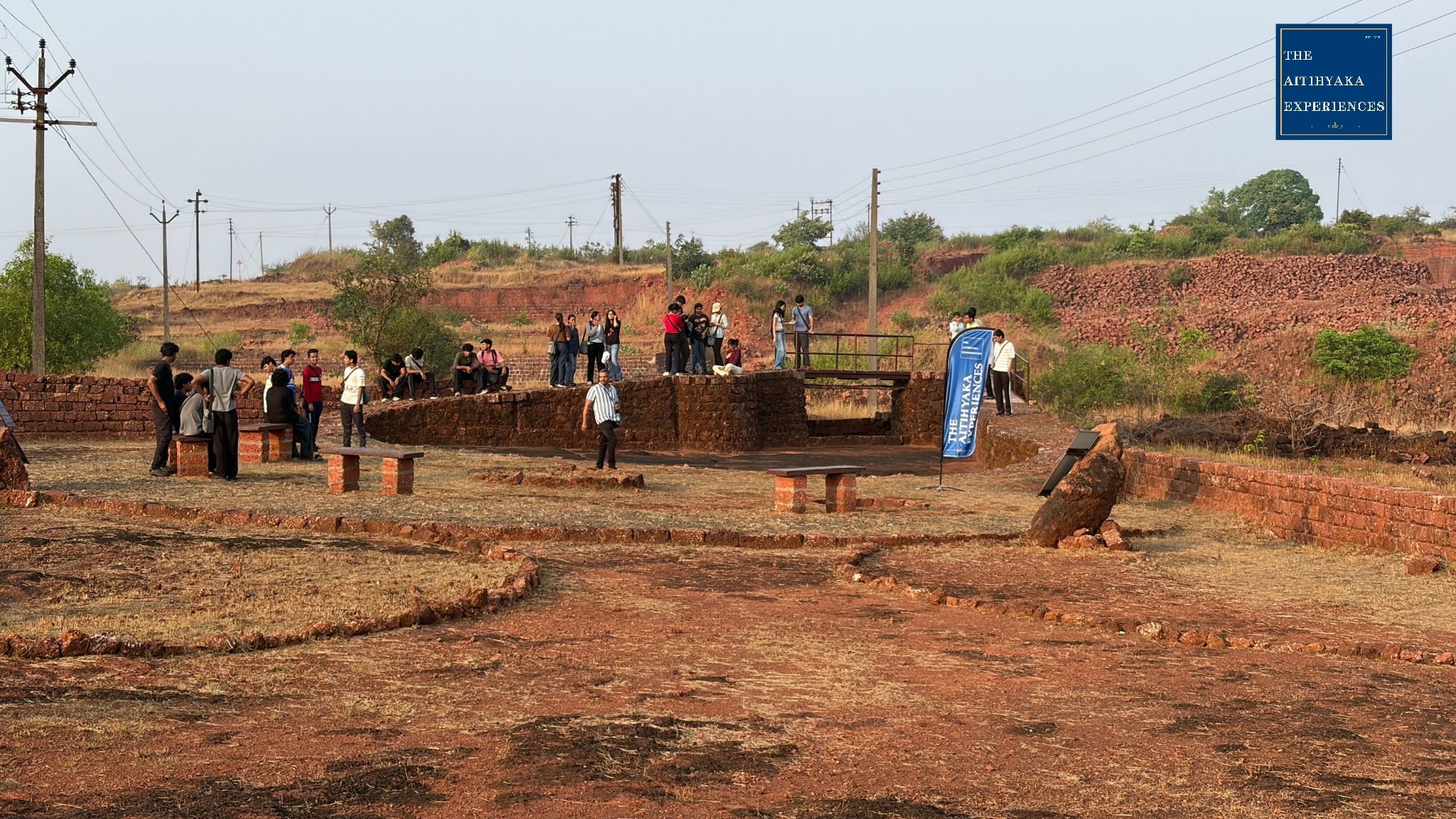
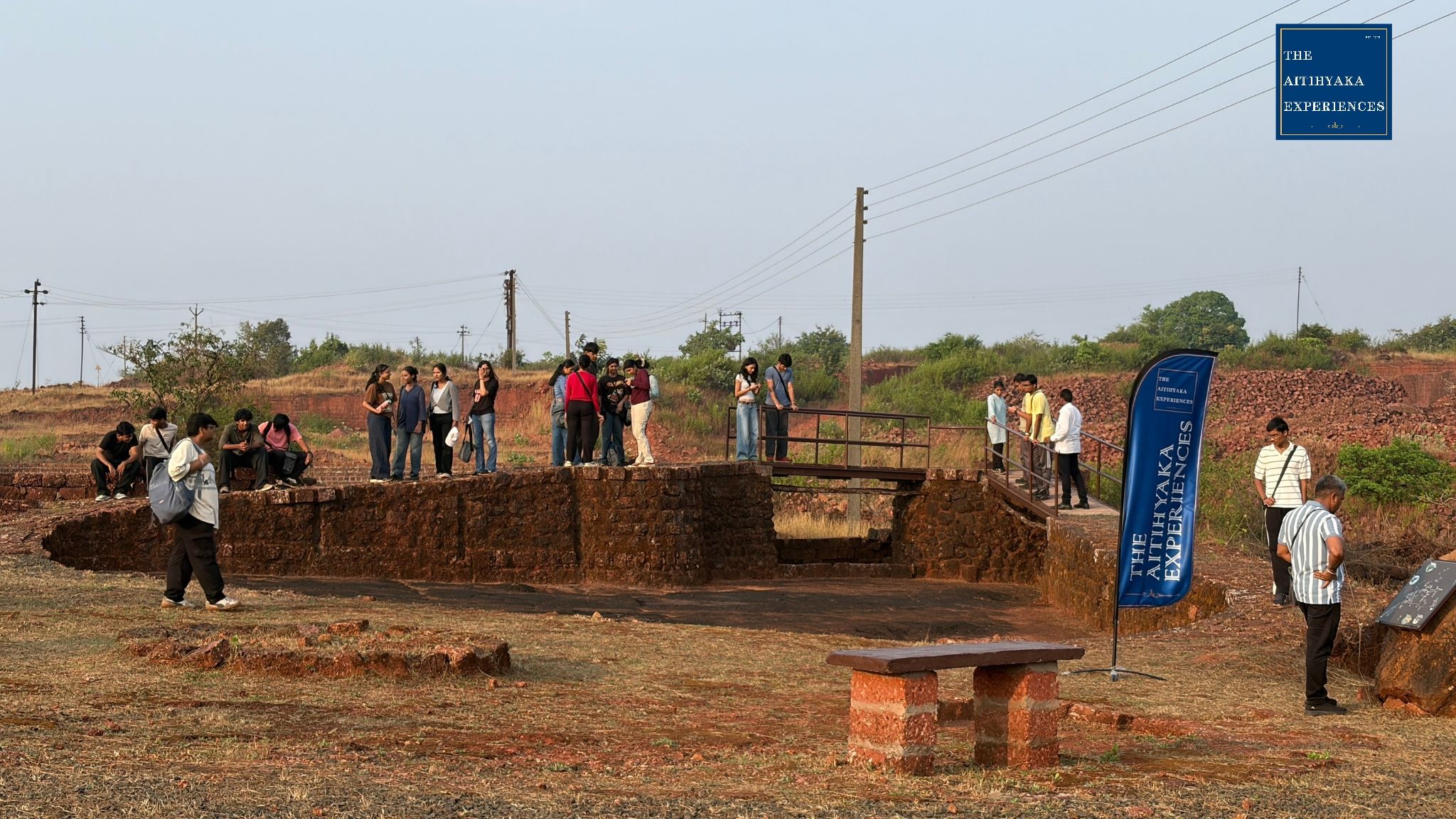
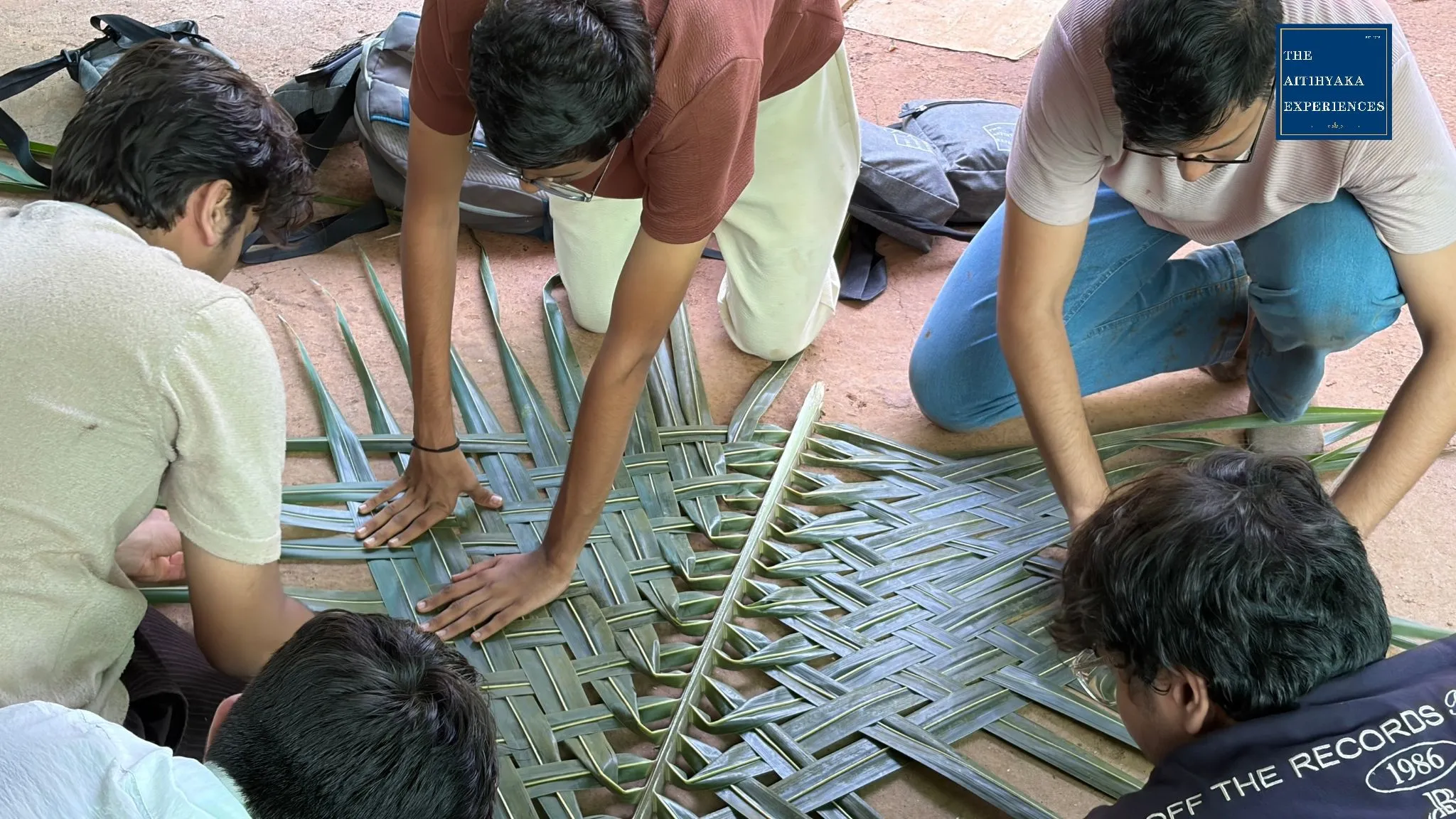
Students explored traditional water-management systems, stone pathways and vernacular architecture within the rural landscapes of Konkan. Hands-on activities in palm-leaf weaving introduced them to the use of locally available, renewable materials in traditional roofing practices. A pottery-making activity provided practical exposure to traditional craftsmanship and its role in local livelihoods.
Prehistoric Rock Art and Archaeological Landscapes
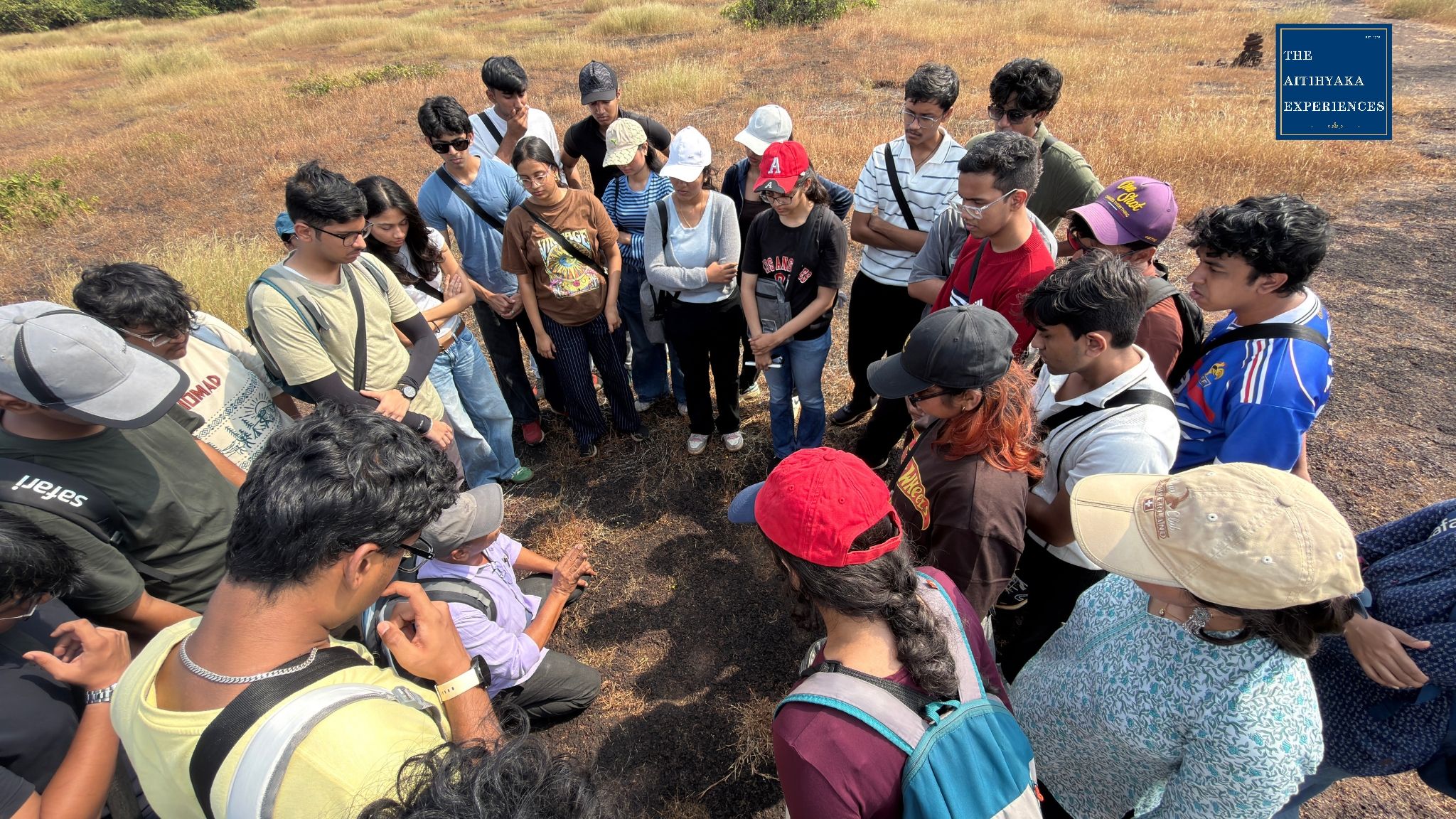
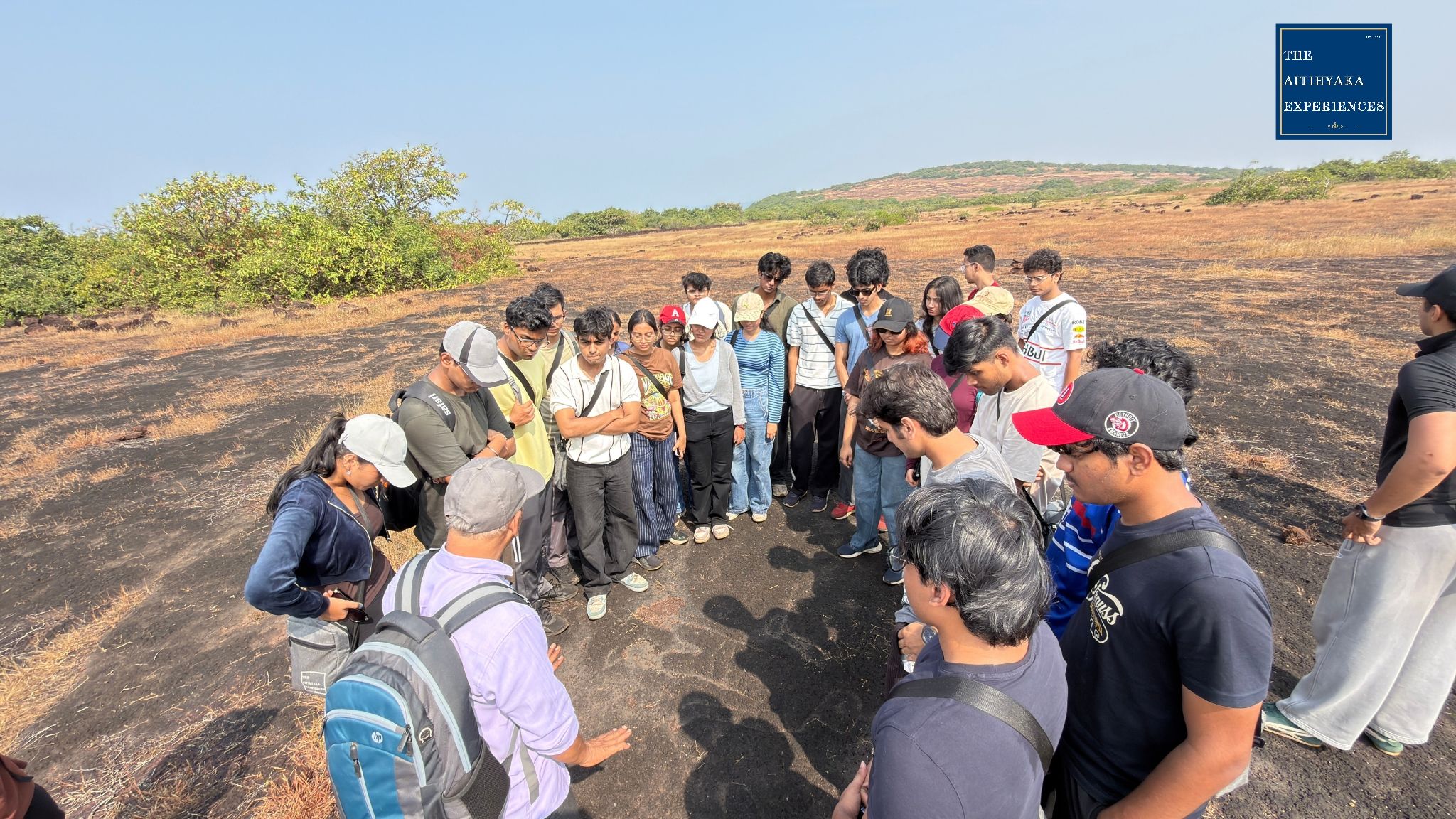
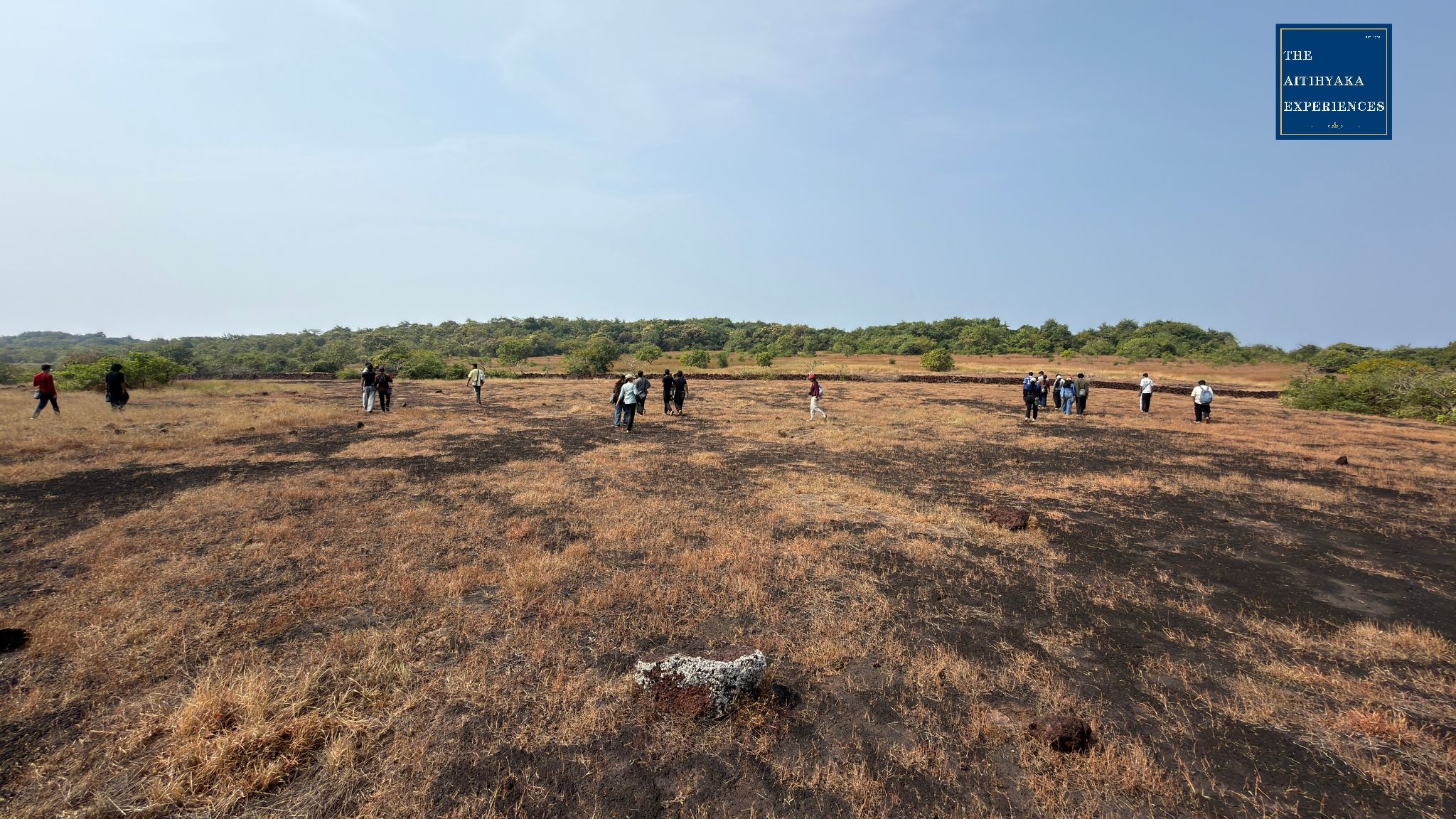
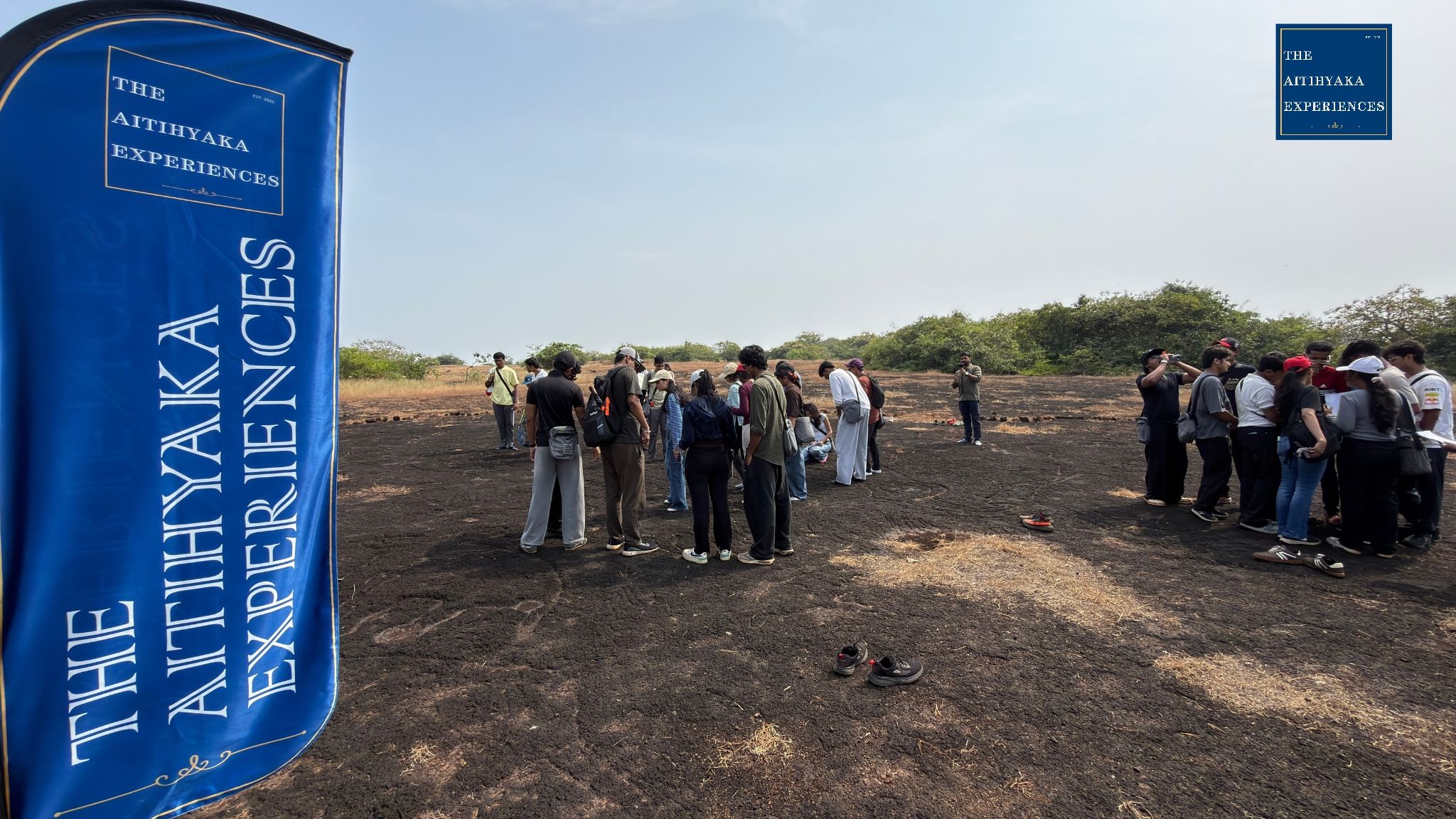
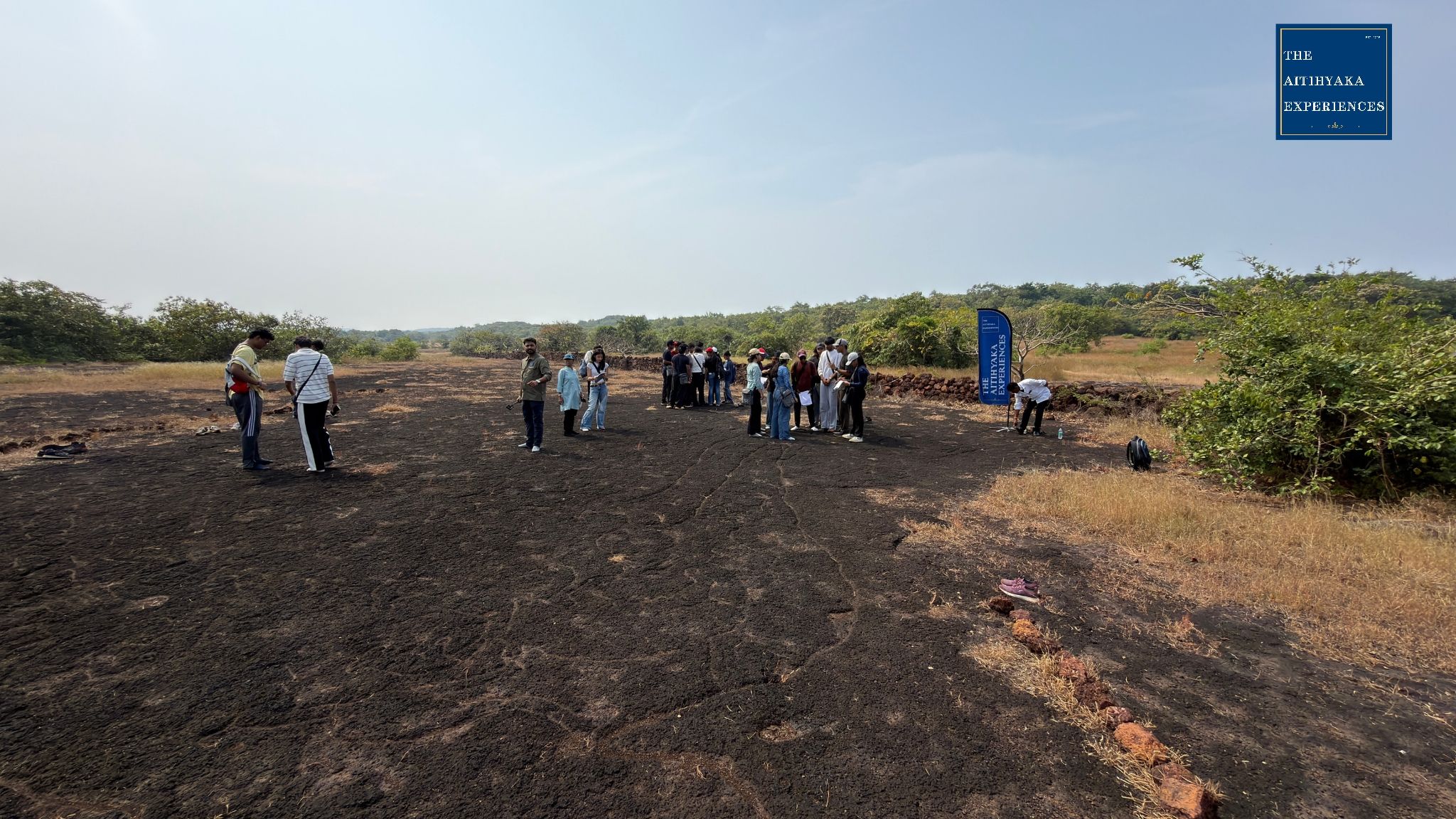
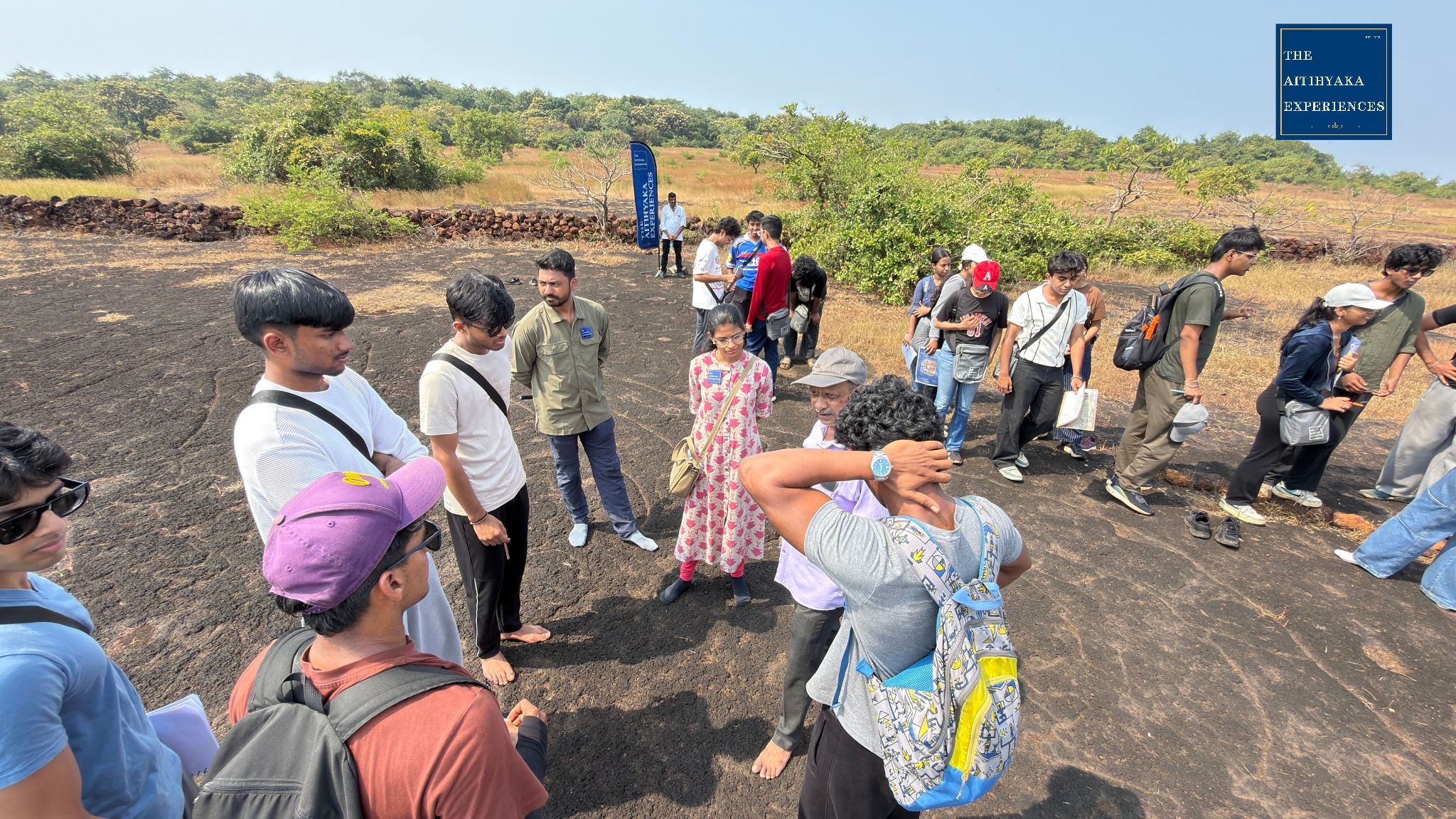
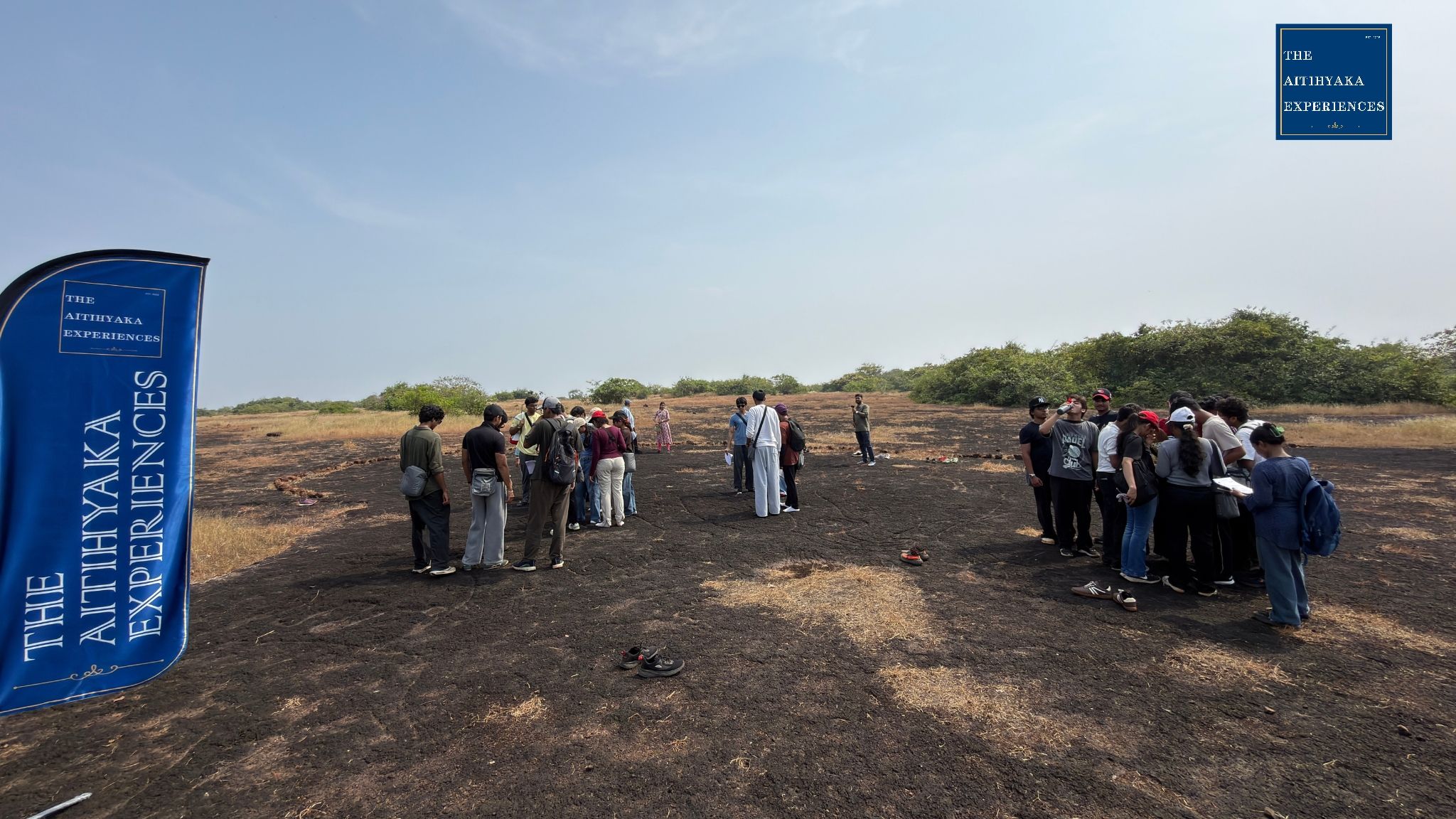
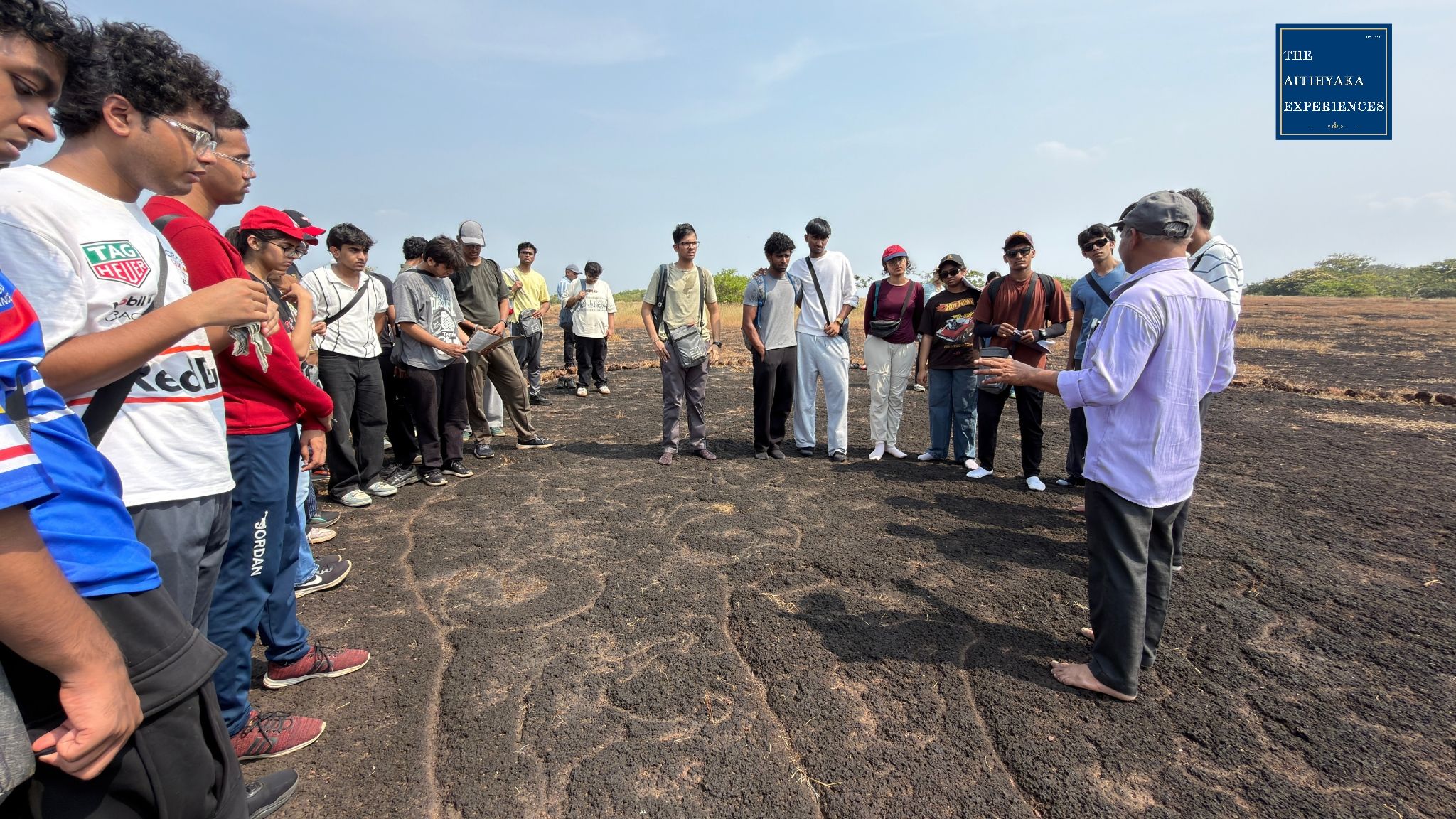
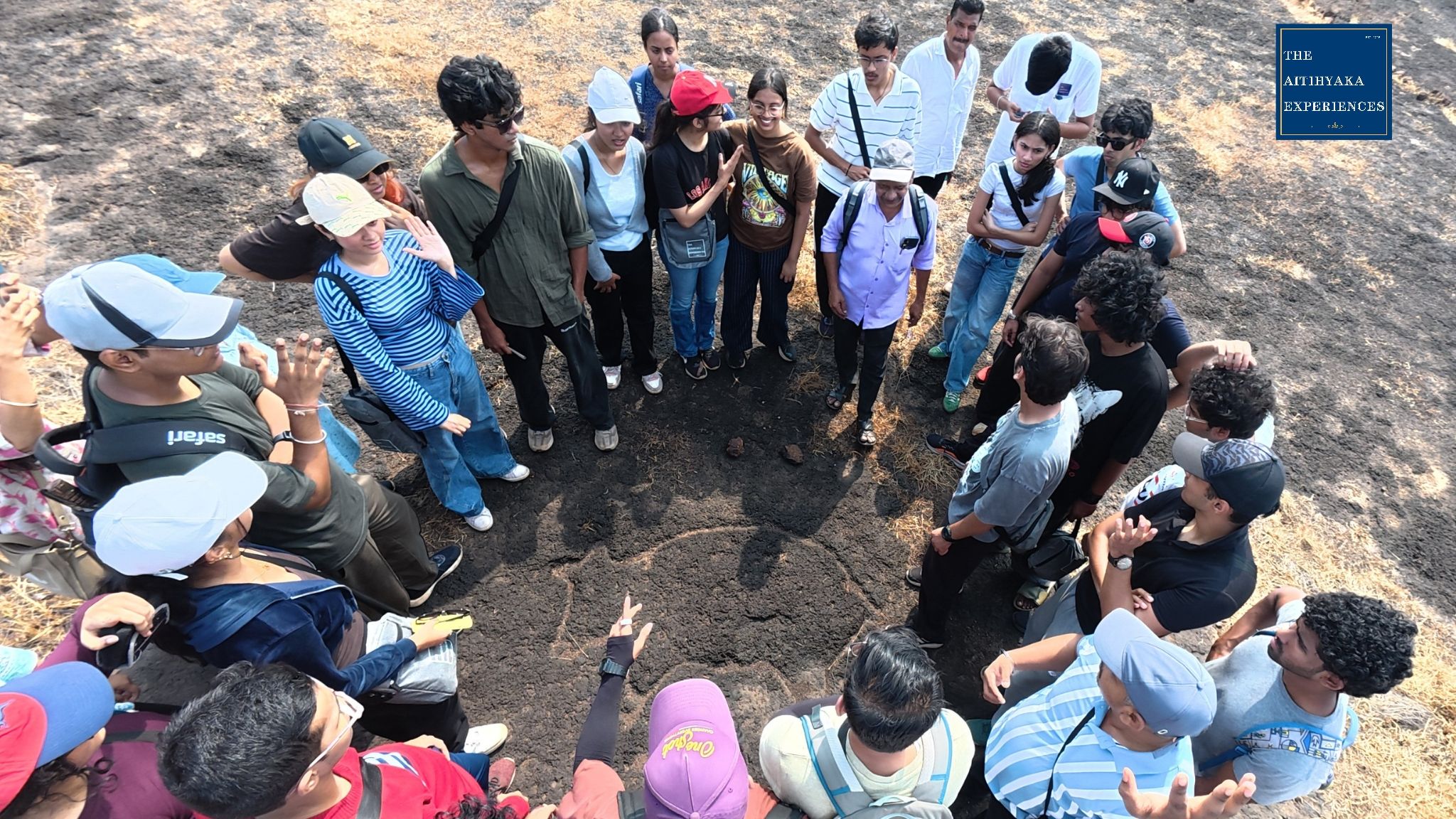
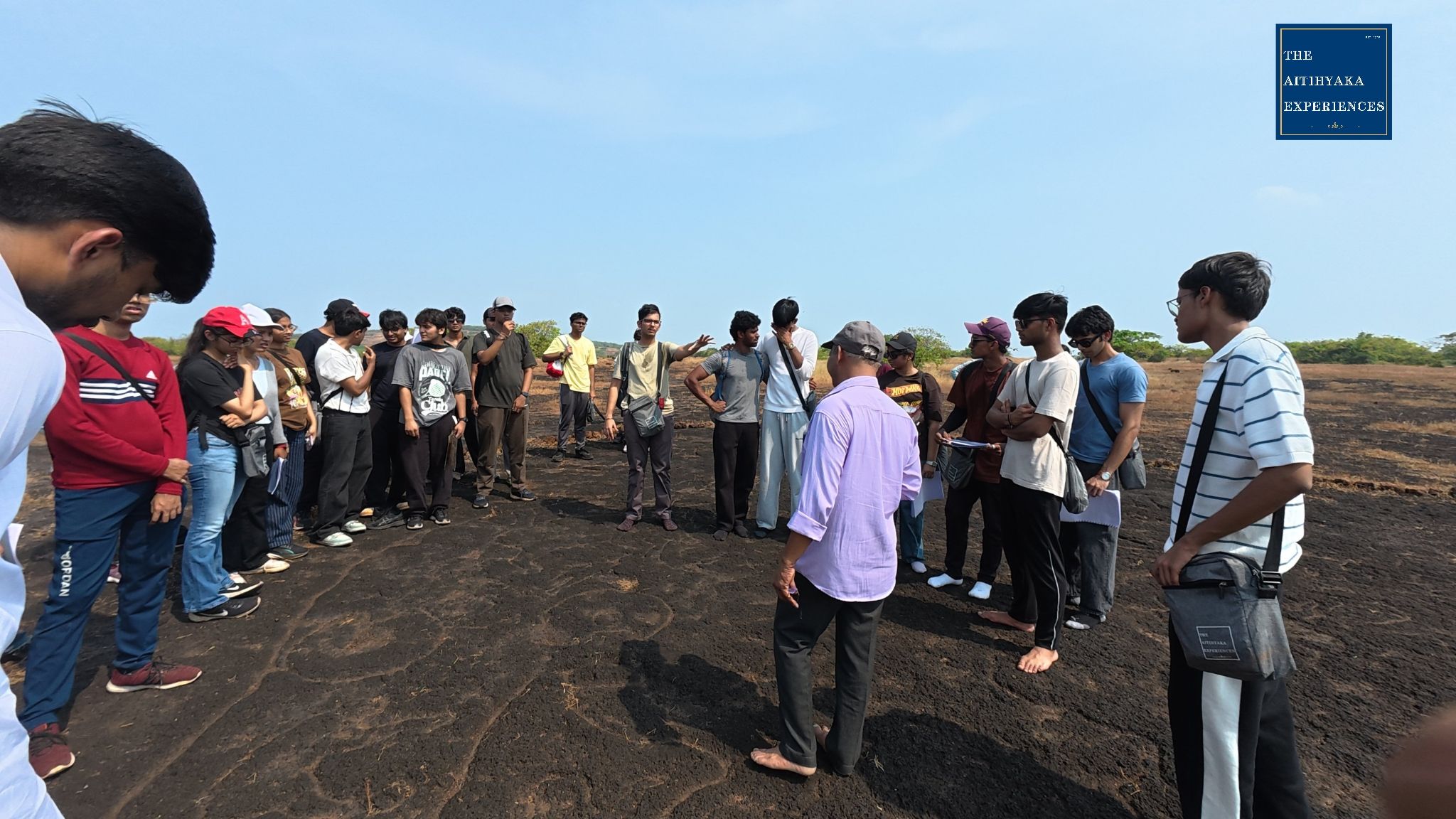
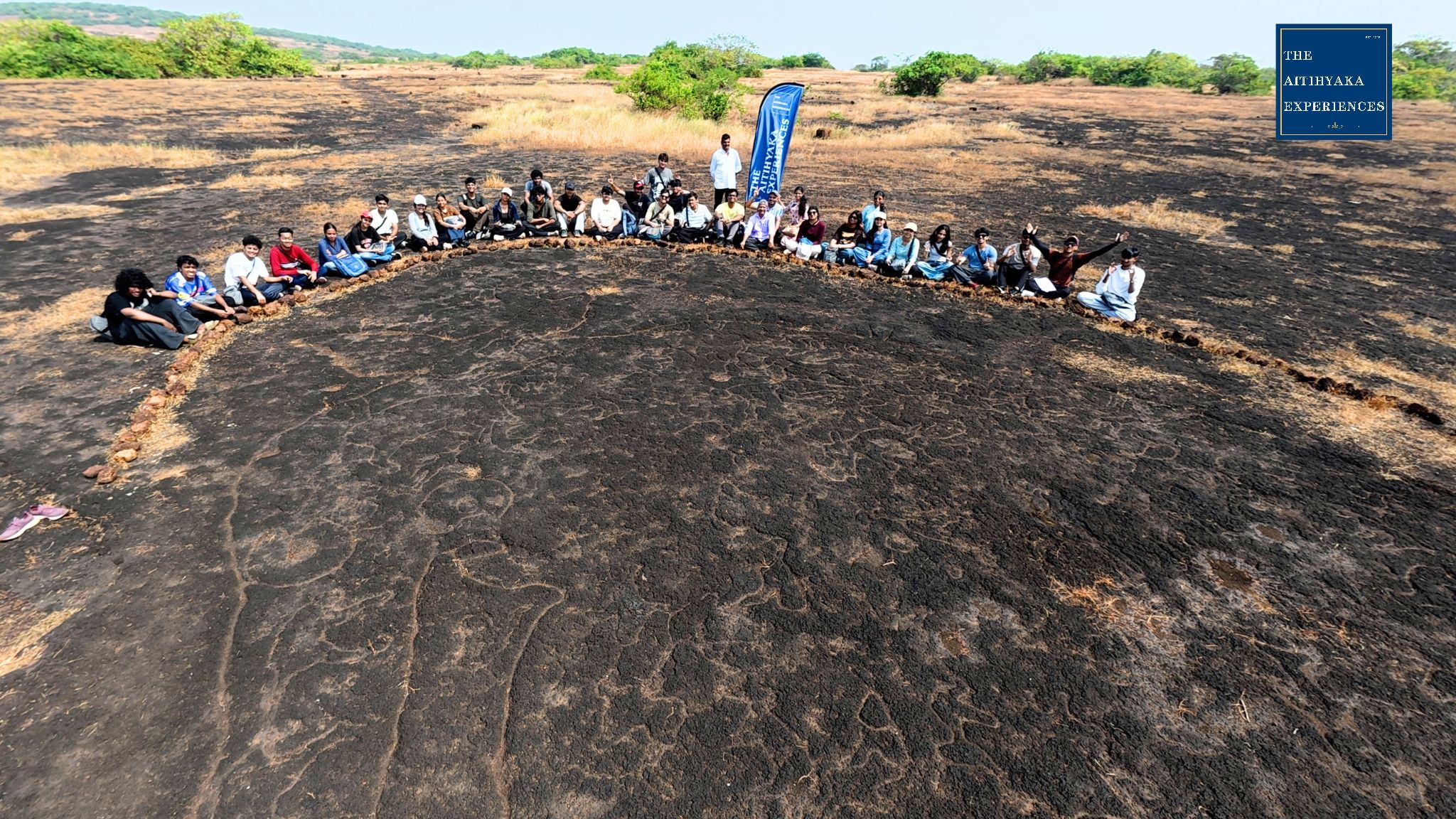
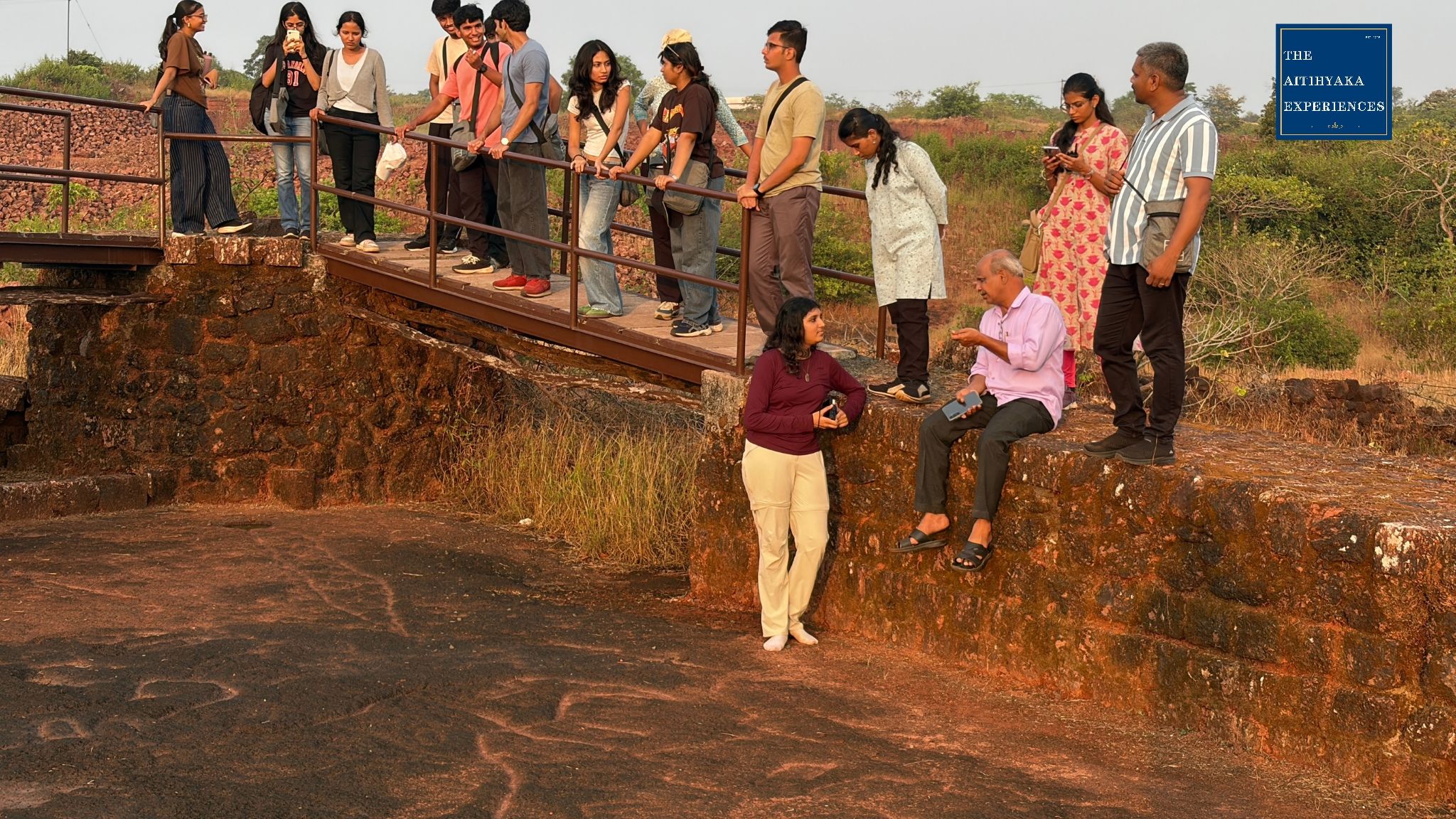
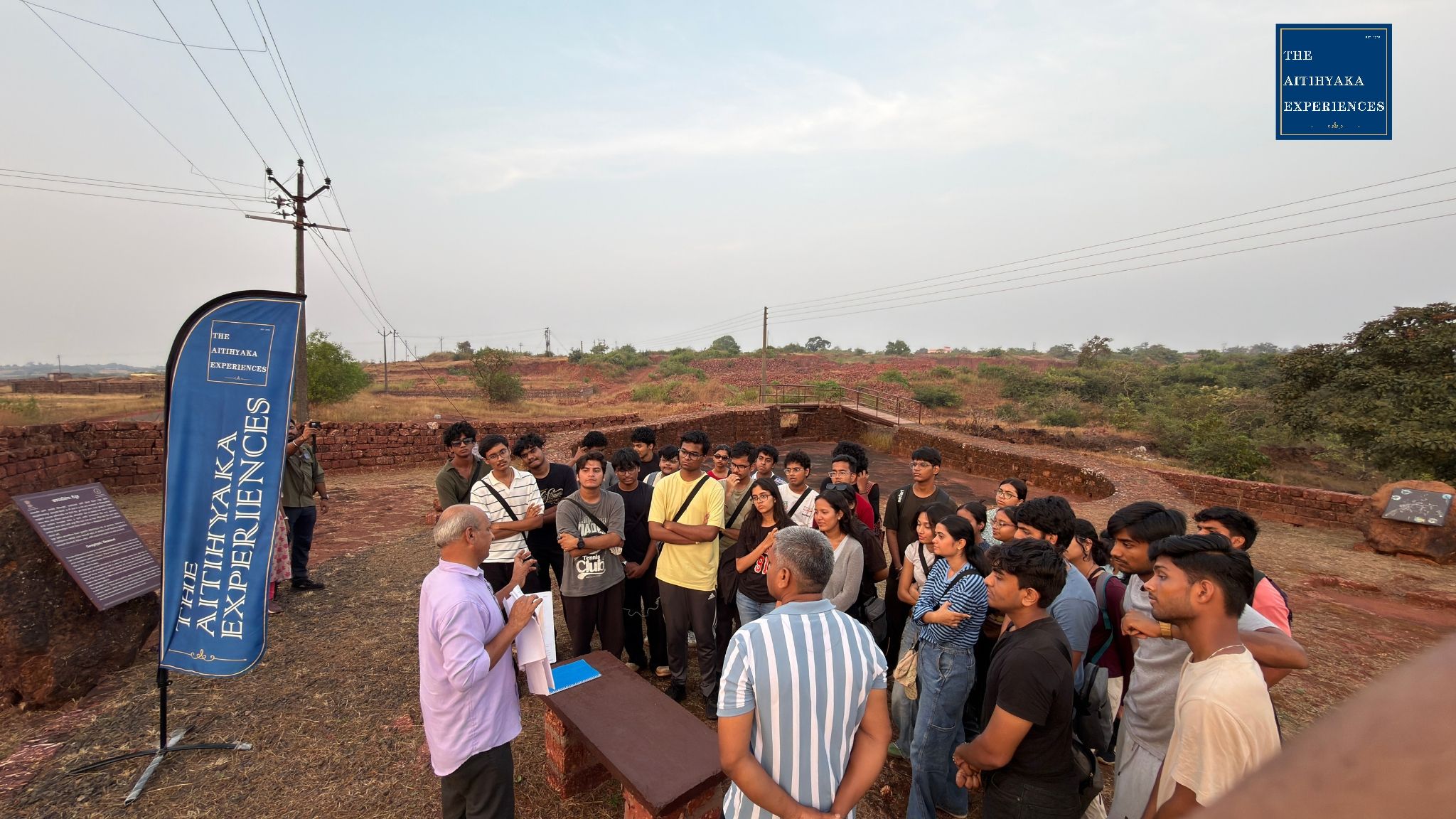
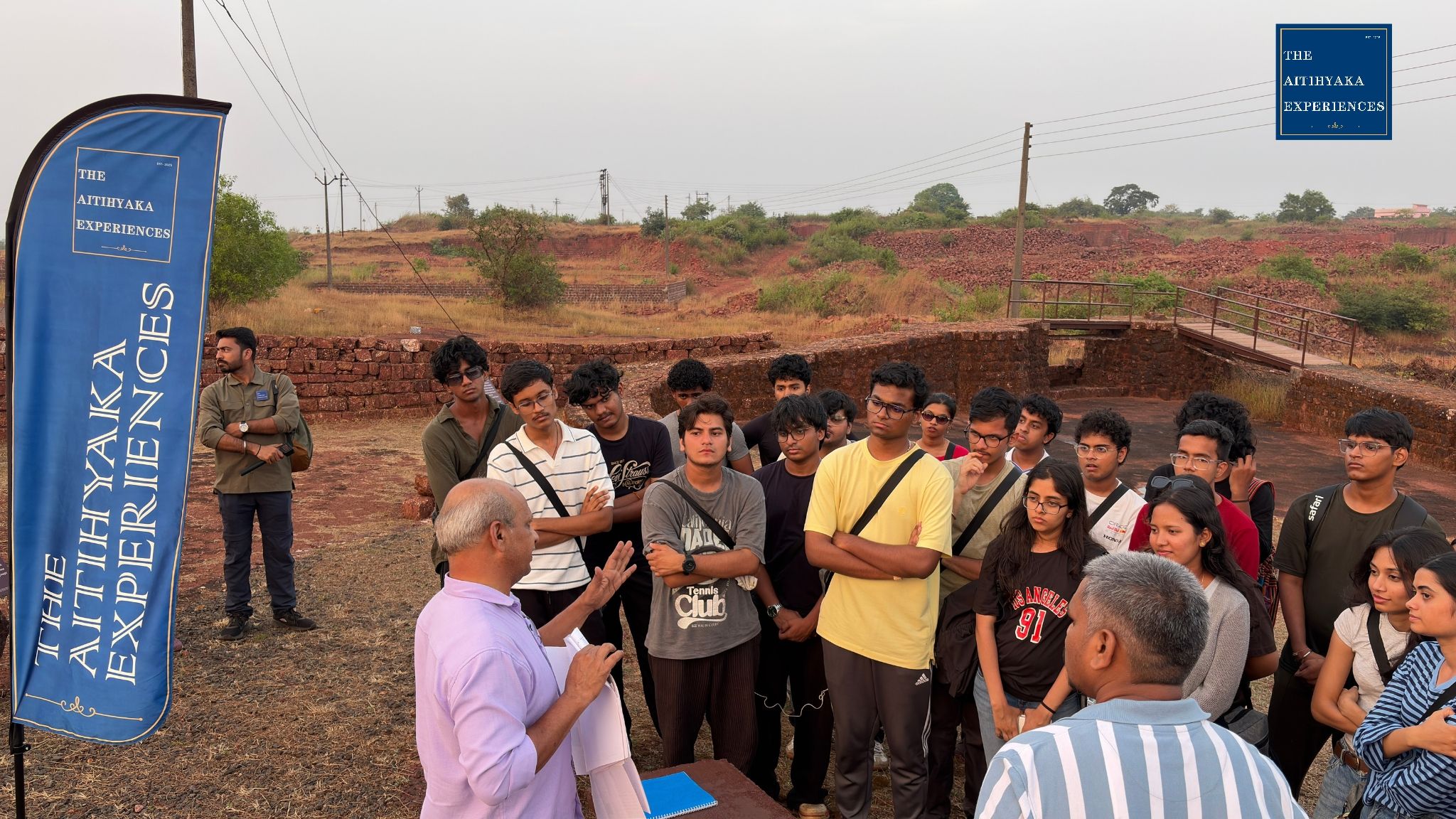
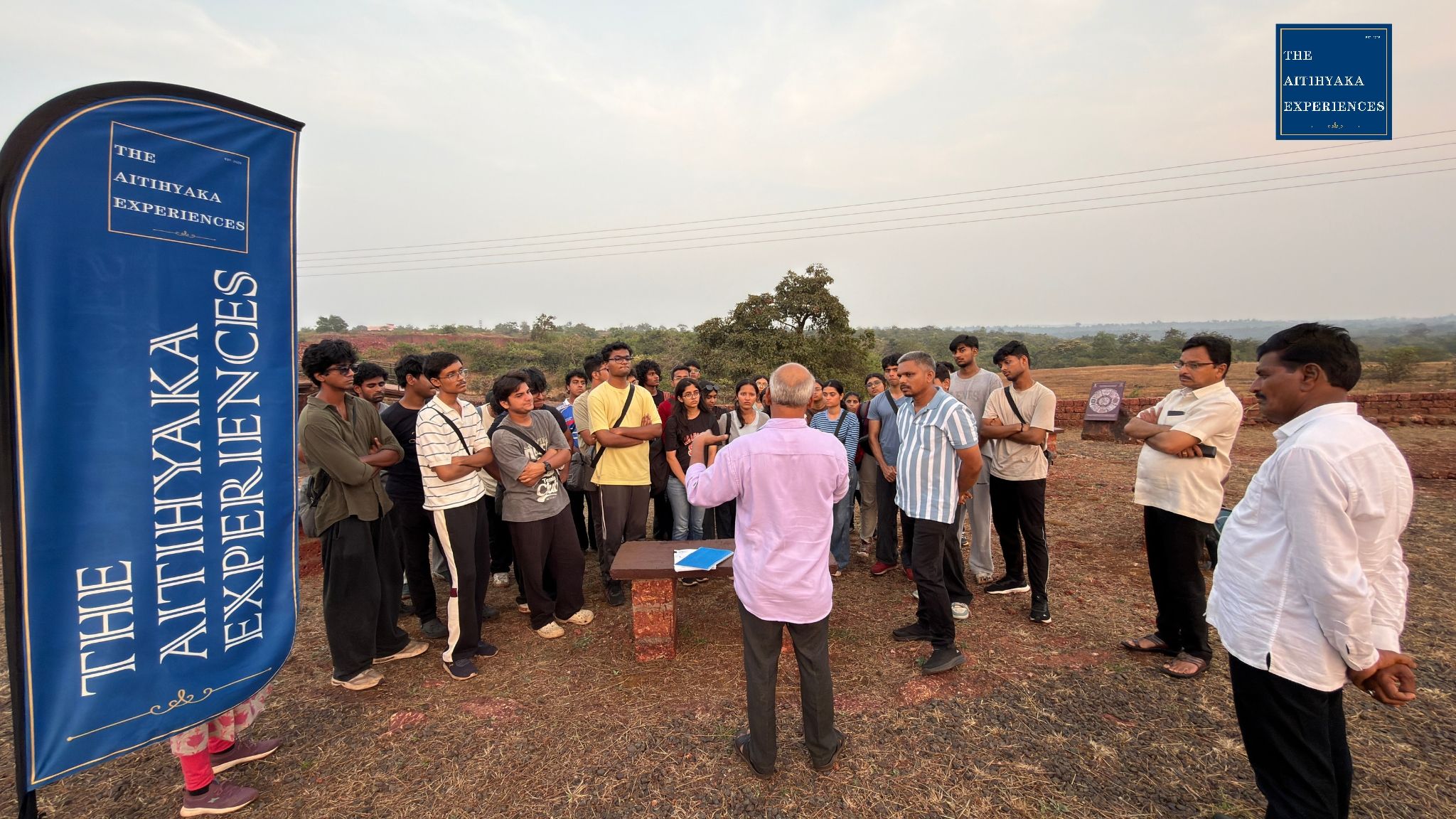
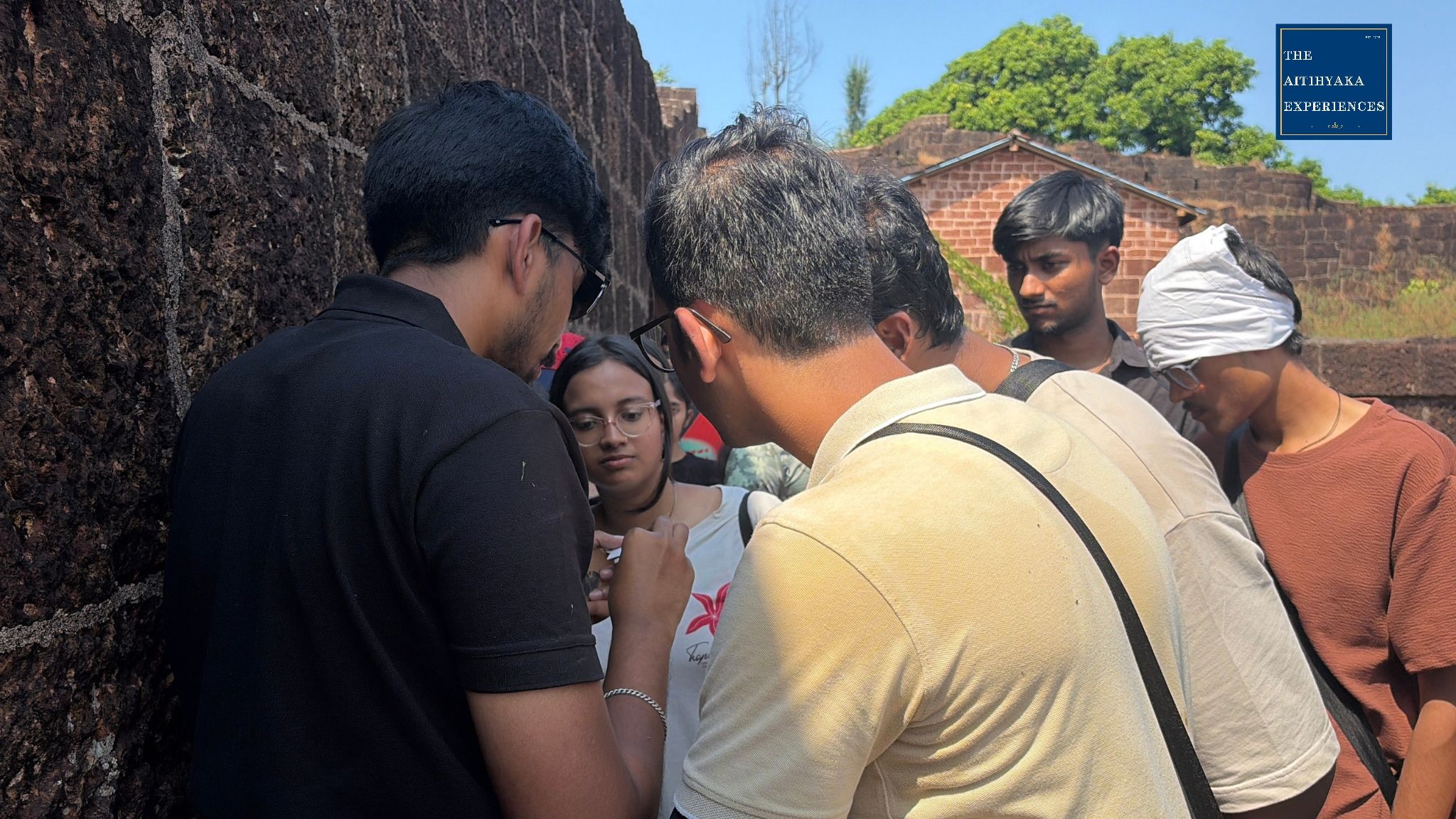
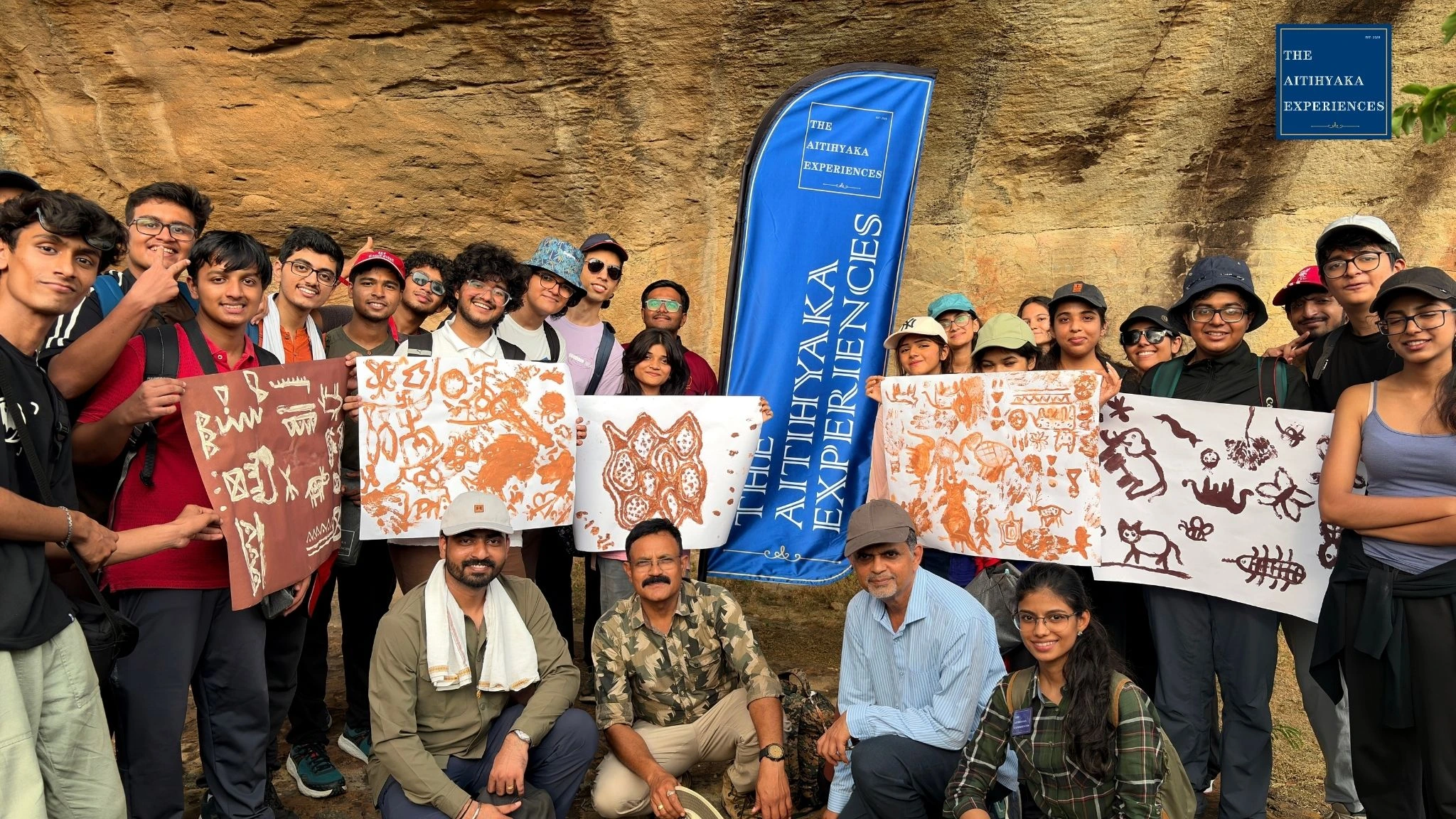
The programme introduced students to the prehistoric rock art of Ratnagiri through guided exploration of lateritic rock surfaces. Students searched for and identified probable engravings, observing animal, human and geometric motifs. The activity encouraged them to examine possible representations of prehistoric life and explore the relationship between early human communities, animals and their natural environment.
Maritime Heritage, Coastal Architecture and Numismatics
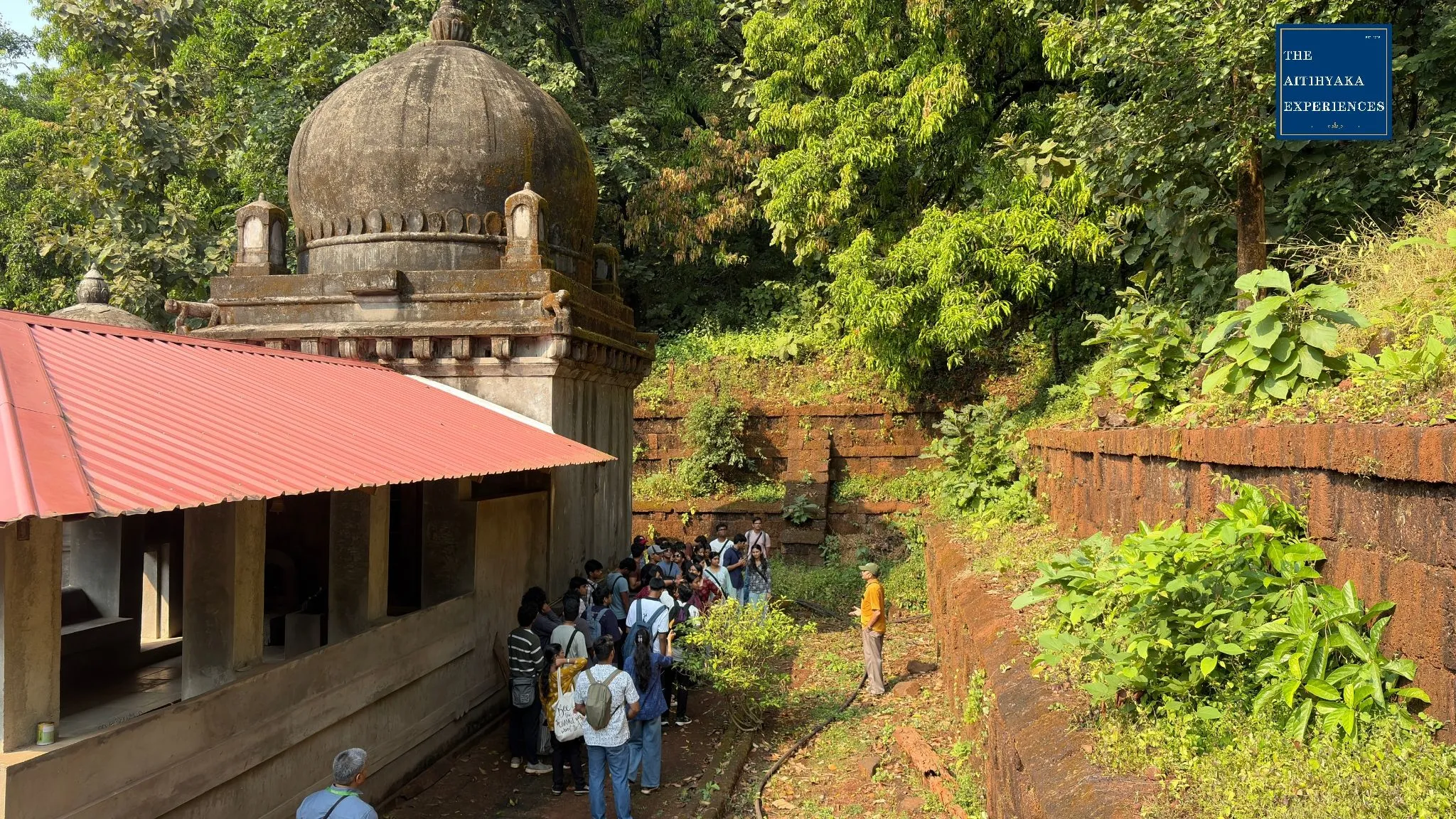
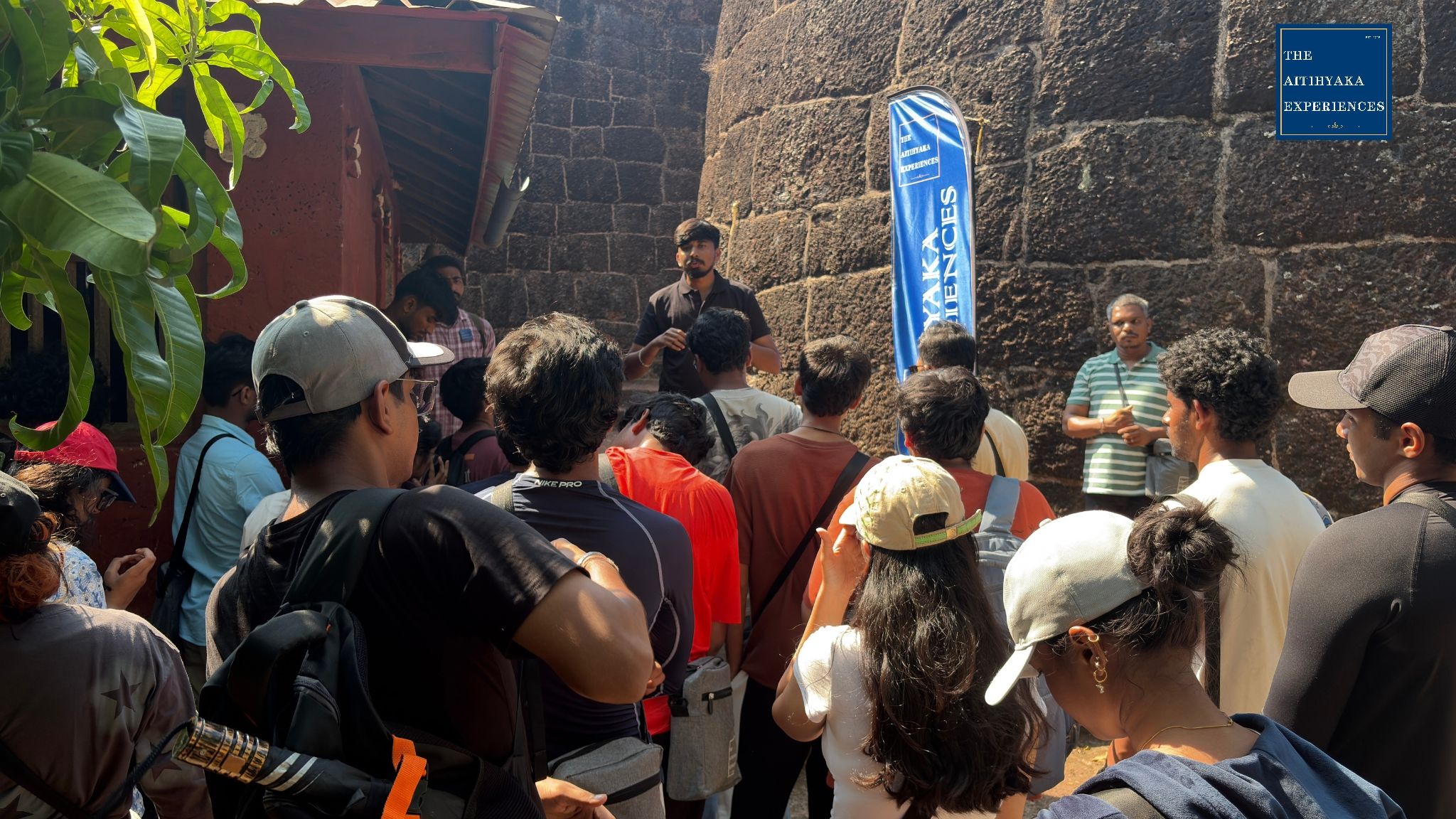
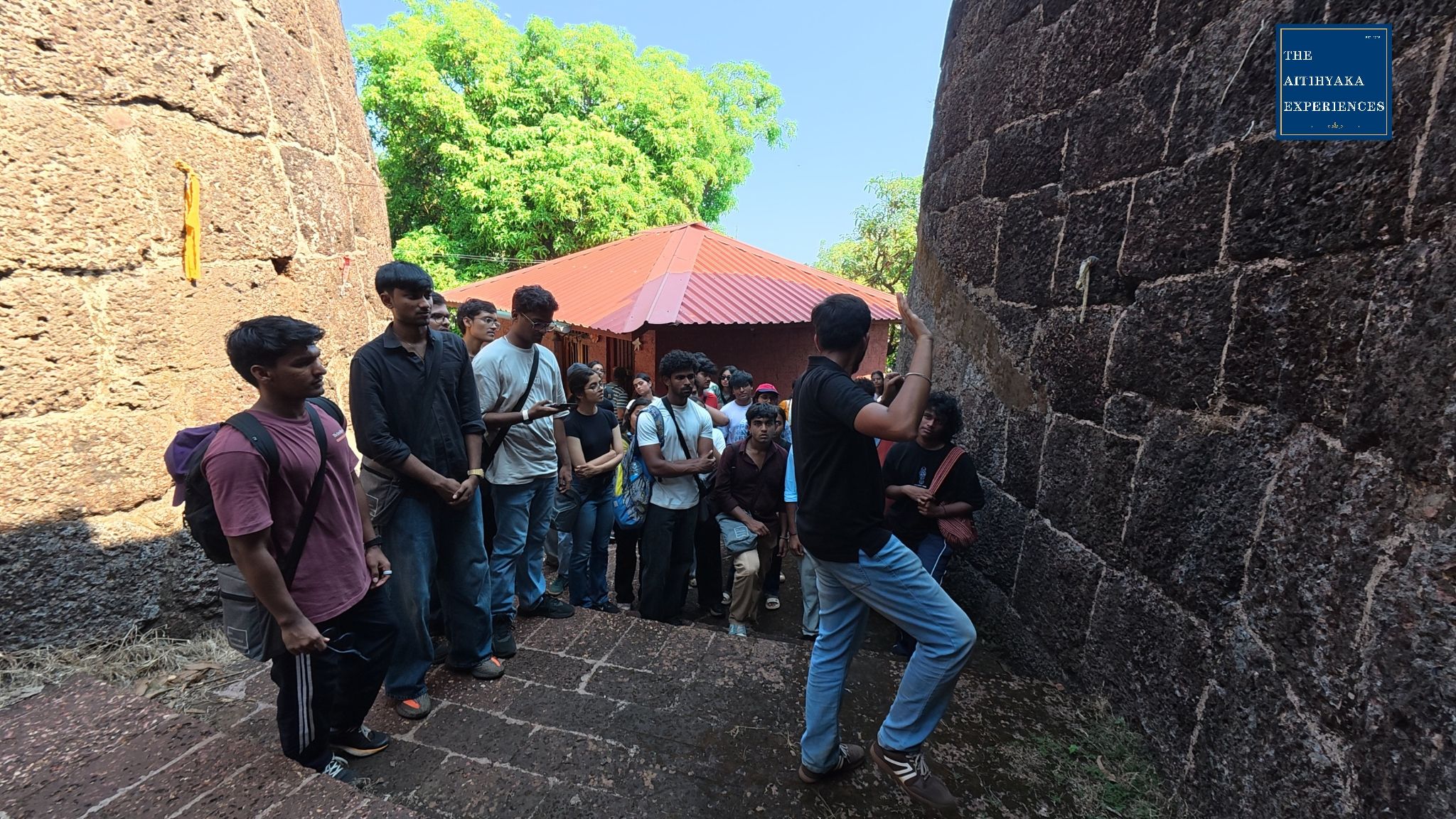
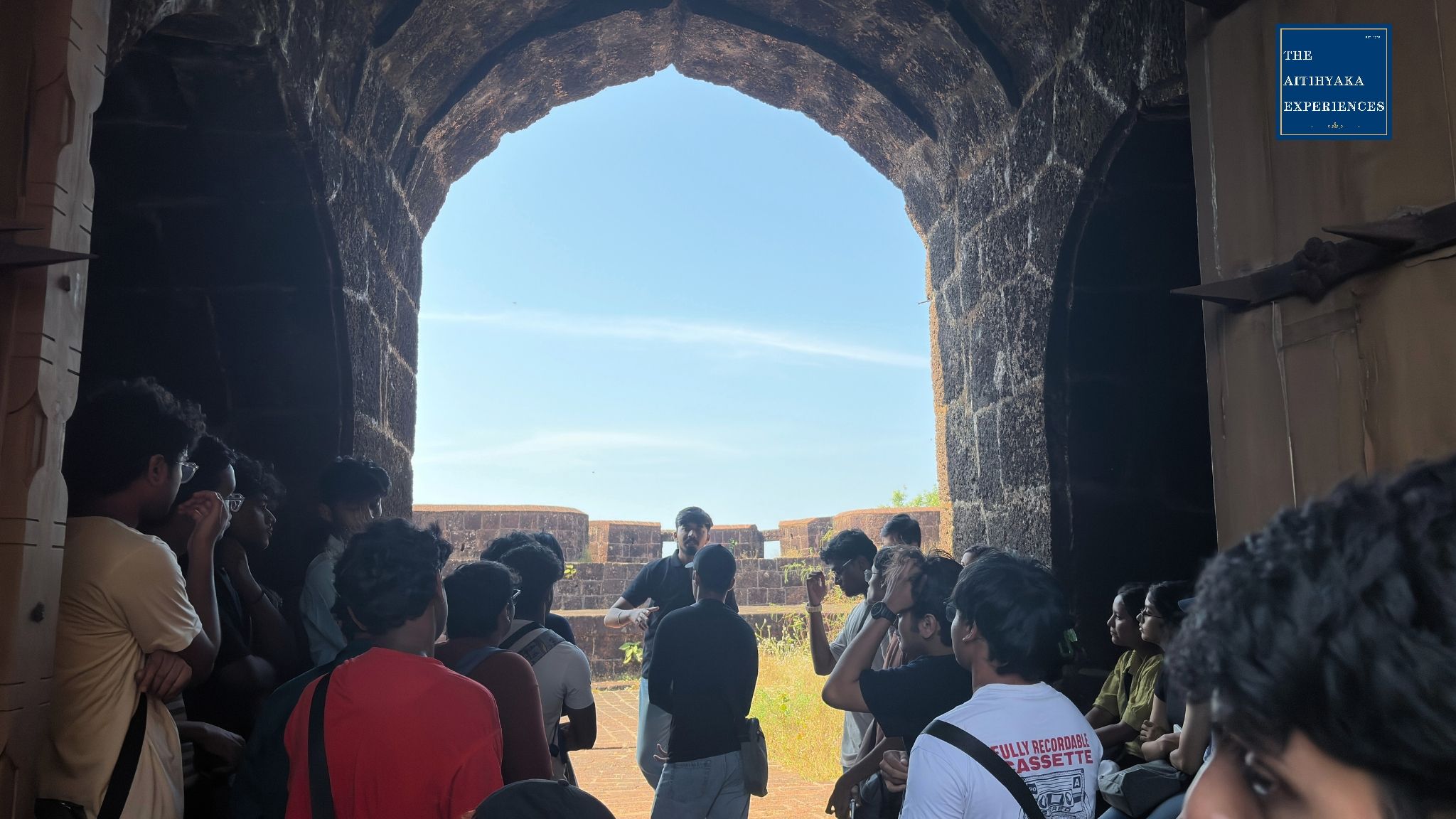
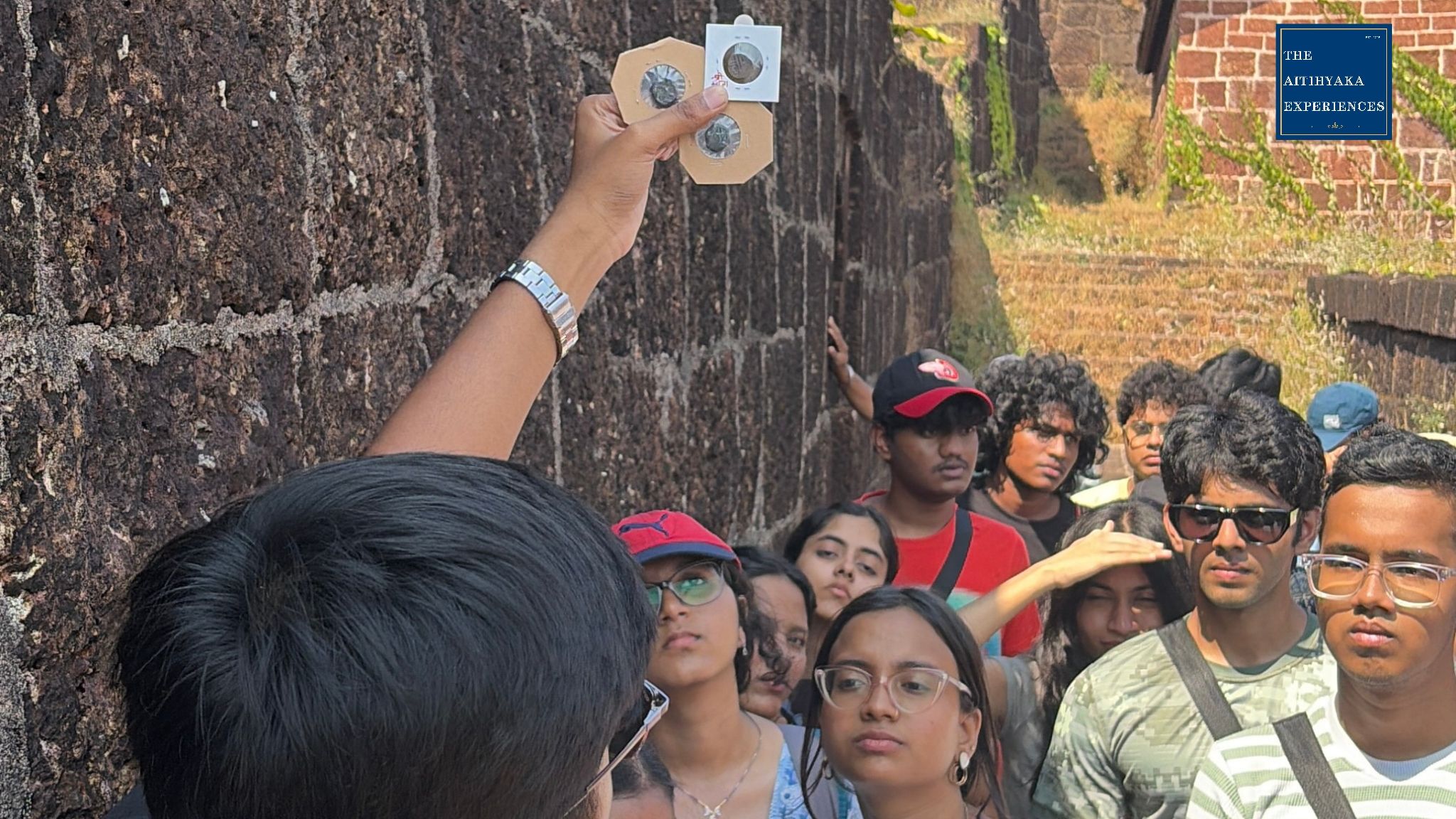
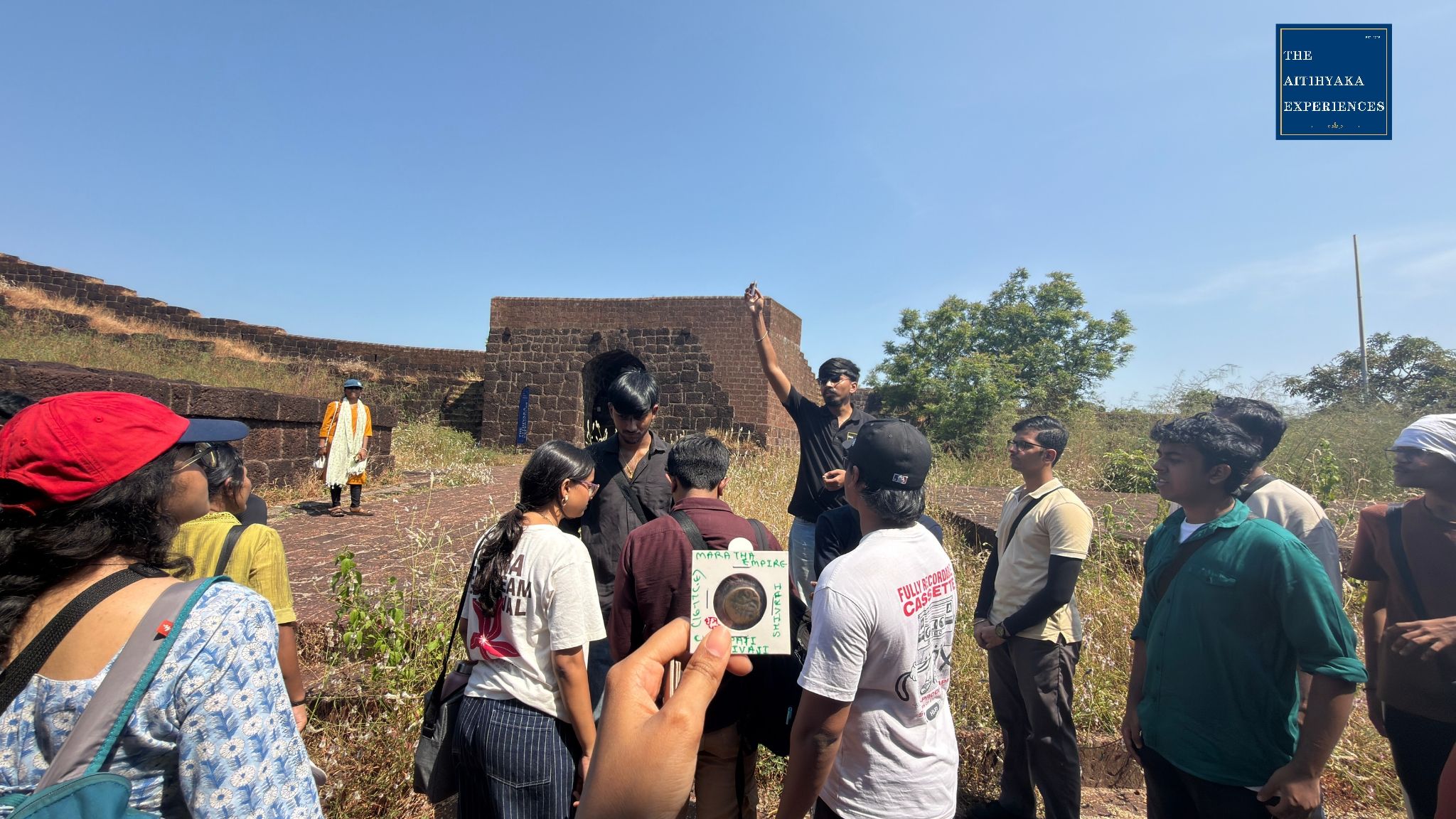
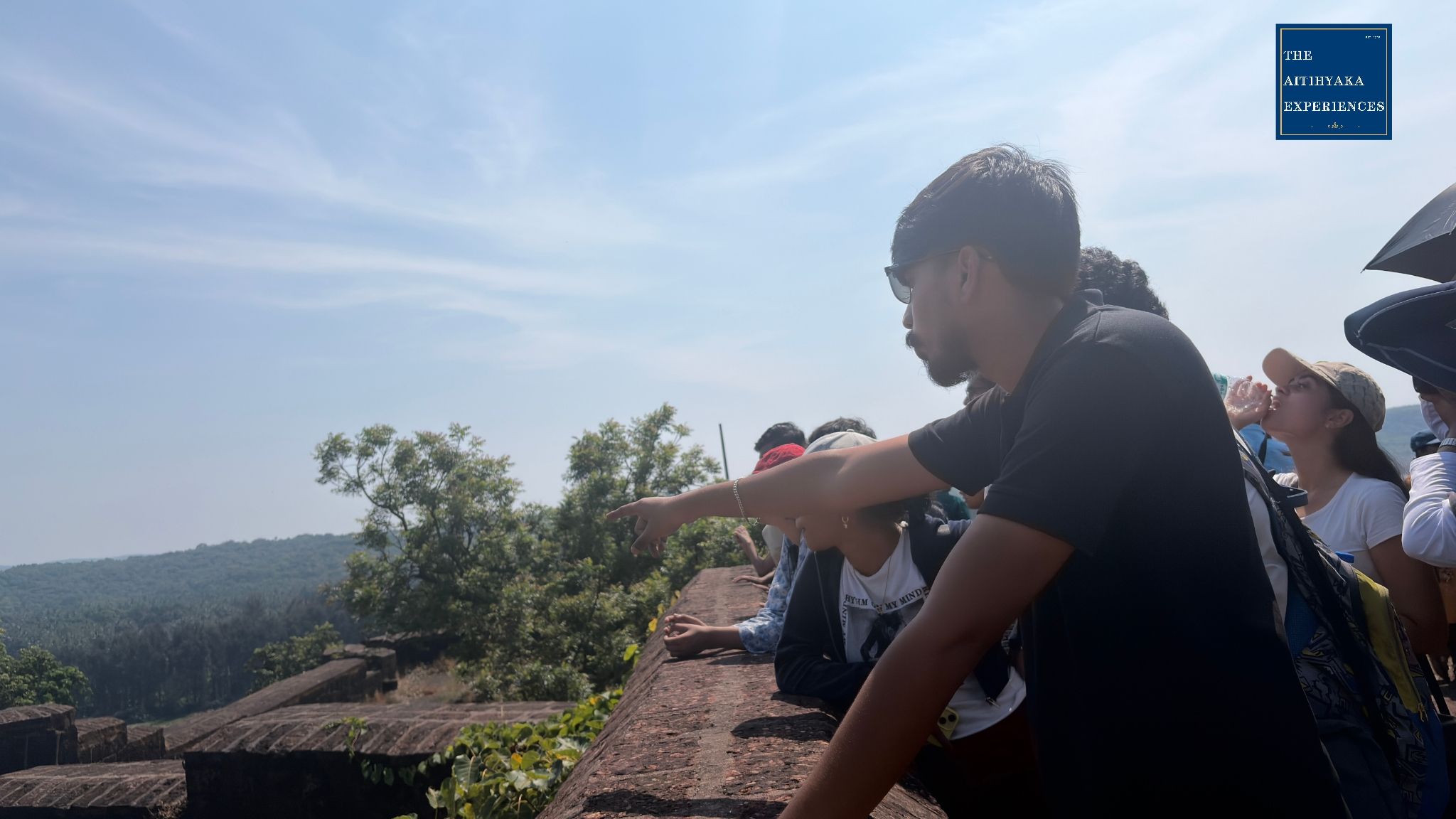
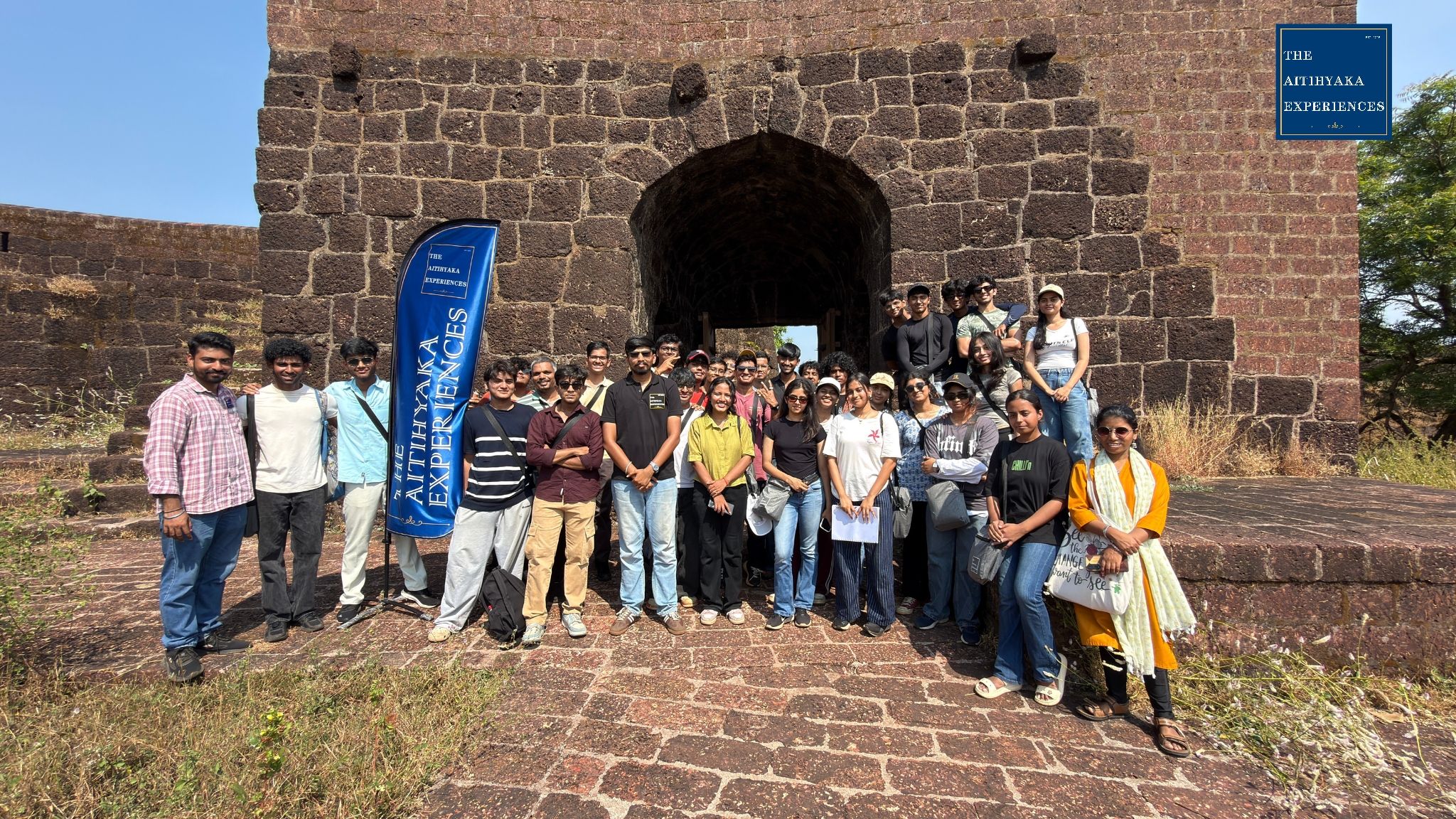
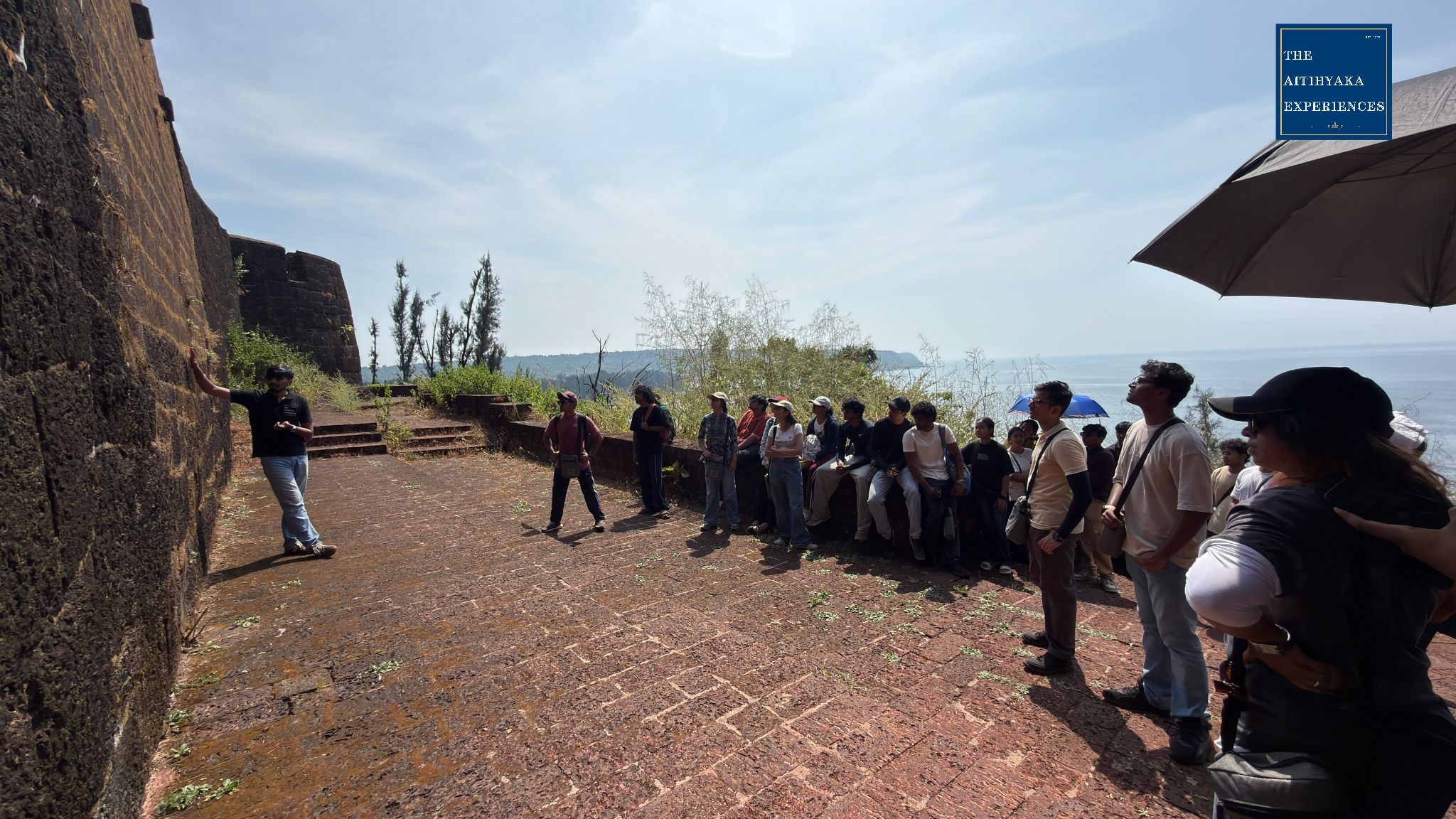
Students explored the architectural and strategic significance of historic coastal fortifications, examining their relationship with the surrounding coastal geography and maritime landscape. A hands-on numismatic activity introduced students to historical coins from different dynasties. Through the observation of coin forms, symbols and inscriptions, they explored coins as material sources for understanding political authority, dynastic identities and historical exchange.
Learning Through Field Engagement
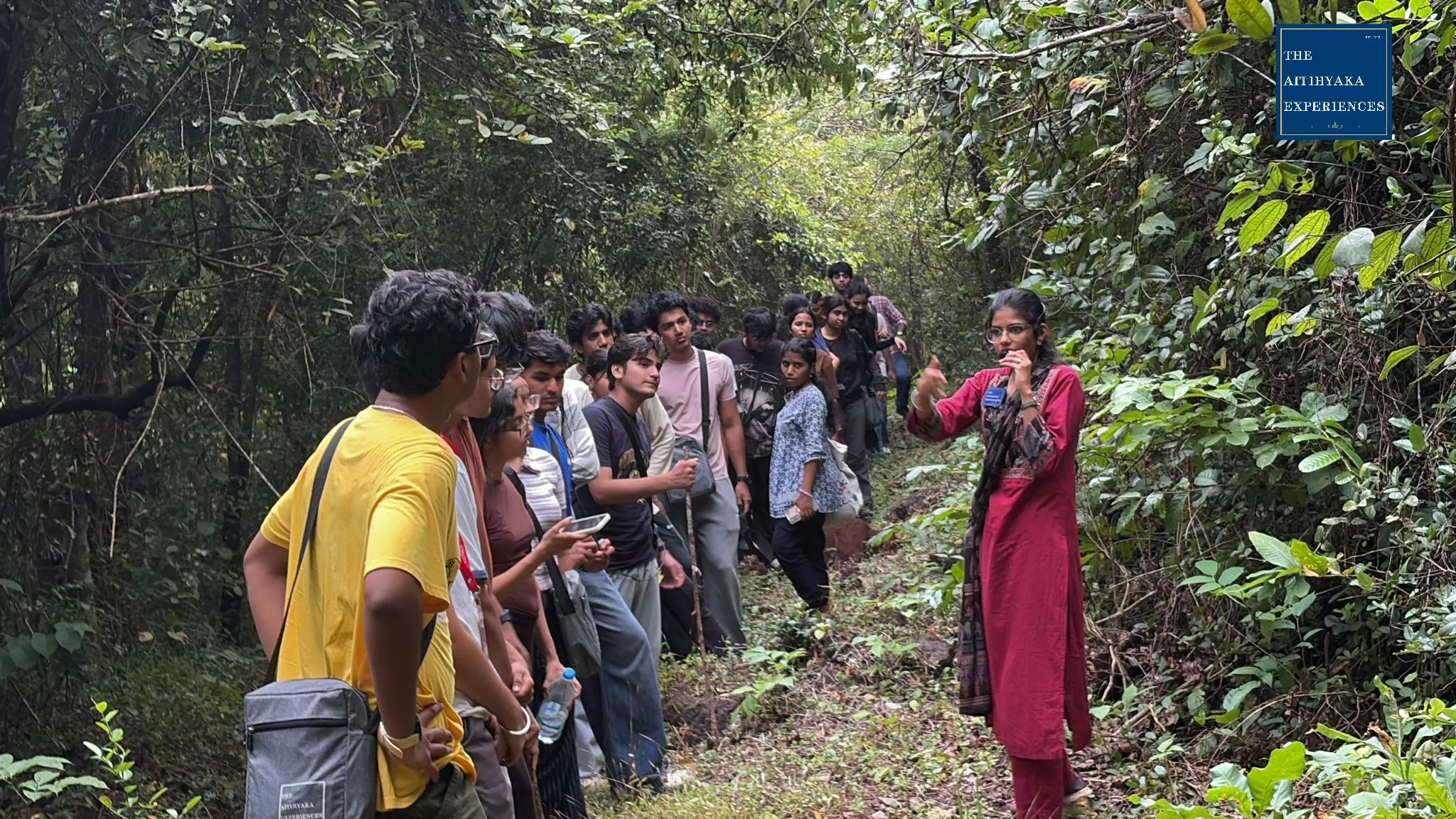
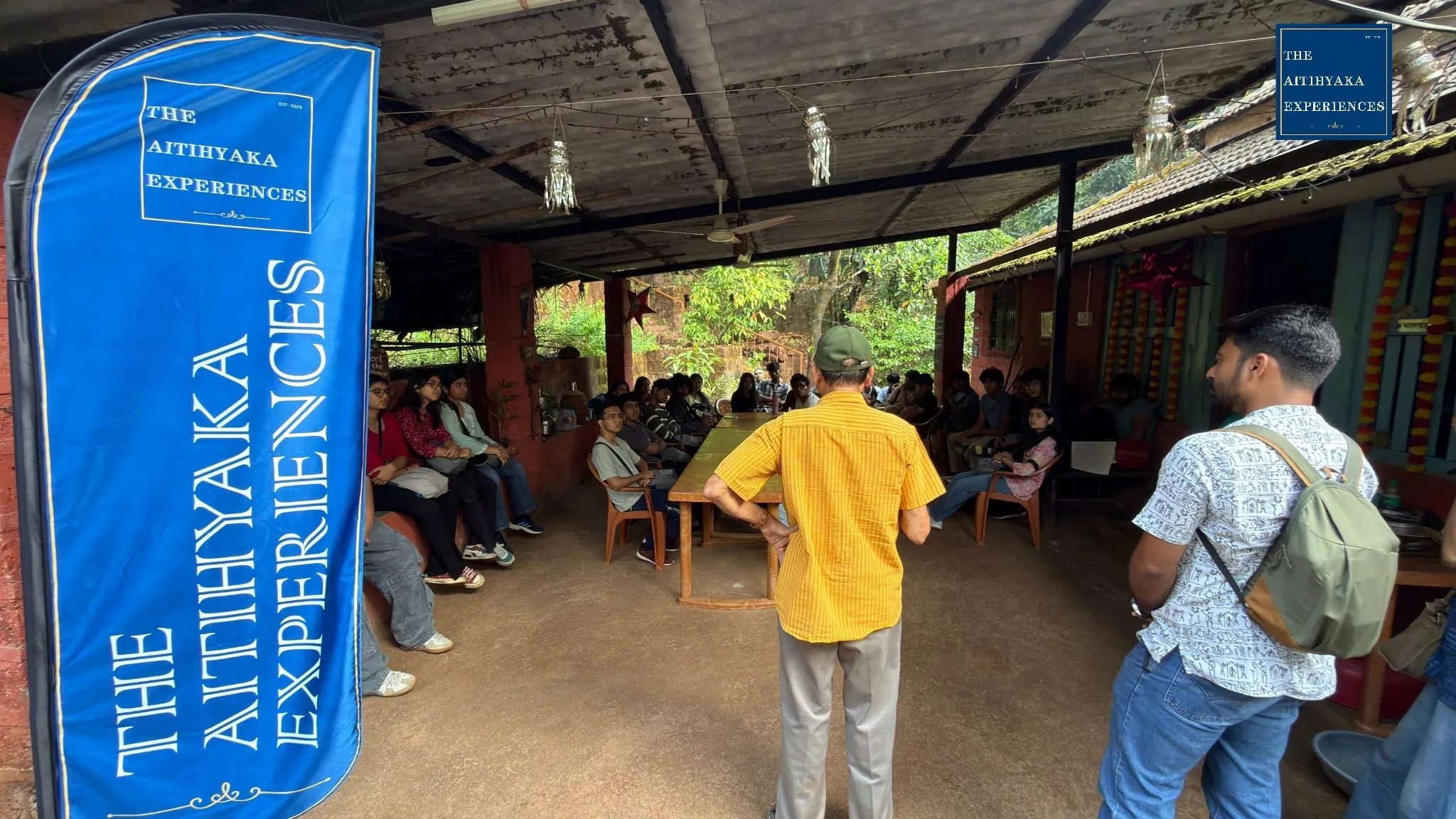
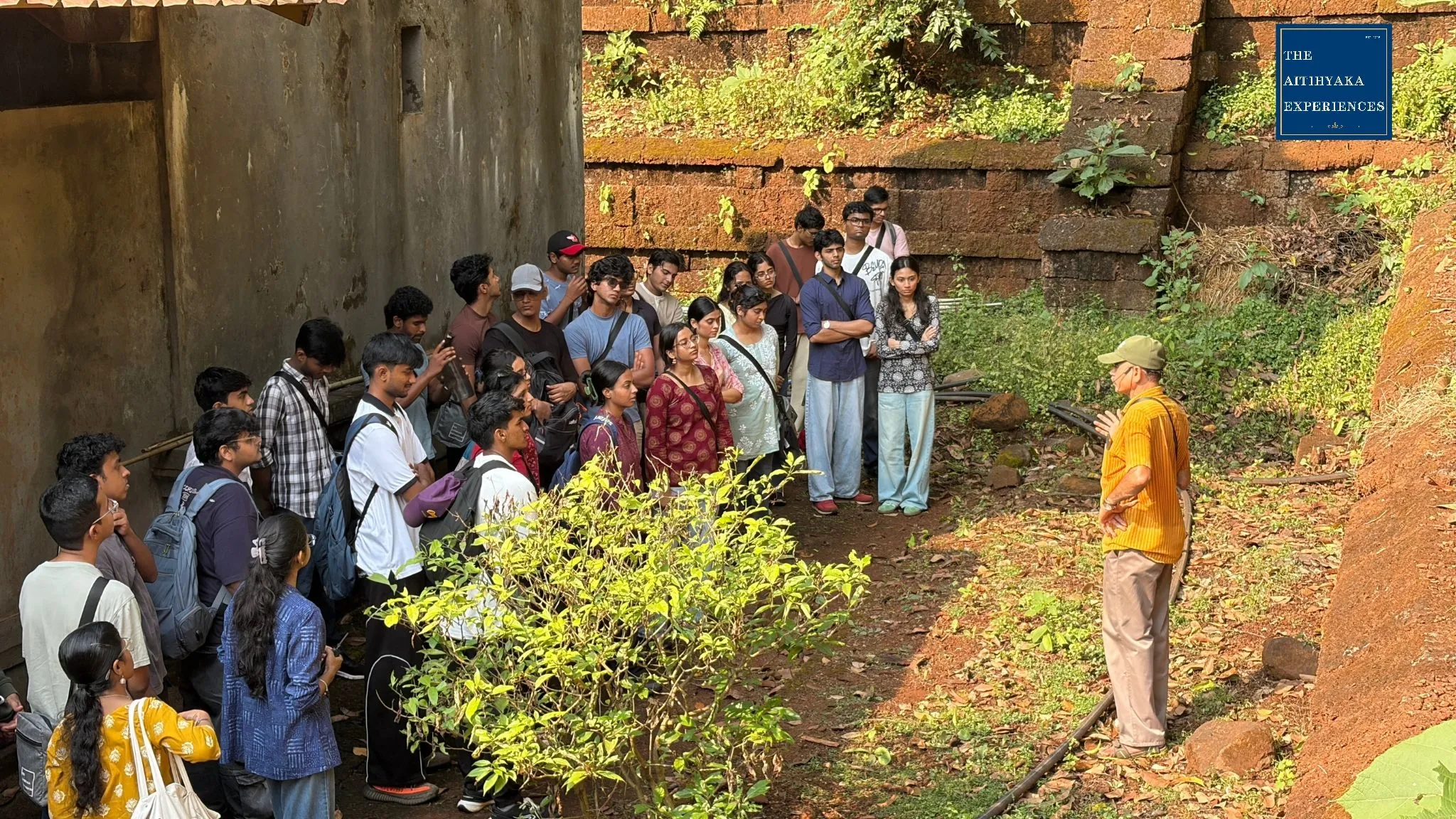
The programme combined guided field visits, direct observation, interactive discussions and practical activities. From examining marine specimens and traditional craft techniques to identifying rock art motifs and handling historical coins, students engaged with different forms of material and environmental evidence. These experiences encouraged observation, interpretation and interdisciplinary learning beyond conventional classroom settings.
Aitihyaka Experiences: Learning Beyond the Classroom
At Aitihyaka Experiences, we develop field-based learning programmes that connect students with the ecological, historical and cultural dimensions of places. Through experiential engagement, interdisciplinary exploration and interaction with local knowledge systems, we aim to make learning contextual, participatory and grounded in real-world environments.