Interpreting Living Traditions: Bahurupi at CSMVS
A Bahurupi performance was facilitated at the Chhatrapati Shivaji Maharaj Vastu Sangrahalaya, bringing a living folk tradition from Vidarbha into the museum environment. Conducted through Narrative Trails, the engagement explored performance as a mode of interpretation, activating the gallery space and connecting audiences with ongoing cultural practices beyond static display.
Introduction
Bahurupi Art Performance: A Celebration of Living Traditions
The Work
On 18th October 2025, in the festive spirit of Diwali, the galleries of Chhatrapati Shivaji Maharaj Vastu Sangrahalaya were animated with colour, movement, and storytelling through a captivating Bahurupi Art performance a vibrant tribute to India’s living traditions and intangible cultural heritage.
Organized in collaboration with Narrative Trails, the programme brought the dynamic world of folk performance into the museum, creating an engaging cultural encounter of an intangible heritage for visitors of all ages.
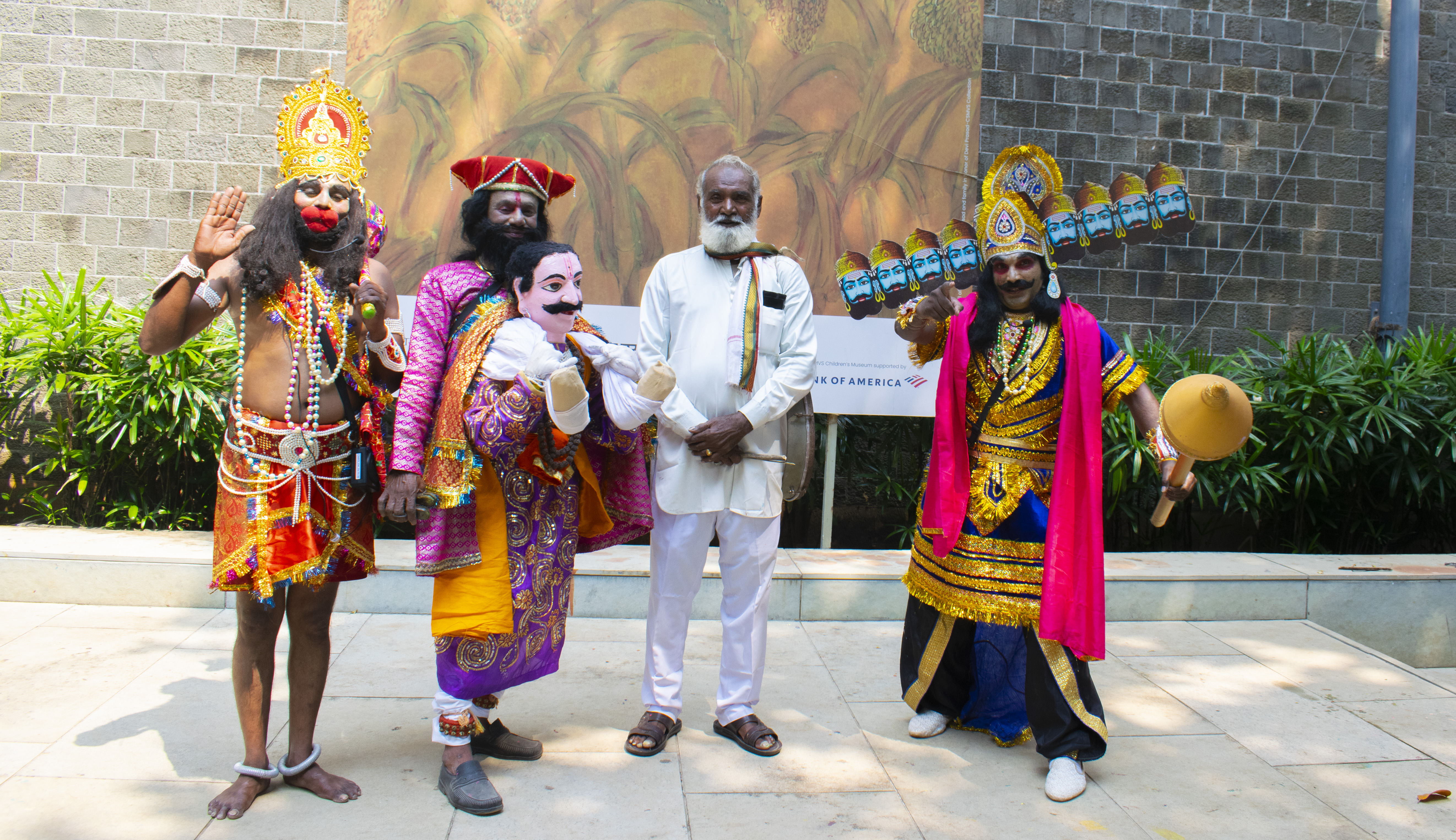
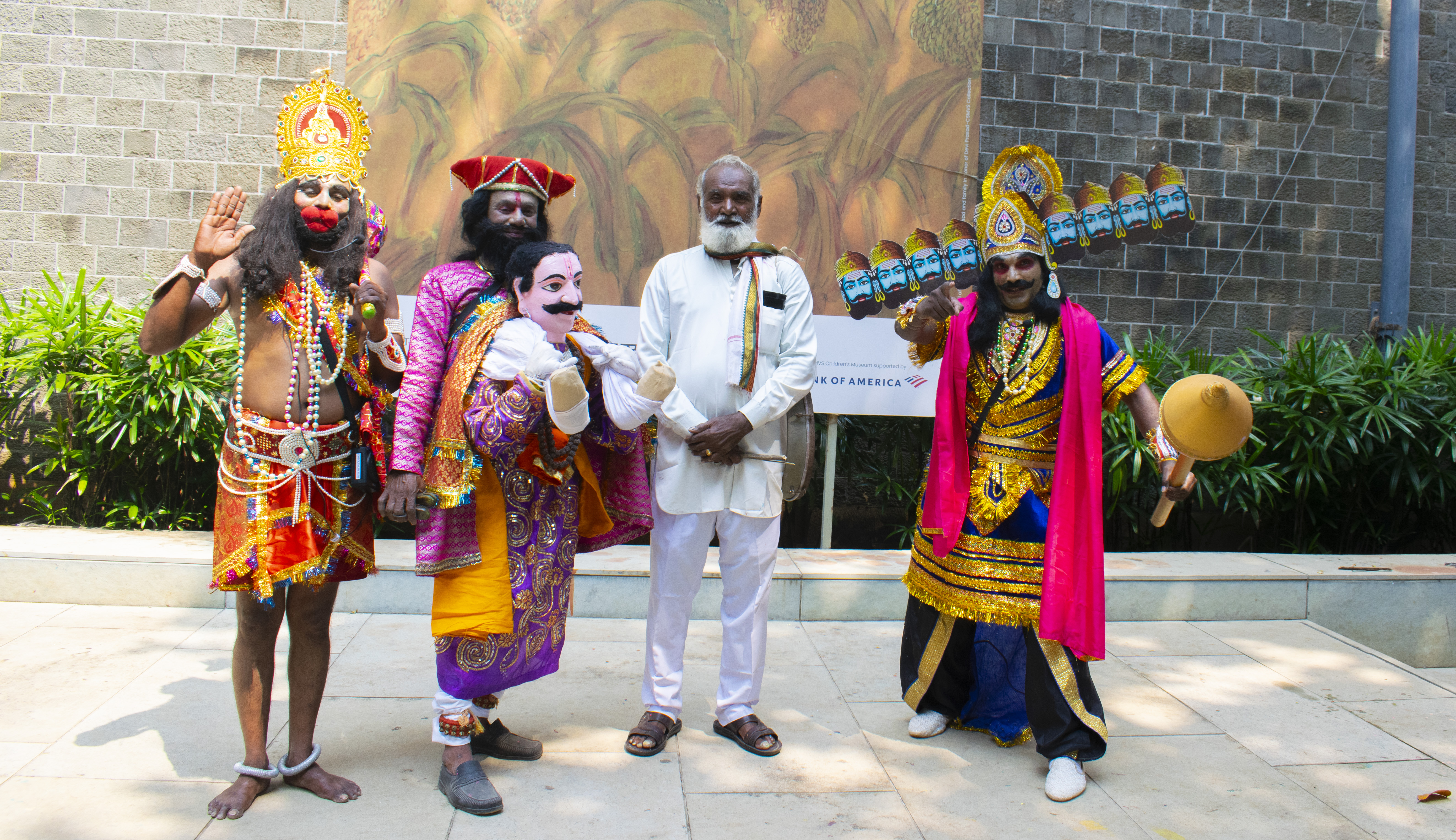
The Bahurupi artists, who hail from the Vidarbha region of Maharashtra, arrived in striking traditional costumes and intricately painted faces, instantly drawing the attention of visitors. Their dramatic presence and lively expressions transformed the museum environment into a festive cultural spectacle. Moving through the galleries, the performers animated the spaces with humour, gestures, and spontaneous interactions that delighted audiences.
Children watched with wide-eyed curiosity, laughter echoed through the corridors, and families eagerly followed the performers across the museum. Visitors interacted warmly with the artists posing for photographs, exchanging smiles, and learning about the characters and stories embodied through this traditional performance practice.
The Bahurupi tradition represents a distinctive form of folk expression in which artists assume multiple identities through elaborate costumes, makeup, and theatrical improvisation. Historically, Bahurupi performers travelled from village to village narrating mythological tales, folklore, and social narratives, bringing storytelling and entertainment directly to communities. Oral histories and regional accounts also suggest that during the time of Chhatrapati Shivaji Maharaj, some Bahurupi performers used their remarkable ability to disguise themselves and move unnoticed across settlements to serve as informal messengers and spies, gathering information while blending seamlessly into different social settings.
Today, this centuries-old tradition continues through the dedication of folk artists who carry forward its rich legacy. By bringing Bahurupi performers into the museum space, the programme not only celebrated a vibrant art form but also offered visitors a meaningful glimpse into a living tradition that reflects the creativity, resilience, and cultural depth of India’s folk heritage. The event transformed the museum into a lively cultural stage where festivity and heritage converged, offering a reminder that museums are not only custodians of the past but dynamic spaces where culture continues to live, perform, and inspire.