The Pink Phenomenon - Flamingos and Wetland Ecology in Mumbai
Each year, Mumbai’s coastal wetlands undergo a subtle yet significant transformation. What appears to be still, empty mudflats gradually becomes a dynamic ecological space as flamingos arrive in large numbers. This seasonal occurrence, often perceived as a visual spectacle, is in fact a direct outcome of complex interactions between tidal cycles, nutrient availability, and habitat conditions making it a powerful indicator of wetland health.
Introduction
Mumbai’s coastal wetlands reveal their ecological significance most clearly during the arrival of flamingos. Seemingly still mudflats transform into productive habitats, shaped by tidal movements and nutrient-rich conditions that support a complex food web. This seasonal influx is not merely visual it represents the outcome of interconnected processes that sustain biodiversity within the landscape.
The Work
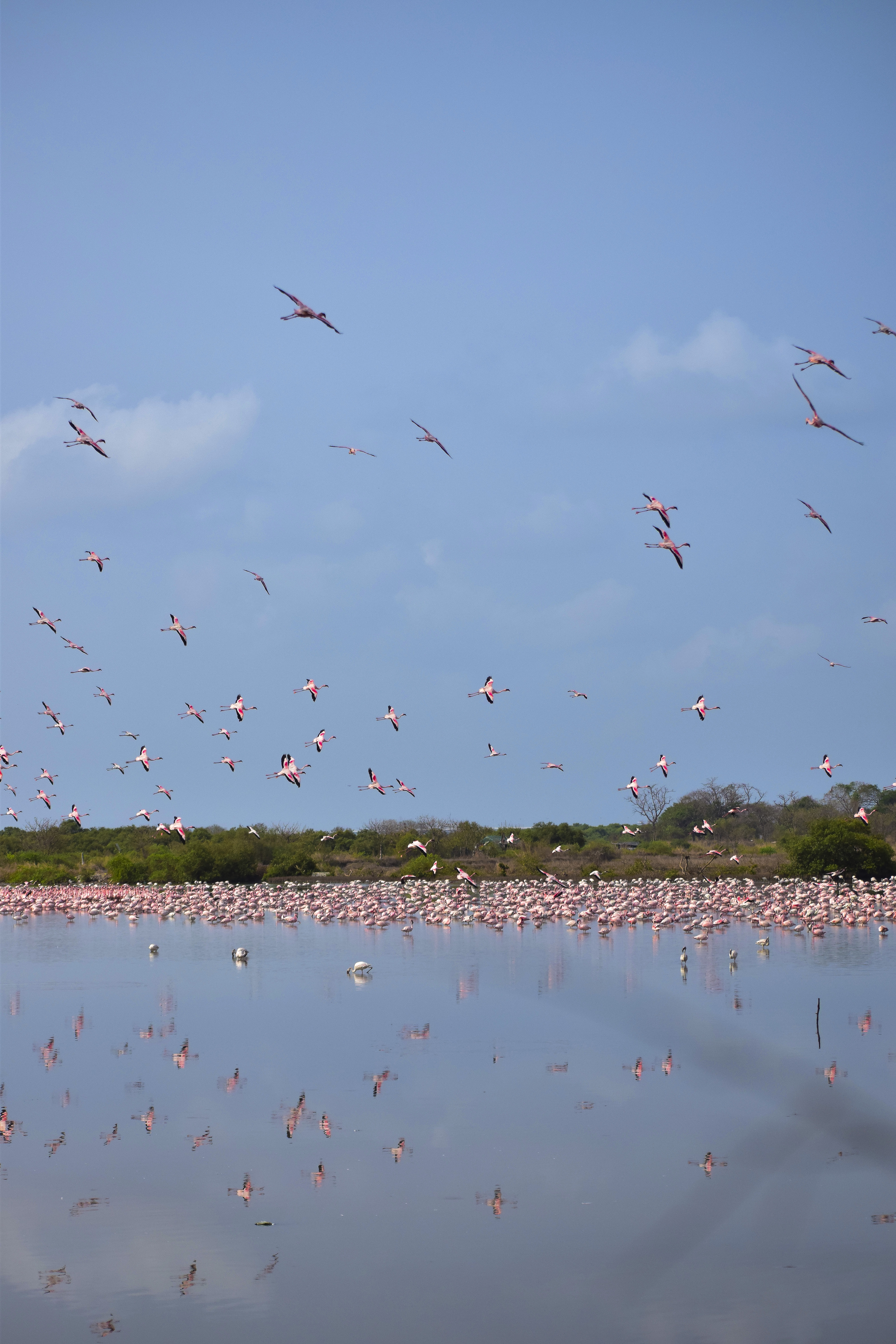
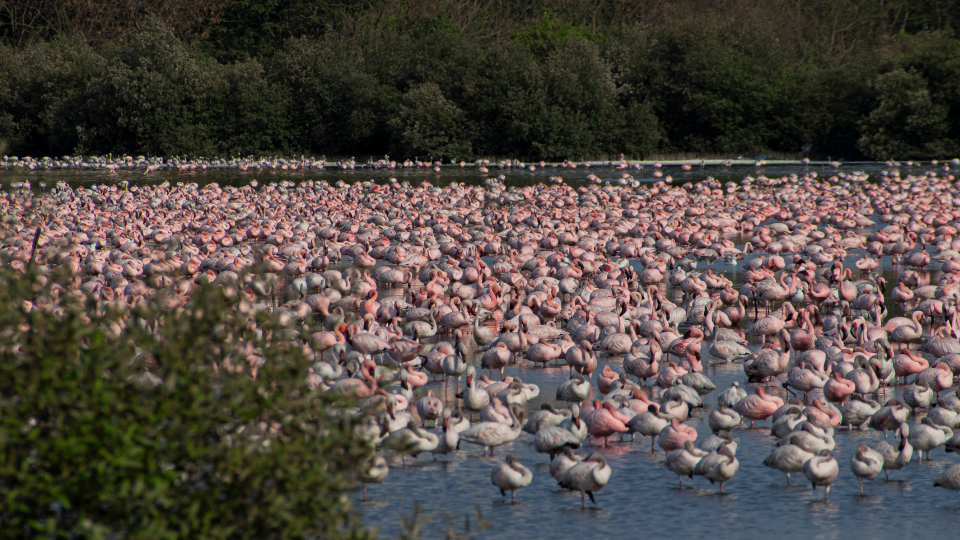
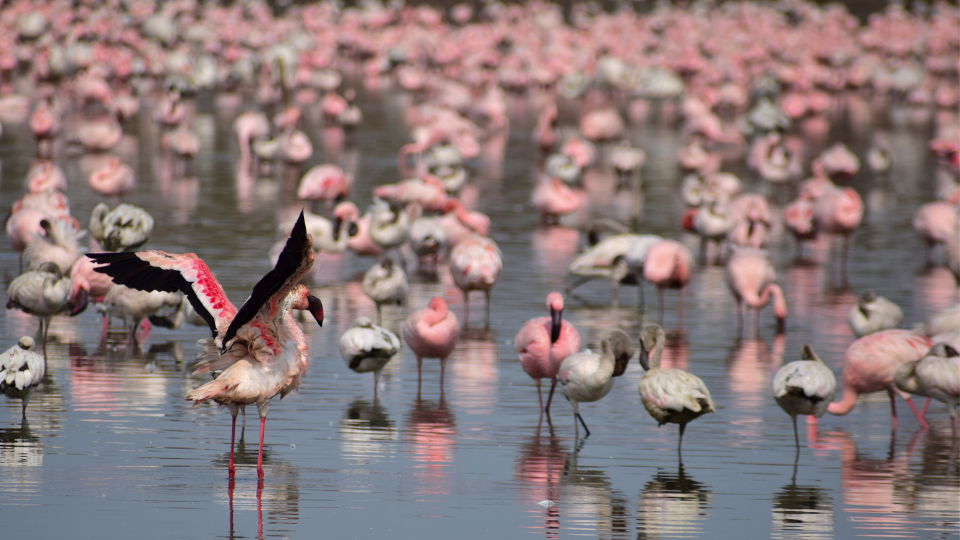
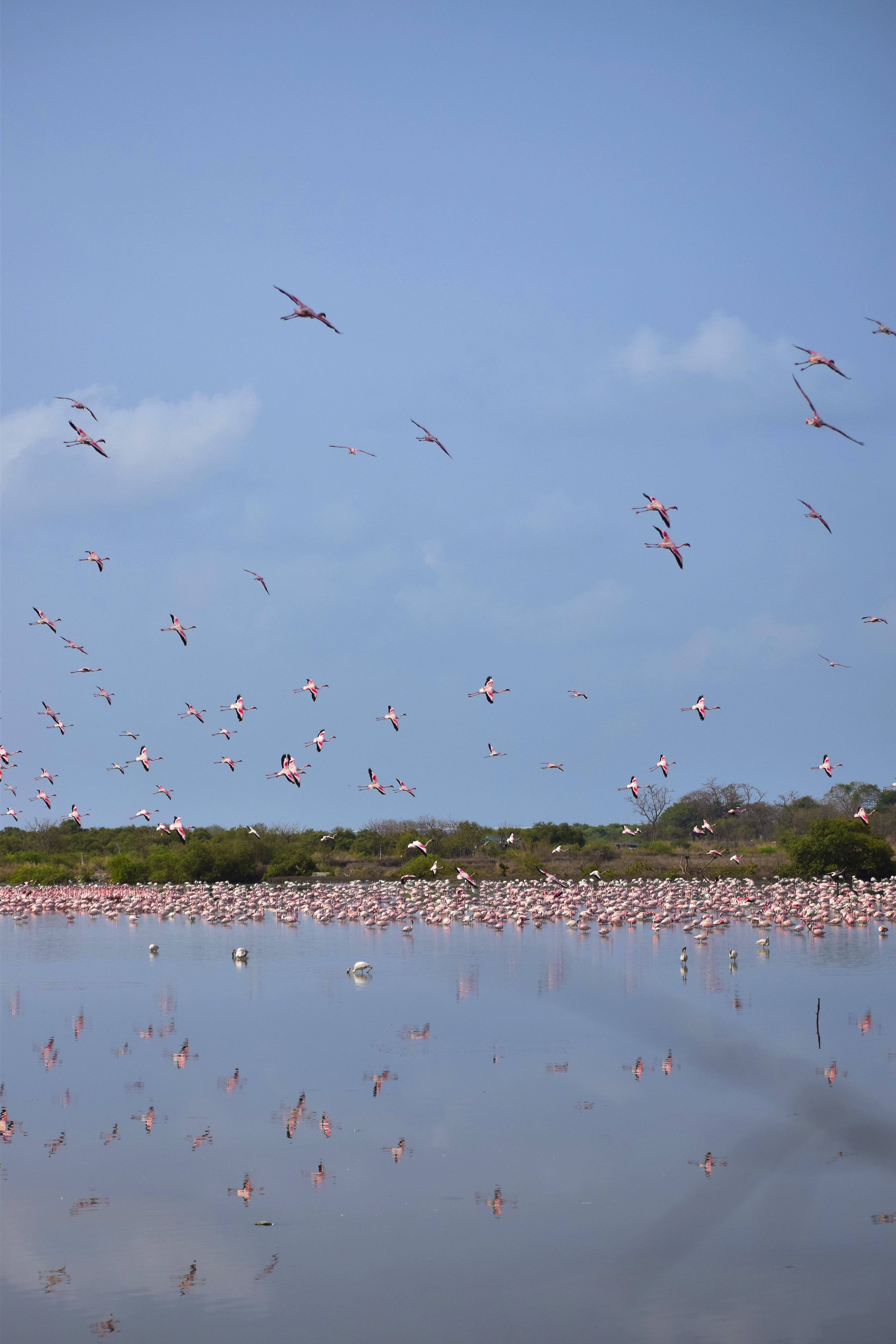
Each year, along the tidal edges of Mumbai, the wetlands undergo a quiet yet remarkable transformation. What may appear as vast, empty mudflats gradually turn into expansive shades of pink as flamingos arrive in large numbers. This seasonal occurrence, often referred to as the Pink Festival, is not a staged event but a natural outcome of ecological balance shaped by tides, nutrients, and time.
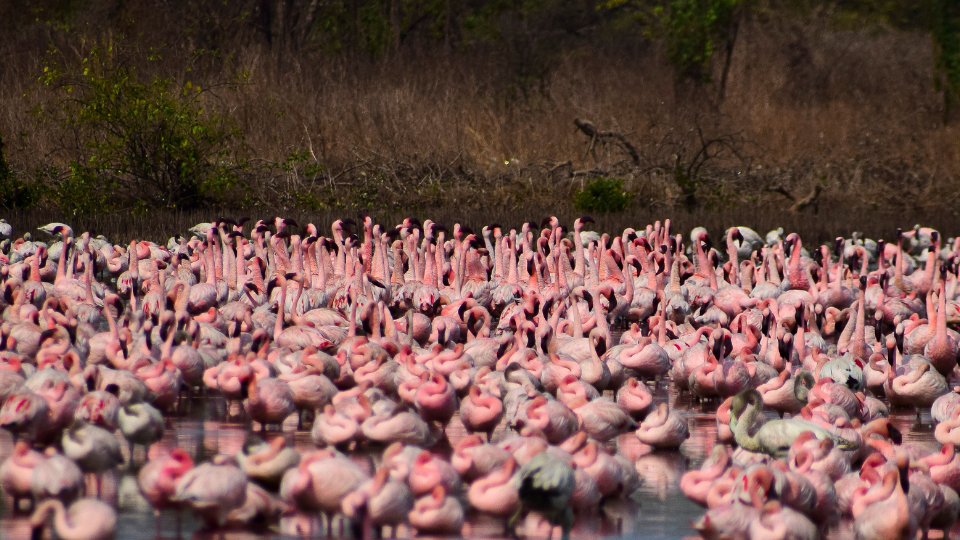
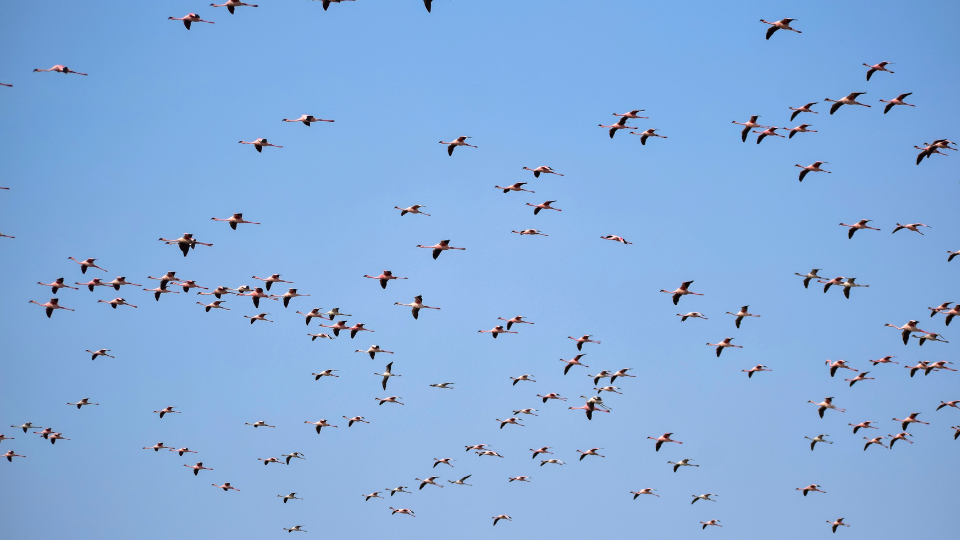
Mumbai’s wetlands support both the Greater Flamingo and the Lesser Flamingo, often seen together in what is collectively called a flamboyance. Their presence transforms the landscape into what can be described as flaminpink a fleeting yet striking expression of biodiversity in motion. However, this visual spectacle represents only the surface of a far more complex ecological system.
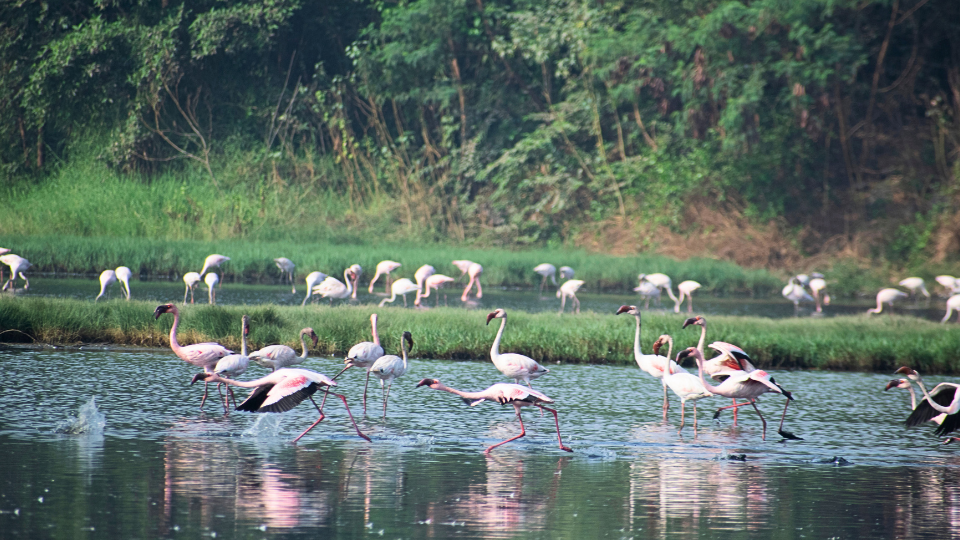
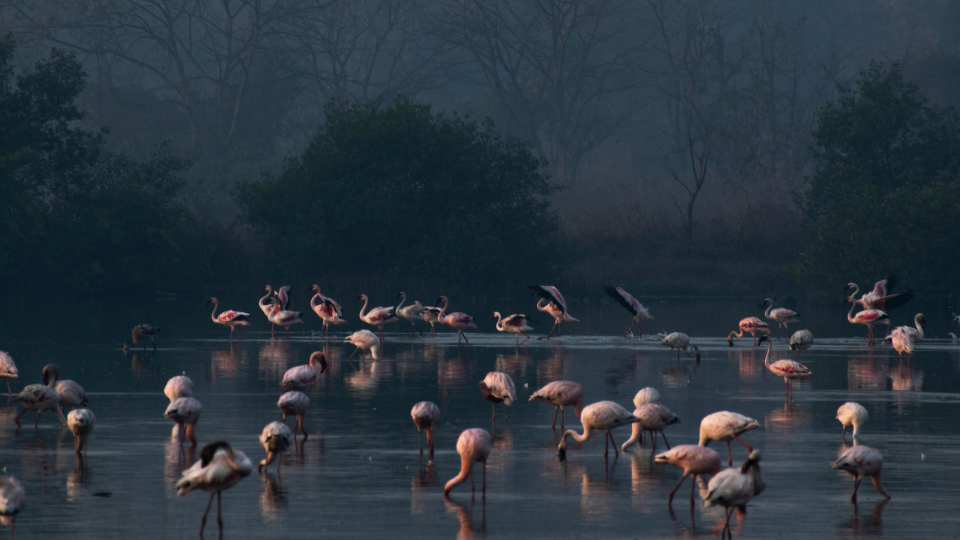
The arrival of flamingos is closely linked to the productivity of these wetlands. Tidal movements bring in nutrients that support the growth of algae, diatoms, and microorganisms, forming the primary food base for these birds. Lesser Flamingos largely depend on these microscopic food sources, while Greater Flamingos feed on a wider range of organisms, including small crustaceans and invertebrates. These conditions make Mumbai’s wetlands highly efficient feeding grounds and critical seasonal habitats.
Beneath this visible phenomenon lies an intricate network of ecological processes. Mudflats support benthic organisms that drive nutrient cycling, while mangroves stabilize the coastline and provide essential ecological support. The continuous rhythm of tides regulates salinity, oxygen levels, and nutrient exchange, sustaining life across multiple trophic levels. In this context, flamingos are not just visitors, but indicators of a functioning and balanced ecosystem.
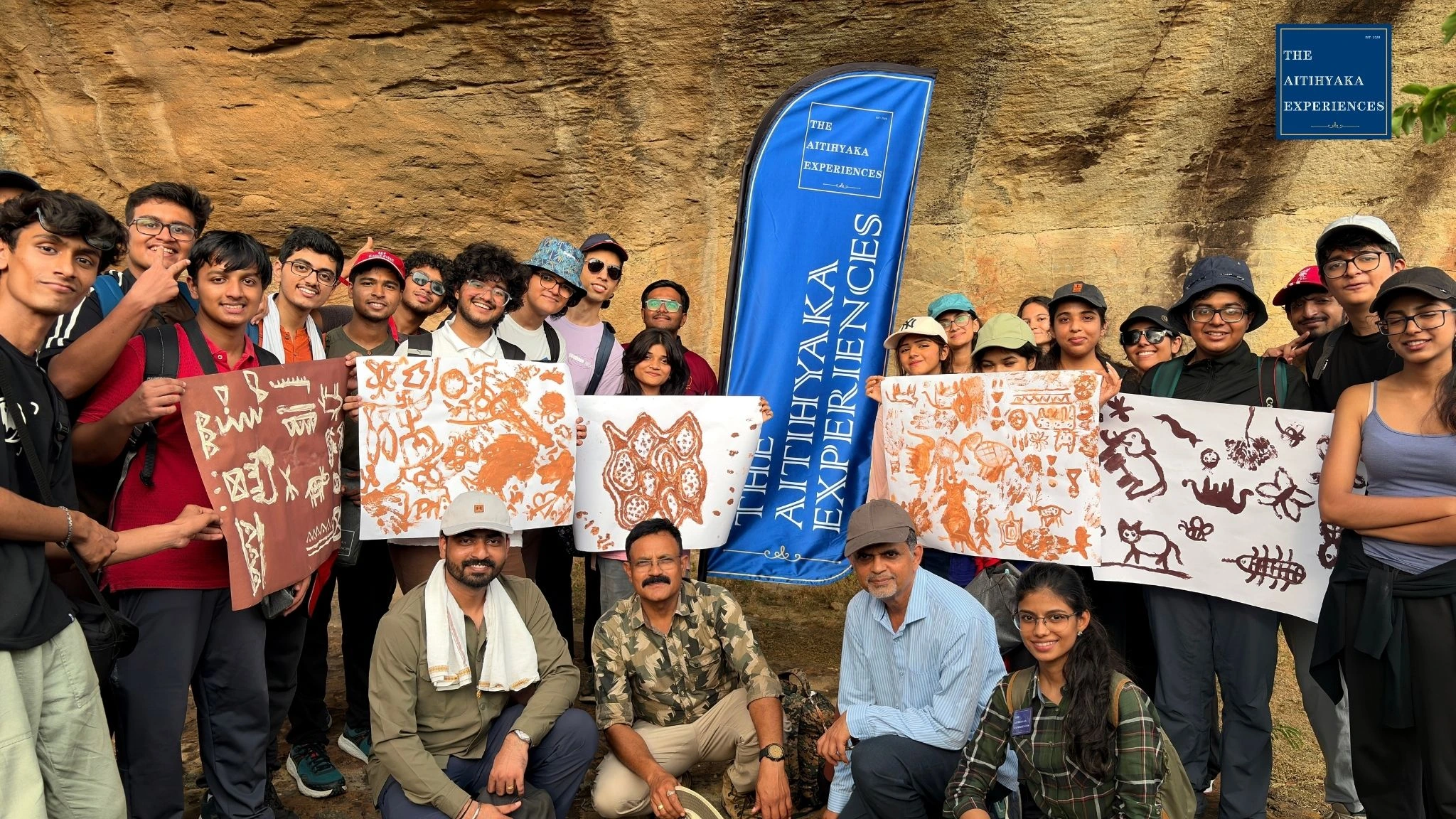
At Aitihyaka Experiences , this phenomenon is interpreted through a scientific and experiential approach. Our flamingo trails are designed around tidal cycles to ensure observation during active feeding periods, minimizing disturbance while allowing for meaningful engagement. We maintain careful distance and follow low-impact practices, prioritizing the well-being of the habitat. Interpretation during these experiences connects observable behaviour to ecological processes explaining feeding strategies, habitat selection, and the role of microorganisms in sustaining flamingo populations.
The objective is to move beyond viewing flamingos as a spectacle and towards understanding the system that supports them. By grounding our work in ecological science and responsible field practices, we aim to foster informed awareness and a deeper connection to these landscapes.
Despite their significance, Mumbai’s wetlands face increasing pressure from urban expansion, pollution, and human disturbance. The Pink Phenomenon is therefore more than a seasonal visual it is a reflection of ecological balance that is both precise and fragile. Protecting these ecosystems ensures the continuity of not only flamingo populations, but the many ecological functions these wetlands perform.
The flamboyance that gathers each year is not just a congregation of birds, but a visible expression of a system working in harmony. The flaminpink hues that briefly define these landscapes are, in essence, indicators of resilience subtle, interconnected, and worth preserving.