Karnala Bird Sanctuary and Fort: A Landscape-Based Engagement
Aitihyaka Experiences conducted a field-based engagement at Karnala, integrating the study of biodiversity systems with the historic fort landscape. The program connected ecological observation with heritage interpretation, enabling a contextual understanding of the site.
Introduction
An immersive trail through Karnala Bird Sanctuary combined birding, history, and trekking, culminating at Karnala Fort, where participants explored the fort’s heritage and the legacy of Chhatrapati Shivaji Maharaj.
The Work
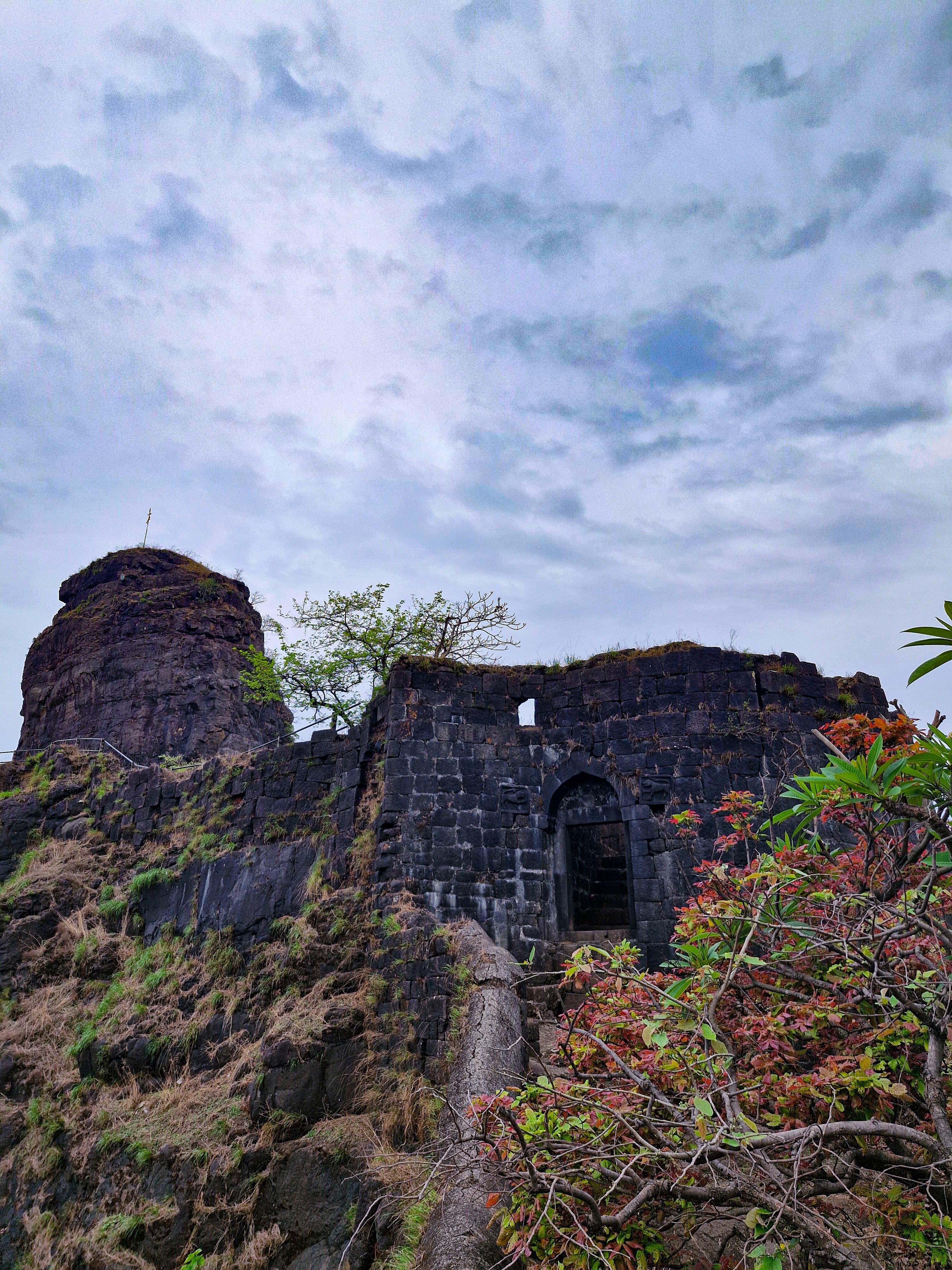
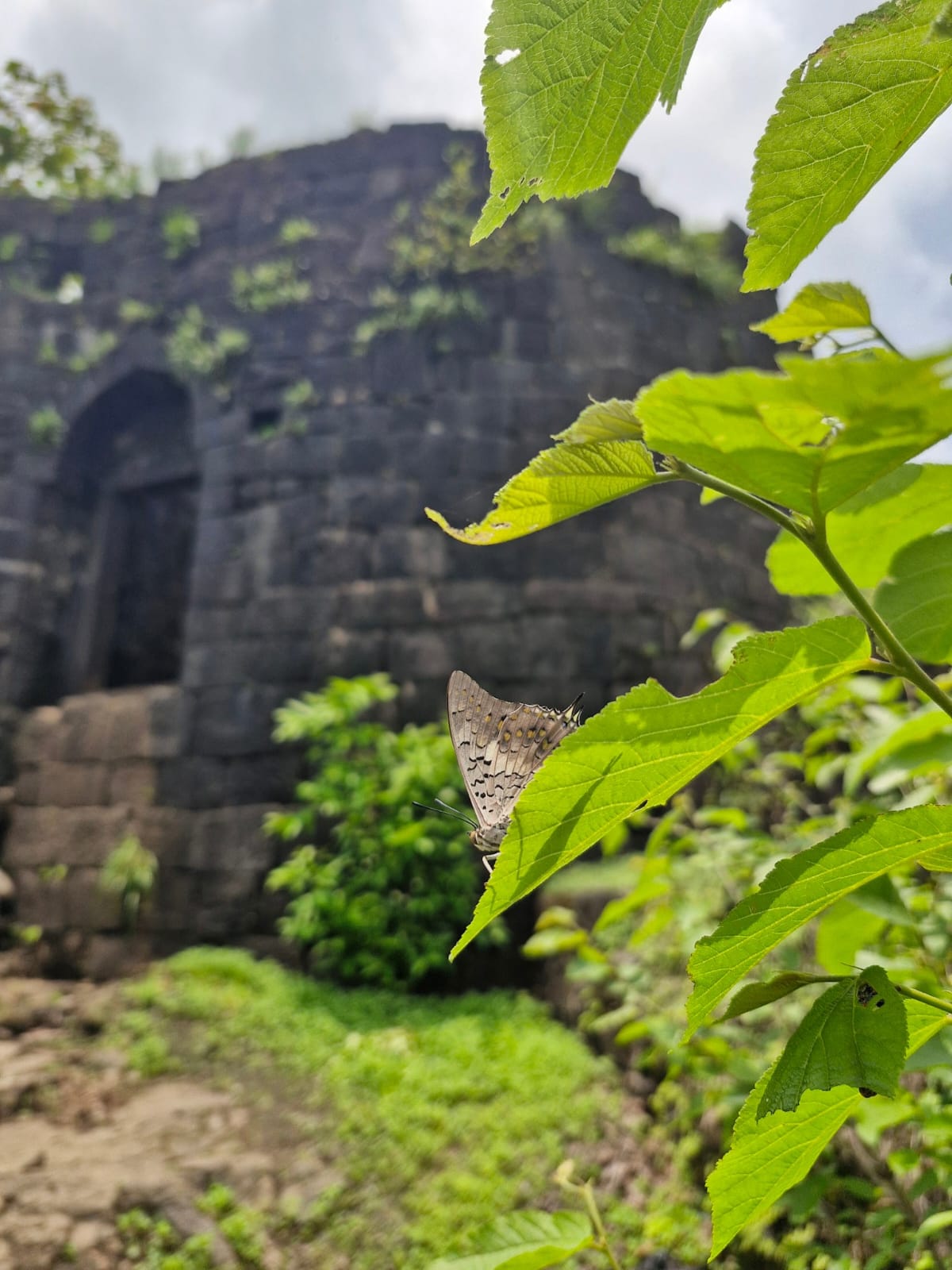
The Karnala Bird and Fort Trek Trail offered participants an enriching journey through nature, history, and shared experiences. Located within the Karnala Bird Sanctuary, the trail leads through dense forest paths rich in biodiversity before ascending to the historic Karnala Fort, which stands prominently above the sanctuary.
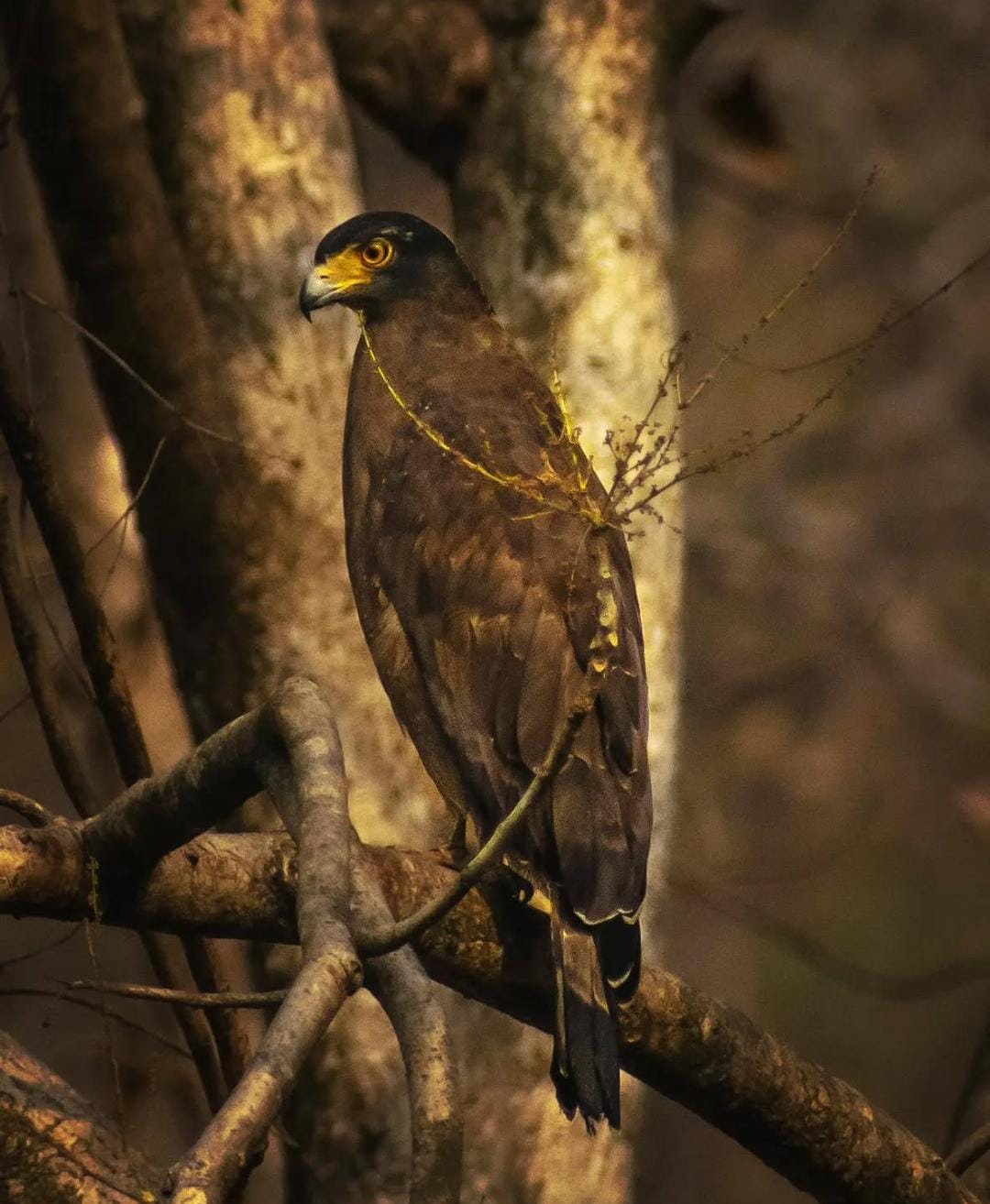
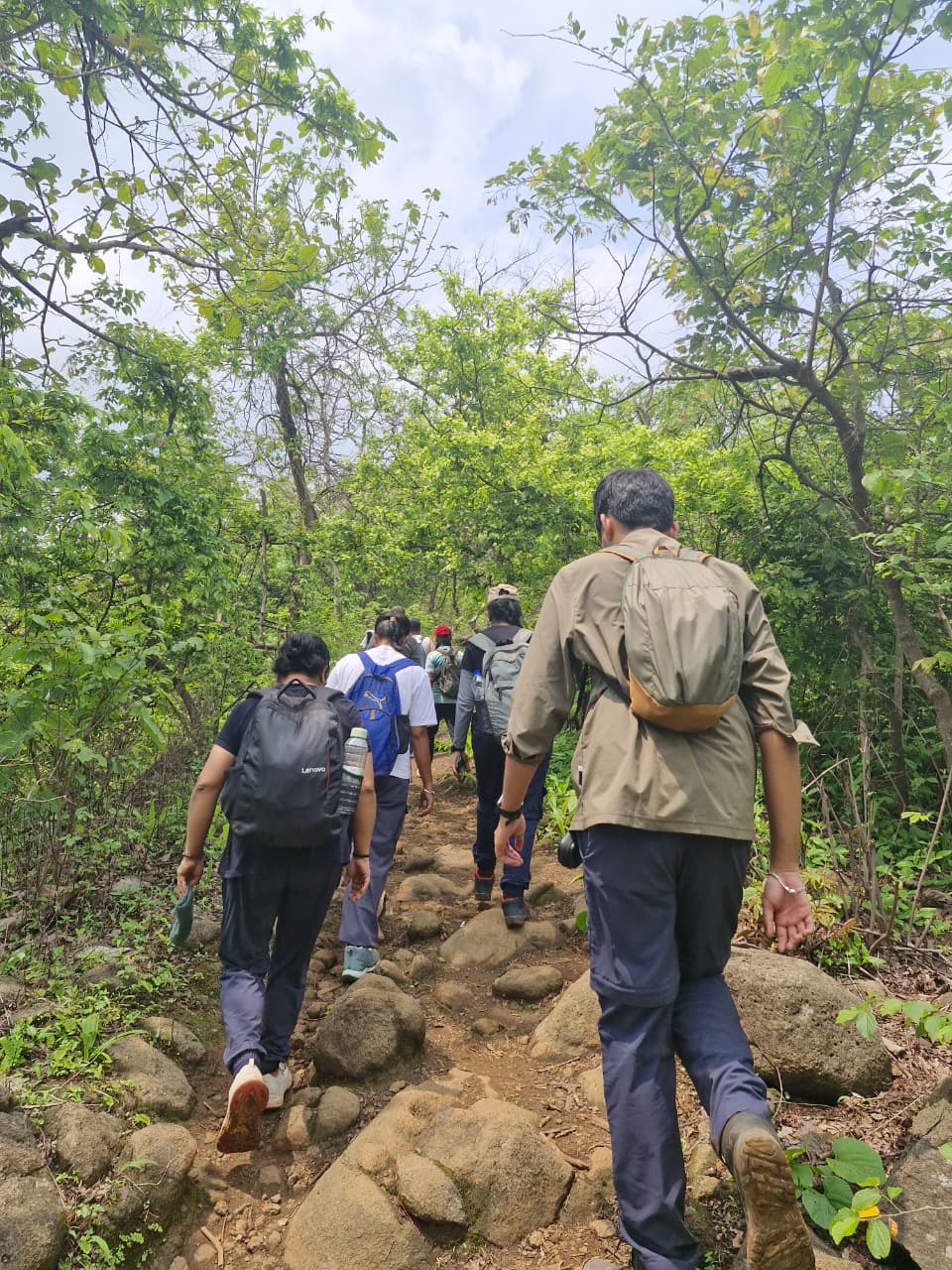
The trail began at the sanctuary entrance, where participants walked through lush forest landscapes characteristic of the foothills of the Western Ghats. The sanctuary is well known among birdwatchers and nature enthusiasts for its remarkable avifaunal diversity, hosting more than 200 species of birds. Along the route, participants were introduced to the ecological importance of the sanctuary and the various birds and forest life that inhabit the region.
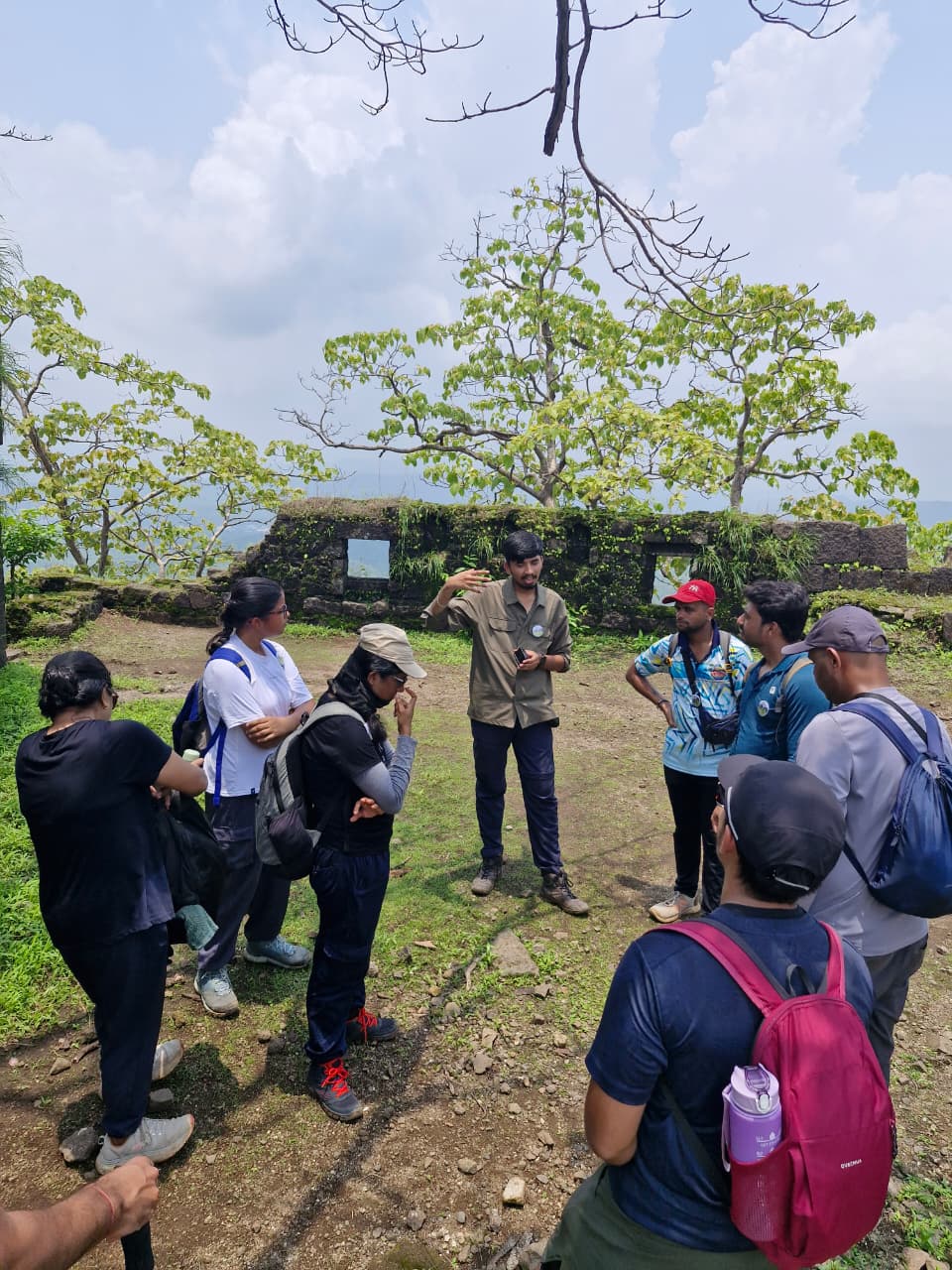
As the trail progressed, the path gradually transitioned into a steeper climb towards the fort. Upon reaching the summit, participants were rewarded with sweeping views of the surrounding forests and landscape. At the top, the group took time to rest and celebrate a participant’s birthday, making the moment even more memorable as it was shared amidst the historic setting and scenic surroundings of the fort.
During the halt at the summit, the trail leaders spoke about the historical significance of Karnala Fort. The fort has a long history and was an important strategic watchpoint controlling trade routes that passed through the region. It later came under the control of the Marathas during the time of Chhatrapati Shivaji Maharaj, highlighting its role in the broader historical landscape of the Konkan region.
To provide participants with a tangible connection to history, the trail leaders also showcased a replica of the Shivaji Maharaj copper Hon, a coin associated with the Maratha period. This demonstration helped participants understand the economic and administrative systems of the time, offering a unique way to engage with history beyond the physical remains of the fort.
The experience at the summit became a moment of learning, reflection, and celebration—where participants could appreciate the combined significance of the site’s natural environment and historical heritage.
The trail concluded with the descent through the sanctuary, leaving participants with a deeper understanding of the landscape, its biodiversity, and its historical importance. Experiences like the Karnala Bird and Fort Trek Trail demonstrate how outdoor trails can become meaningful platforms for learning, exploration, and connecting with both nature and history.