Heritage and Landscape Systems: Lohagad and Bhaja caves
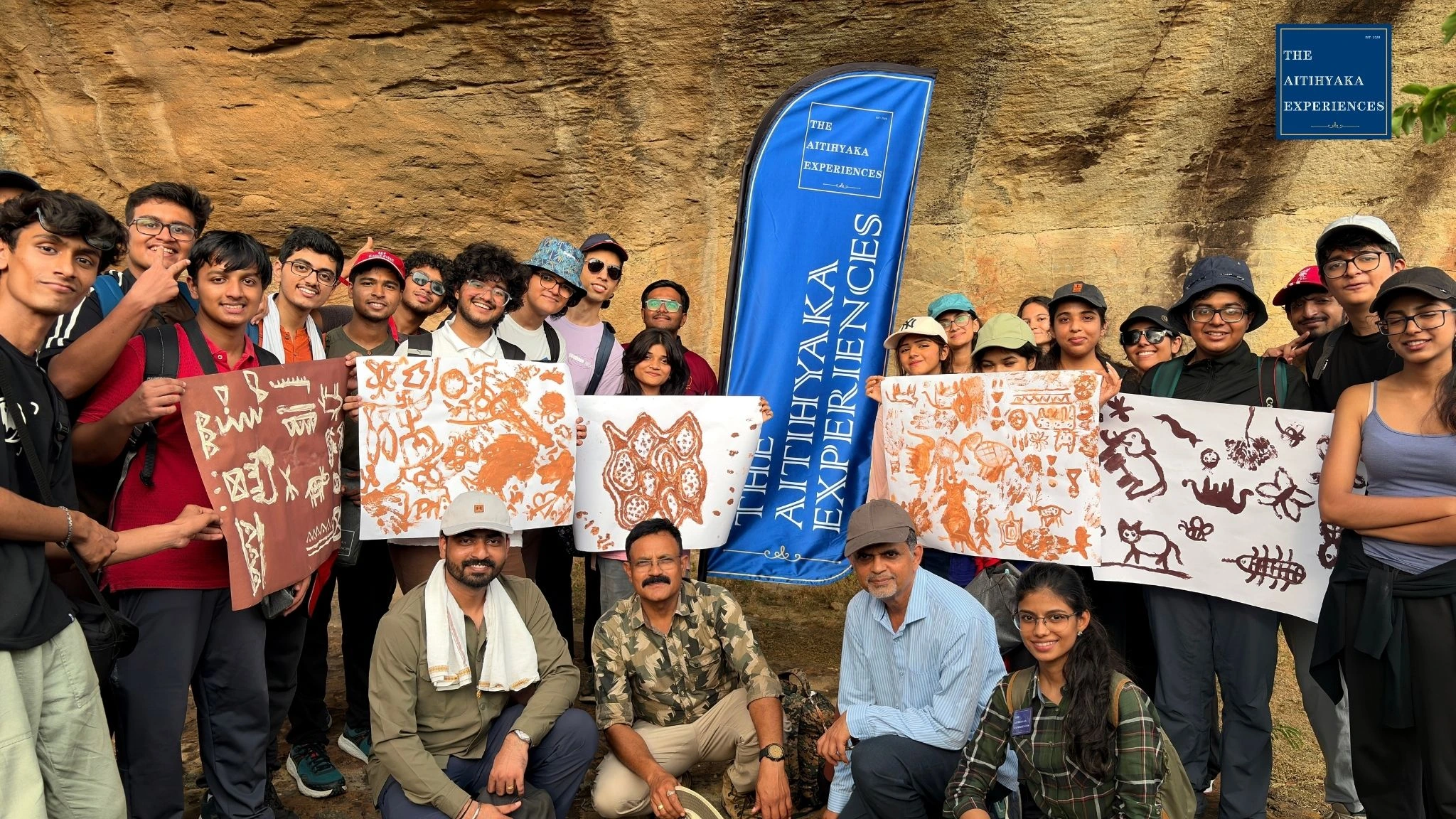
A field-based experiential learning program in the Sahyadri ranges engaged with the historic landscape of Lohagad Fort alongside the early Buddhist rock-cut complexes of Bhaja. The engagement examined the fort within the context of Maratha strategic systems associated with Chhatrapati Shivaji Maharaj, while also studying the architectural and cultural significance of the cave sites in relation to ancient trade networks of the Western Ghats. Through on-site observation and interpretation, the program connected fort architecture, rock-cut traditions, and landscape systems, enabling participants to understand these sites as part of a larger historical and ecological continuum.
Introduction
Heritage and Landscape Systems: Lohagad and Bhaja
The Work
A field-based experiential learning program in the Sahyadri ranges engaged with the historic landscape of Lohagad Fort alongside the early Buddhist rock-cut complexes of Bhaja. The engagement examined the interrelationship between fort systems, trade routes, and monastic networks, situating these sites within a shared cultural and environmental context of the Western Ghats.
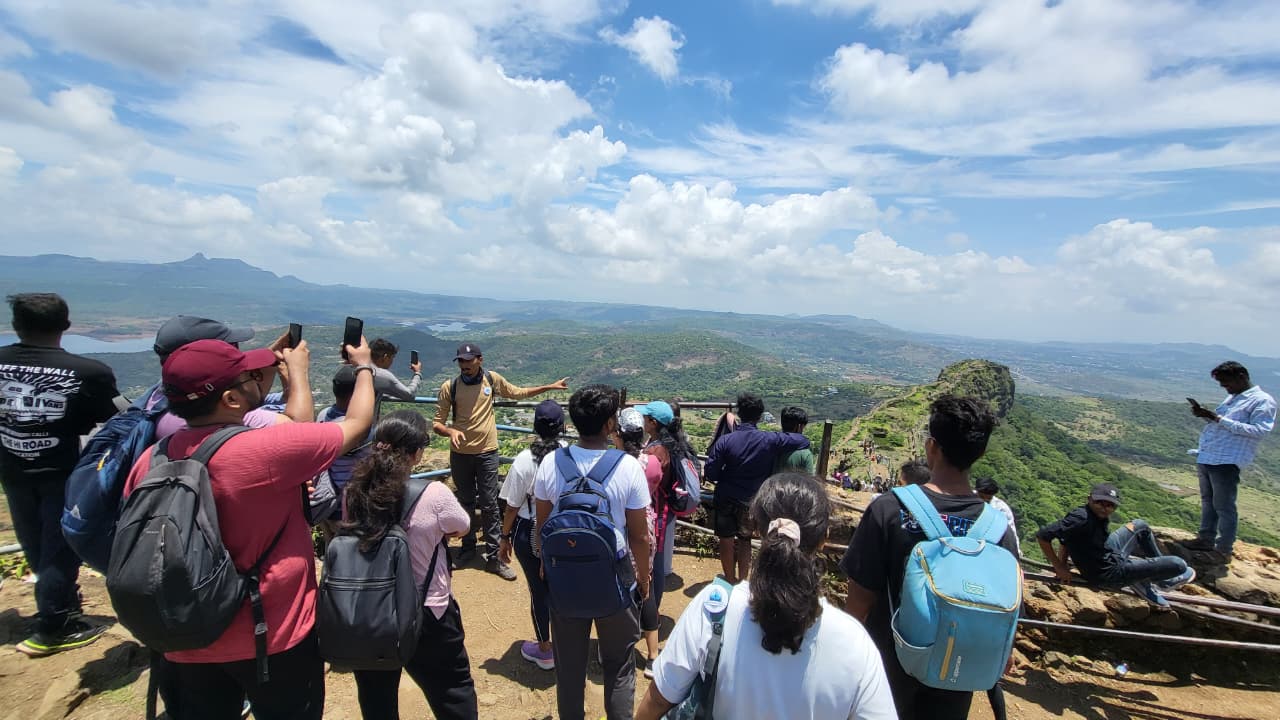
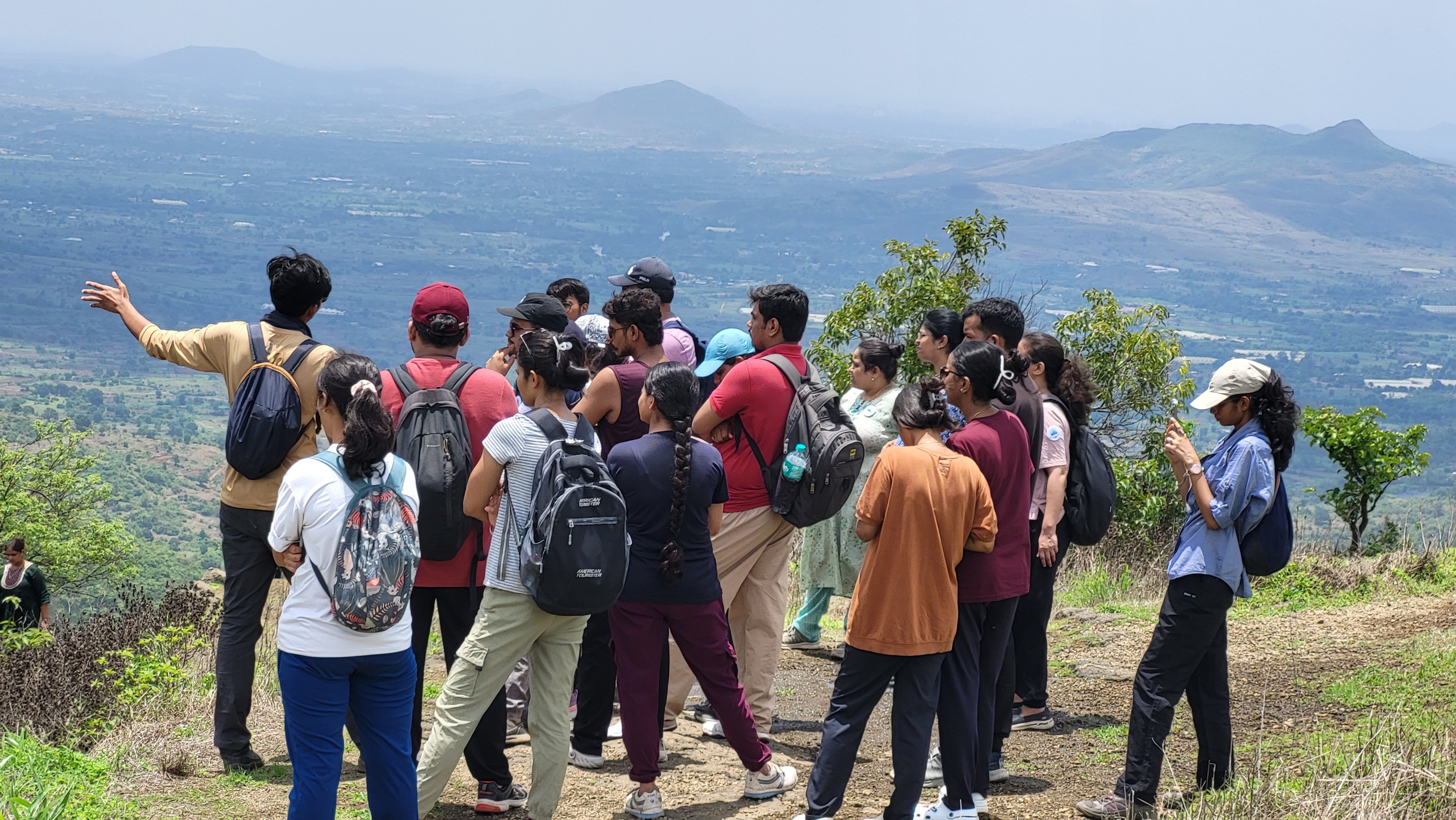
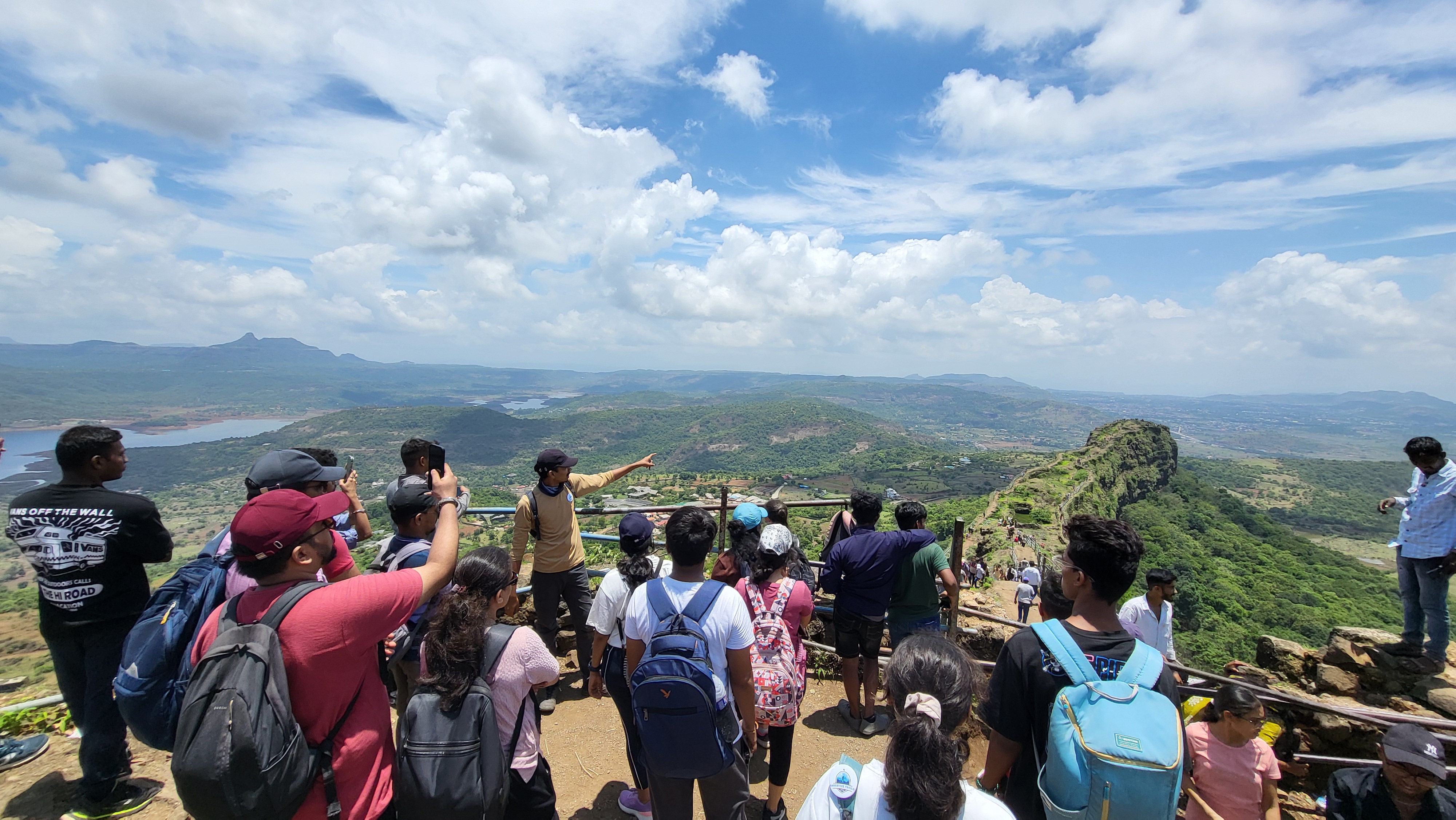
The program began within the landscape of Lohagad Fort, a prominent hill fort positioned along historic routes linking the Deccan plateau to the Konkan coast. Through on-site observation, participants engaged with the fort’s strategic placement, understanding how topography, access routes, and visibility informed its role within Maratha military systems associated with Chhatrapati Shivaji Maharaj. Architectural features such as the Vinchu Kata illustrated the defensive logic embedded within the fort’s design.
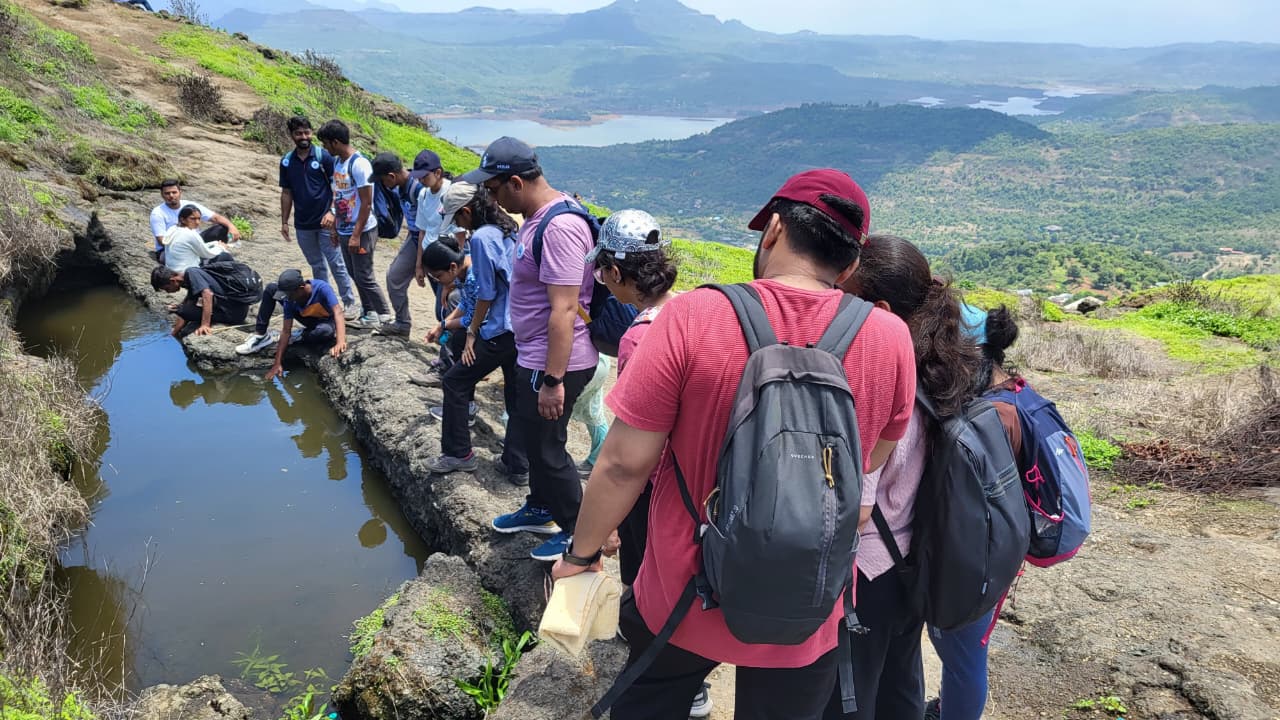
Alongside its historical significance, the engagement also focused on the ecological character of the Sahyadri landscape. Grasslands, basalt formations, and seasonal vegetation were studied in relation to settlement patterns and fort architecture, enabling participants to observe how environmental conditions shaped the use and structure of such sites.
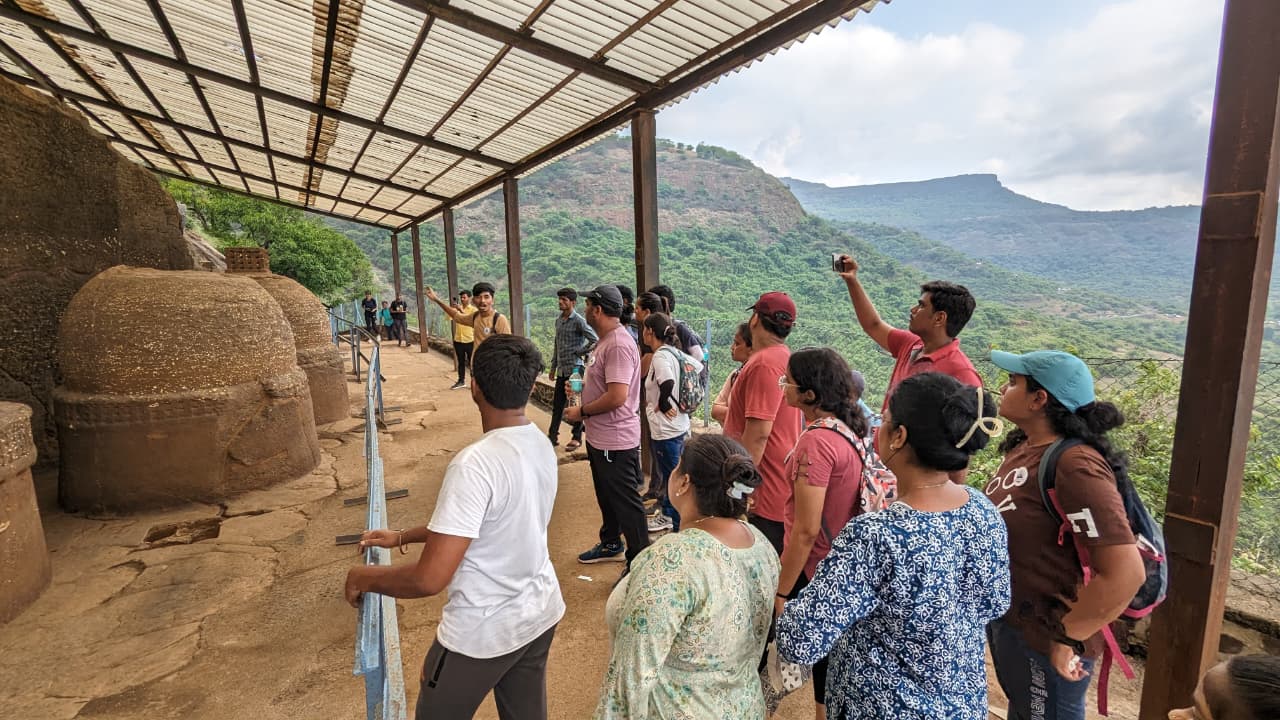
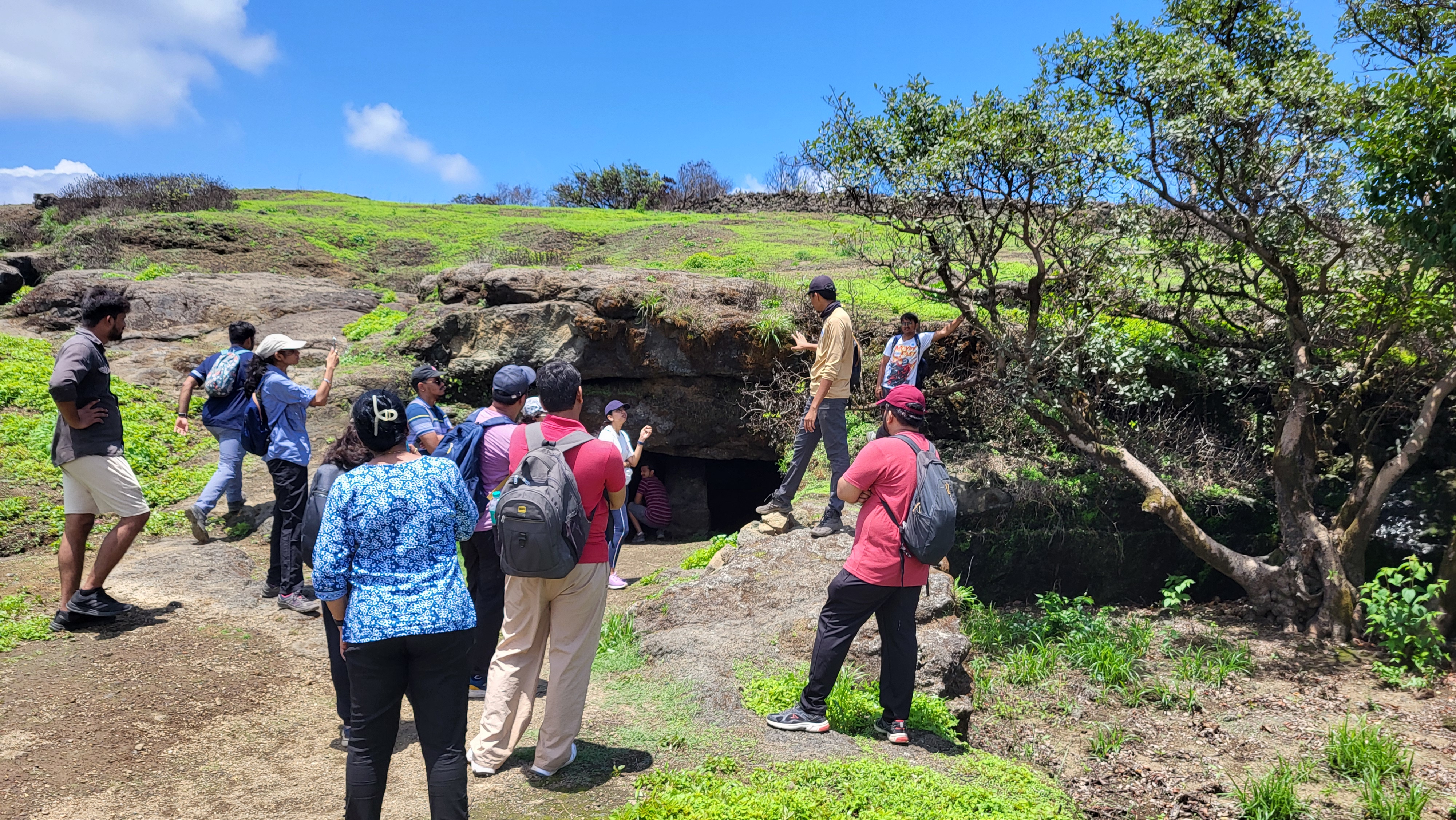
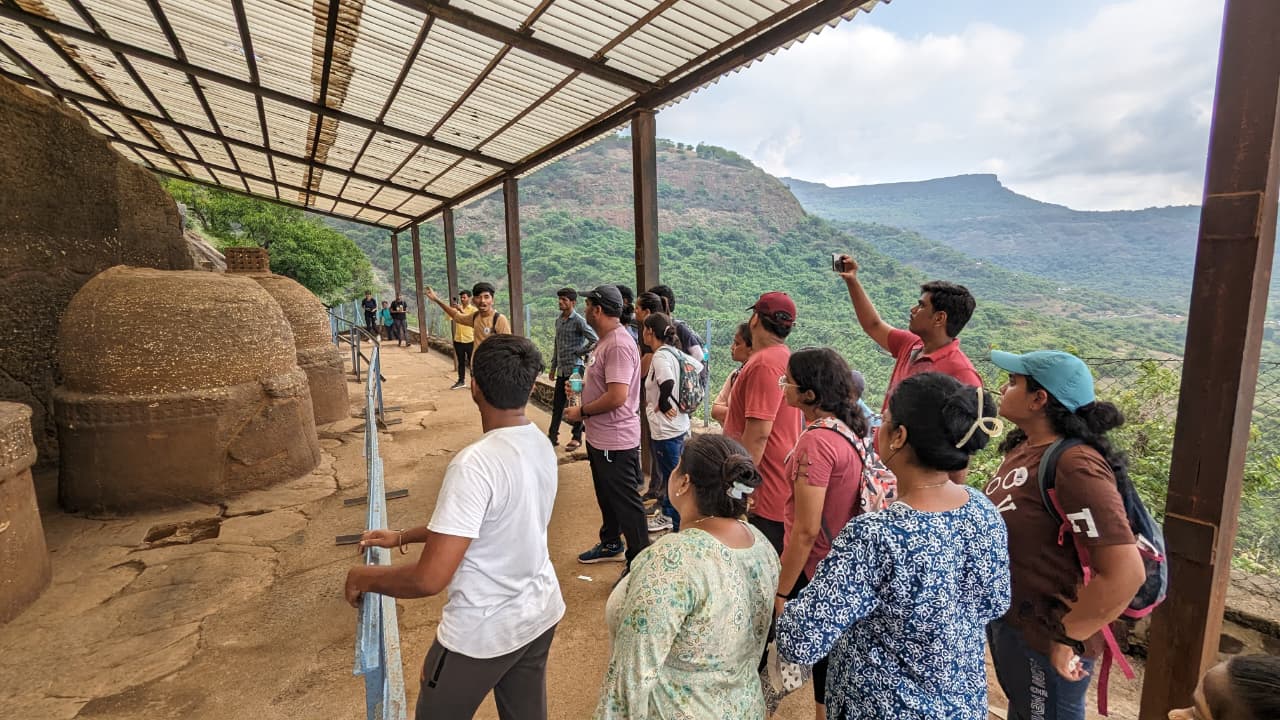
The program extended to the rock-cut complexes of Bhaja, key examples of early Buddhist architecture located along ancient trade networks.
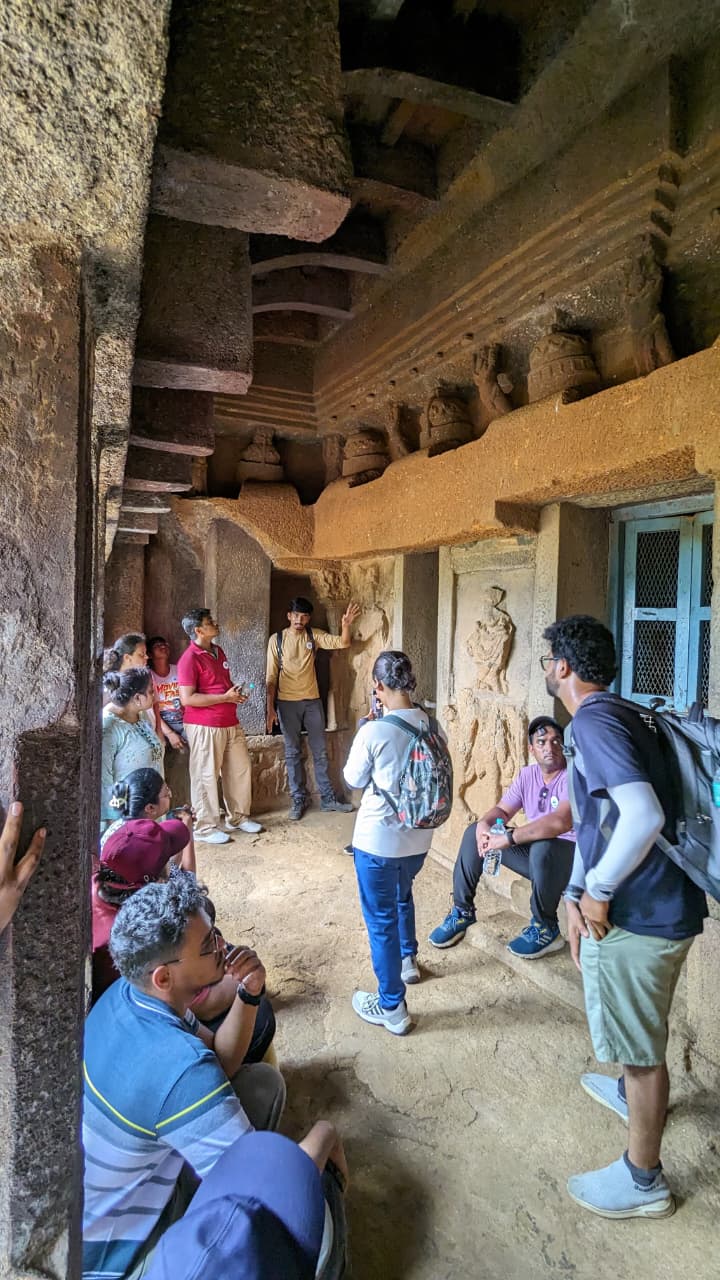
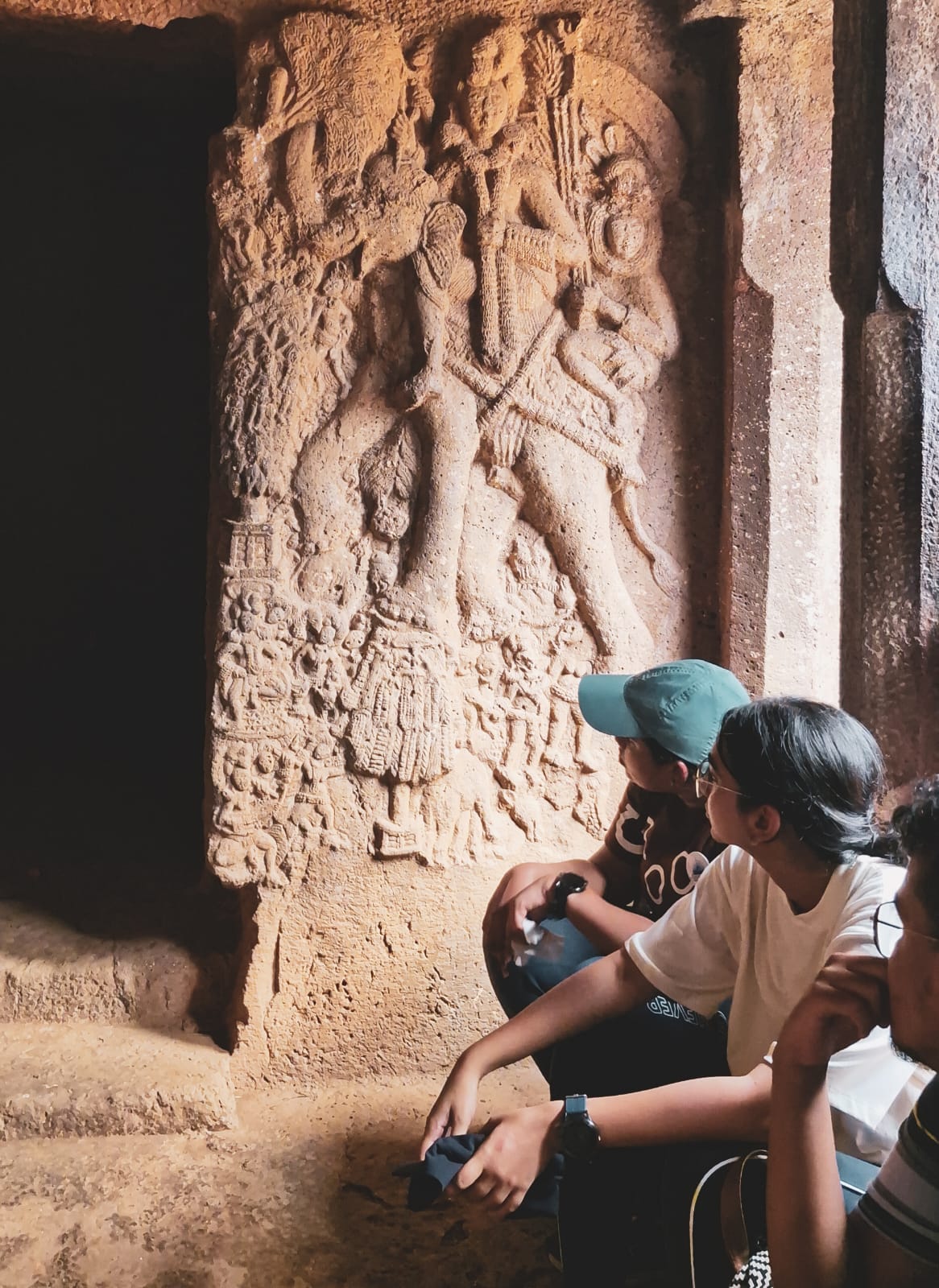
At Bhaja, participants engaged with viharas, prayer halls, and sculptural panels, understanding their spatial organisation and cultural significance within early Buddhist traditions. These sites were approached not as isolated monuments, but as components of a larger network of exchange and religious activity.
Across the engagement, emphasis was placed on reading the landscape as an interconnected system where forts, trade routes, and monastic establishments functioned in relation to one another. The program brought together architectural observation, historical context, and environmental understanding to develop a layered reading of the region.
The engagement enabled participants to move beyond surface-level viewing, fostering a deeper understanding of how history, architecture, and ecology intersect across the Sahyadri landscape, and how these relationships continue to inform the region’s cultural fabric.